If you’ve ever wondered how your car smoothly changes gears or how machines transfer power efficiently, understanding the types of clutches is key. Clutches play a vital role in connecting and disconnecting power between parts, but not all clutches work the same way.
Knowing the different types can help you make smarter choices, whether you’re fixing your vehicle, working on machinery, or just curious about how things work. Keep reading, and you’ll discover the clutch types that power your world—and why each one matters to you.
Mechanical Clutches
Mechanical clutches are devices that connect and disconnect two rotating shafts. They help control power transmission in machines and vehicles. These clutches work by using physical contact to transfer torque. They are reliable and widely used in many applications.
Different types of mechanical clutches serve various purposes. Each type uses a unique design to engage and disengage power. Understanding these types helps in choosing the right clutch for a specific task.
Friction Plate Clutches
Friction plate clutches use friction to transfer power. They have two main parts: a driving plate and a driven plate. When pressed together, friction allows power to pass smoothly. These clutches work well in cars and motorcycles. They provide smooth starts and stops without jolts.
Cone Clutches
Cone clutches use a cone-shaped surface to transfer power. One cone fits inside another. When pressed, the cones create strong friction. This clutch type handles higher torque than flat friction clutches. It is common in heavy machinery and older vehicles.
Dog Clutches
Dog clutches connect shafts using interlocking teeth. They do not rely on friction. Instead, the teeth lock together to transfer power. Dog clutches allow quick engagement and disengagement. They are often used in gearboxes and racing cars.
Hydraulic Clutches
Hydraulic clutches use fluid pressure to transfer power smoothly. They rely on hydraulic fluid to engage and disengage the clutch. This system reduces the effort needed to operate the clutch pedal. Hydraulic clutches provide better control and smoother operation than mechanical clutches.
Wet Clutches
Wet clutches operate inside a fluid bath, usually oil. The oil cools and lubricates the clutch plates. This reduces wear and extends the clutch’s life. Wet clutches are common in motorcycles and some cars. They offer smooth engagement and handle heat well. The fluid also helps reduce noise during operation.
Dry Clutches
Dry clutches work without any fluid around the plates. They rely on direct contact between the clutch parts. Dry clutches are lighter and simpler than wet clutches. They provide a stronger grip but can wear faster. These clutches are often used in racing cars and some manual transmissions. They offer quick response but can generate more heat.
Electromagnetic Clutches
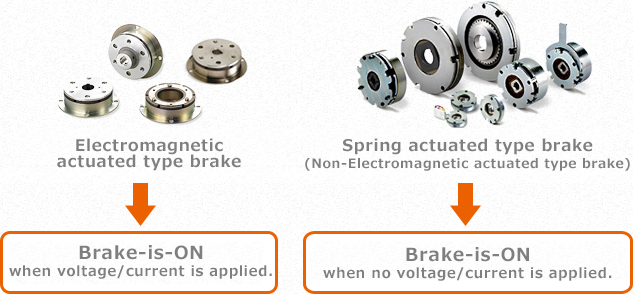
Electromagnetic clutches use magnetic force to connect and disconnect power. They work by applying an electric current to create a magnetic field. This magnetic field pulls the clutch parts together, allowing torque transmission. These clutches provide quick and smooth engagement without mechanical wear. They are common in machines and vehicles that need precise control of power flow.
Single Face Clutches
Single face clutches have one friction surface. When the magnetic field activates, it presses this surface against a rotating disc. This contact transfers power from the driving part to the driven part. These clutches are simple and cost-effective. They work well in light to medium load applications. Single face clutches offer fast response and easy control.
Multiple Disc Clutches
Multiple disc clutches have several friction discs stacked together. This design increases the contact area. It allows the clutch to handle higher torque loads without slipping. Electric current activates all the discs at once using magnetic force. These clutches are ideal for heavy-duty machines. They provide strong, reliable power transfer and reduce wear by spreading pressure across many surfaces.

Credit: www.youtube.com
Centrifugal Clutches
Centrifugal clutches are simple devices used to connect and disconnect power automatically. They work based on the speed of the engine or motor. At low speeds, the clutch stays disengaged, allowing the engine to run without moving the load. As speed increases, the clutch engages smoothly and transfers power.
This type of clutch is popular because it requires no manual control. It helps protect the engine and machine from sudden shocks. The design is compact and durable, making it suitable for many small machines.
Operation Principles
Centrifugal clutches use spinning weights or shoes. These parts move outward as speed rises. At low speed, springs hold the shoes inward, keeping the clutch off. When speed increases, centrifugal force pushes the shoes out. They press against the clutch drum, creating friction. This friction connects the engine to the load, transferring power.
The clutch automatically adjusts to speed changes. It smoothly engages and disengages without jerks. This makes it easy to use and protects the engine from damage.
Common Applications
Centrifugal clutches appear in many small machines and tools. Lawn mowers use them to start the blades only at the right speed. Go-karts rely on them for smooth acceleration. Chainsaws and mini bikes also use these clutches for easy control.
They are found in generators and small pumps. Any machine needing automatic power connection benefits from centrifugal clutches. Their simplicity and reliability make them a top choice.
Fluid Couplings
Fluid couplings are a type of clutch used in many machines and vehicles. They help transfer power smoothly from the engine to the wheels or other parts. This clutch uses a liquid, often oil, to connect the driving part and the driven part. Fluid couplings reduce shock and wear by allowing some slip between these parts. They work well in heavy machines and vehicles that need smooth starts and stops.
Working Mechanism
Fluid couplings have two main parts: the pump and the turbine. The pump is connected to the engine and spins with it. It pushes the fluid inside the coupling. The fluid moves and causes the turbine to spin. The turbine is linked to the machine’s wheels or other parts. This movement transfers power without direct contact. The fluid inside absorbs shocks and vibrations. This makes the power transfer smooth and soft.
Advantages And Disadvantages
Fluid couplings offer smooth power transfer and reduce wear on parts. They protect engines from sudden shocks and help machines start gently. These couplings need little maintenance and last a long time. They also allow some slip, which can protect the machine during overload.
On the downside, fluid couplings can waste some power due to slip. They are less efficient at transferring full power compared to direct clutches. Fluid couplings are also larger and heavier. This makes them less suitable for small or lightweight machines. Their performance depends on the fluid condition, so leaks or contamination can cause problems.
Credit: www.mikipulley.co.jp
Clutch Selection Factors
Choosing the right clutch is important for any vehicle or machine. Several factors affect the best clutch type for your needs. These factors help ensure smooth operation and long life.
Understanding these factors makes it easier to pick a clutch that fits your purpose. Each factor plays a role in how well the clutch performs under different conditions.
Torque Capacity
Torque capacity refers to how much twisting force the clutch can handle. A clutch must match the engine’s power to avoid slipping. Higher torque requires a stronger clutch design. Using a clutch with too low capacity causes damage and poor performance.
Heat Dissipation
Clutches create heat during use. Good heat dissipation helps prevent overheating. Overheated clutches wear out fast and lose grip. Materials and design affect how well heat spreads and escapes. Proper cooling keeps the clutch working longer and better.
Durability And Maintenance
Durability means how long a clutch lasts under normal use. Some clutches need regular checks and part changes. Others require less care but may cost more. Choosing a clutch that fits your maintenance ability saves time and money. Long-lasting clutches reduce downtime and repairs.
Applications By Vehicle Type
Clutches play a vital role in different types of vehicles. They help control the power from the engine to the wheels. The choice of clutch depends on the vehicle type and its specific needs. Each vehicle uses a clutch designed to match its size, power, and use.
Passenger Cars
Passenger cars mostly use single-plate clutches. These clutches are simple and cost-effective. They handle everyday driving and smooth gear changes well. They work best for light to medium engine power. This clutch type helps improve fuel efficiency and driving comfort.
Motorcycles
Motorcycles often use multi-plate clutches. These clutches are compact and fit in small spaces. They manage high engine speeds and quick gear shifts. Multi-plate clutches provide better grip and control. They are ideal for the fast and dynamic nature of motorcycles.
Heavy-duty Vehicles
Heavy-duty vehicles use heavy-duty clutches like multi-plate or air-assisted clutches. These clutches handle high torque and heavy loads. They are built to last under tough conditions. This type ensures reliable power transfer for trucks and buses. They support long-distance travel and heavy cargo transport.

Credit: www.cellinieg.com
Conclusion
Understanding different types of clutches helps you choose the right one. Each clutch suits specific machines and tasks. Some work better for heavy loads, others for smooth control. Knowing their uses saves time and money on repairs. Clutches play a key role in many machines.
Choose wisely to keep your equipment running well. Simple knowledge goes a long way in machine care. Keep learning about parts to stay prepared.