
Have you ever noticed how driving at night feels completely different from daytime driving? The darkness changes everything—your visibility, your focus, even your reactions.
But did you know there are different types of night driving, each with its own challenges and tips to keep you safe? Whether you’re cruising through city streets, navigating winding country roads, or driving in heavy rain or fog after dark, understanding these types can make a huge difference in how confident and secure you feel behind the wheel.
Keep reading, and you’ll discover what you need to know to master every kind of night drive with ease.
Common Night Driving Conditions
Night driving can be very different from daytime driving. The conditions change a lot after dark. Visibility drops. Roads look different. Drivers must stay alert and adjust their habits. Understanding common night driving conditions helps prepare you for safe travel. Different places and weather create unique challenges on the road. Here are some typical situations you may face at night.
Rural Roads
Rural roads often have little or no street lighting. Darkness can be very deep. Curves and hills make it harder to see ahead. Animals may cross unexpectedly. Watch for narrow lanes and loose gravel. Drive slower than usual. Use high beams when no cars are near. Stay focused on the road edges.
Urban Streets
Urban streets have more lights but also more distractions. Signs, traffic signals, and pedestrians are everywhere. Headlights from other cars can cause glare. Look out for cyclists and people crossing. Traffic can stop suddenly. Keep your speed steady and stay alert. Watch for parked cars and sudden openings.
Highways And Freeways
Highways and freeways allow faster speeds but need more caution at night. Light may come only from your car and others. Watch for fast-moving vehicles and sudden lane changes. Roadworks or debris may be harder to see. Keep a safe distance from other cars. Use your mirrors often to stay aware.
Fog And Rain Scenarios
Fog and rain reduce visibility and traction. Headlights can reflect off fog, creating glare. Use low beams in fog to see better. Slow down in rain to avoid slipping. Brake gently and keep distance from cars ahead. Windshield wipers and defoggers help keep view clear. Drive carefully and stay calm.

Credit: www.youtube.com
Challenges Faced At Night
Driving at night brings unique challenges. Darkness reduces what drivers can see. These challenges increase the risk of accidents. Awareness and caution are key to safe night driving.
Reduced Visibility
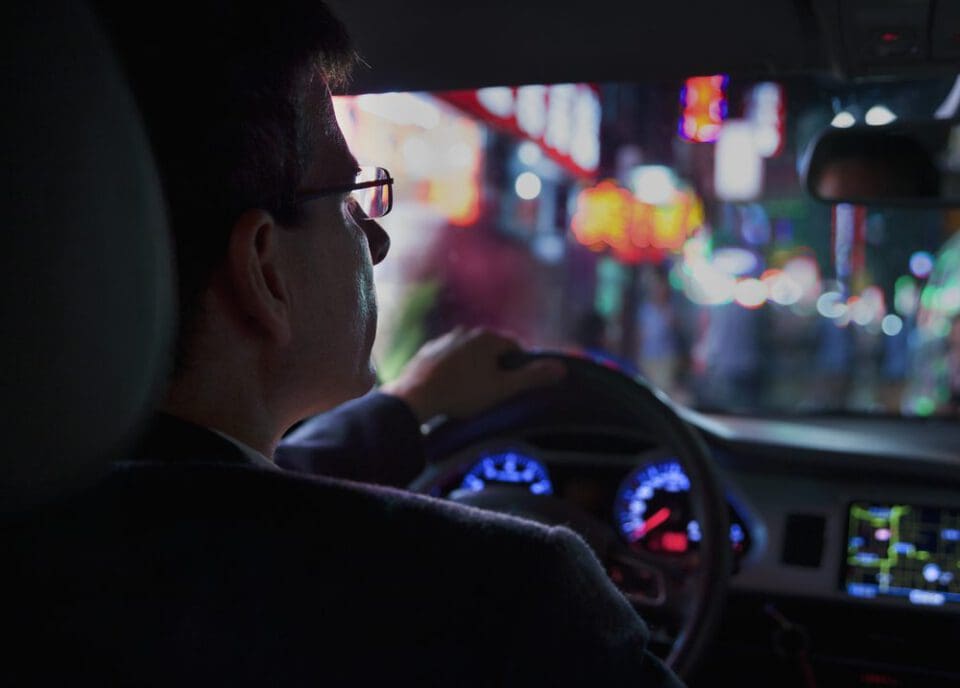
Night driving limits the distance drivers can see. Headlights only light a small area ahead. Shadows hide road signs and obstacles. This makes judging speed and distance harder. Drivers must slow down and stay alert.
Glare From Oncoming Vehicles
Bright lights from other cars can blind drivers. Glare causes temporary loss of vision. It can confuse and distract drivers. Using the right mirrors and looking away helps. Taking breaks from glare is important.
Fatigue And Drowsiness
Night driving often happens when people feel tired. Fatigue slows reaction time and focus. Drowsy driving is very dangerous. Taking breaks and staying refreshed reduces risks. Drinking water and fresh air help stay awake.
Wildlife And Pedestrian Risks
Animals often cross roads at night. They are hard to see until close. Pedestrians may also be less visible. Drivers should watch for sudden movements. Slowing down in rural and dark areas saves lives.
Essential Night Driving Tips
Driving at night requires extra care. Darkness reduces visibility and reaction time. Following some simple tips can keep you safe on the road. These tips help you see better and react faster to any hazards.
Use Of Proper Lighting
Headlights are vital for night driving. Always turn them on as soon as it gets dark. Use low beams in city areas with streetlights. Switch to high beams on open roads with no traffic. High beams help spot animals and obstacles early. Remember to dim your lights when another car approaches. This avoids blinding the other driver.
Adjusting Speed And Following Distance
Drive slower than you do in daylight. Slower speed gives more time to react. Increase the distance between your car and the one ahead. This space helps avoid collisions if the car in front stops suddenly. Night roads can have hidden dangers like potholes or animals. Extra distance and slower speed give you a safety margin.
Staying Alert And Avoiding Distractions
Night driving can make you feel tired quickly. Stay alert by taking breaks every hour on long trips. Avoid using your phone or eating while driving. Keep your focus on the road and surroundings. Watch for pedestrians and cyclists who are harder to see at night. Alertness reduces the risk of accidents.
Regular Vehicle Maintenance
Check your car before night trips. Clean headlights and taillights improve visibility. Ensure brakes and tires are in good condition. Fix any broken lights immediately. A well-maintained car performs better in dark conditions. This prevents unexpected problems on the road.
Technology Aids For Night Driving
Night driving challenges many drivers due to low visibility and fatigue. Technology helps make night driving safer and easier. These tools improve vision and alertness on dark roads. They reduce risks and increase driver confidence. Below are key technology aids that support night driving.
Adaptive Headlights
Adaptive headlights change direction with the steering wheel. They light up curves and corners better. This helps drivers see road edges and obstacles early. These headlights adjust brightness based on surrounding light. They also reduce glare for other drivers. Adaptive headlights improve night vision and safety.
Night Vision Systems
Night vision systems use infrared cameras to detect objects. They show images on the dashboard or windshield display. This helps spot pedestrians, animals, or vehicles in the dark. These systems work beyond the reach of headlights. Night vision improves reaction time on poorly lit roads.
Dashboard And Instrument Lighting
Dashboard lighting adjusts brightness to avoid glare. Clear and bright displays help drivers read gauges easily. Soft lighting reduces eye strain during night drives. Some cars use colors that are easy on the eyes. Good dashboard lighting supports focus and comfort at night.
Driver Assistance Features
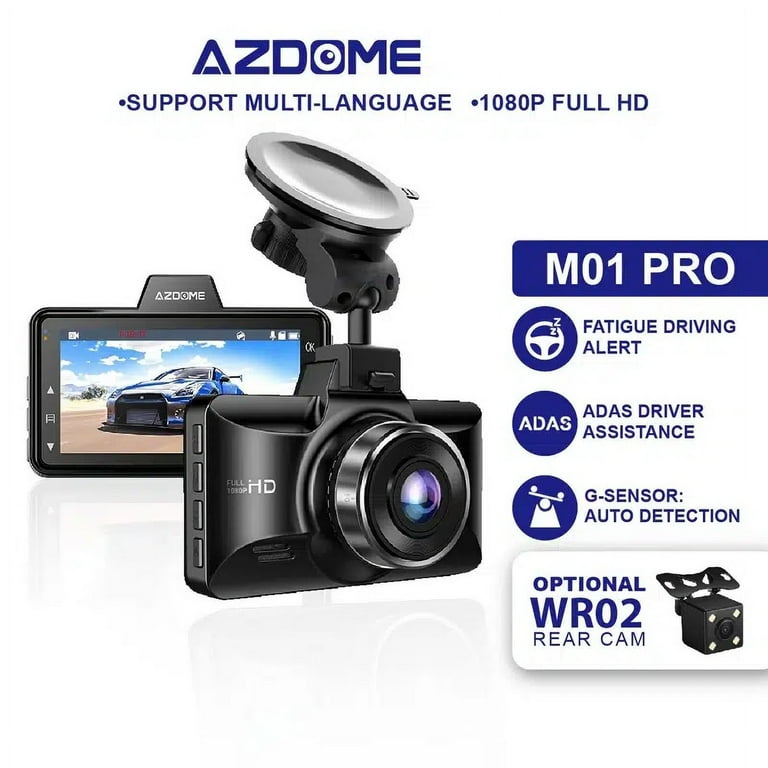
Driver assistance features include lane departure warnings and automatic braking. They alert drivers about road hazards and drifting lanes. Some systems detect fatigue and suggest breaks. These features help maintain attention and avoid accidents. Assistance technology adds an extra layer of protection at night.
Safety Gear And Accessories
Night driving demands extra care and the right tools to stay safe. Safety gear and accessories help drivers and pedestrians be seen and prepared. These items reduce risks and improve visibility on dark roads. They make night travel safer for everyone.
Reflective Clothing For Pedestrians
Reflective clothing helps pedestrians stand out in low light. Bright strips reflect car headlights, making walkers visible from far away. Wearing reflective gear cuts the chance of accidents. It is a simple way to stay safe on night walks.
Emergency Kits
Emergency kits provide essential tools during night driving troubles. Kits usually include flashlights, batteries, and first aid supplies. They prepare drivers for breakdowns or minor injuries. Having a kit in the car brings peace of mind.
High-visibility Road Signs
High-visibility road signs guide drivers clearly at night. These signs use bright colors and reflective materials. They show important information like speed limits and hazards. Well-lit signs help prevent confusion and crashes on the road.
Credit: www.walmart.com
Credit: www.nvisioncenters.com
Conclusion
Night driving can be different depending on the situation. Some types need extra care, like rural roads or city streets. Using the right lights helps you see better and stay safe. Always stay alert and watch for other drivers or animals.
Driving slow and steady makes a big difference at night. Understanding these types helps you prepare well for any night drive. Safe driving habits keep you and others protected after dark. Remember, good choices make night driving easier and safer.