
Have you ever reached for your windshield wiper fluid only to wonder if it’s still good? You might not realize it, but windshield wiper fluid can lose its effectiveness over time—and using old or bad fluid could leave your windshield dirty or even damage your car’s system.
So, can windshield wiper fluid actually go bad? Understanding this can save you from frustrating streaks, clogged nozzles, or worse, poor visibility when you need it most. Keep reading to discover the signs of bad fluid, what affects its lifespan, and simple steps you can take to keep your windshield clear and safe all year round.
Shelf Life Of Windshield Fluid
Understanding the shelf life of windshield wiper fluid helps maintain clear visibility on the road. The fluid’s effectiveness depends on how long it has been stored and whether the container is opened or sealed. Proper storage extends its use, ensuring your windshield stays clean and streak-free.
Unopened Fluid Longevity
Unopened windshield wiper fluid can last for several years. Manufacturers usually add preservatives to keep it stable. The sealed container protects the fluid from air and contaminants. Store it in a cool, dry place away from sunlight to preserve quality. The fluid remains effective until the container is opened.
Opened Fluid Durability
Once opened, the fluid’s shelf life shortens significantly. Exposure to air can cause evaporation and contamination. Dirt and bacteria may enter the bottle, reducing its cleaning power. Store the opened container tightly sealed to slow degradation. Use the fluid within one year for best results.
Signs Of Deterioration
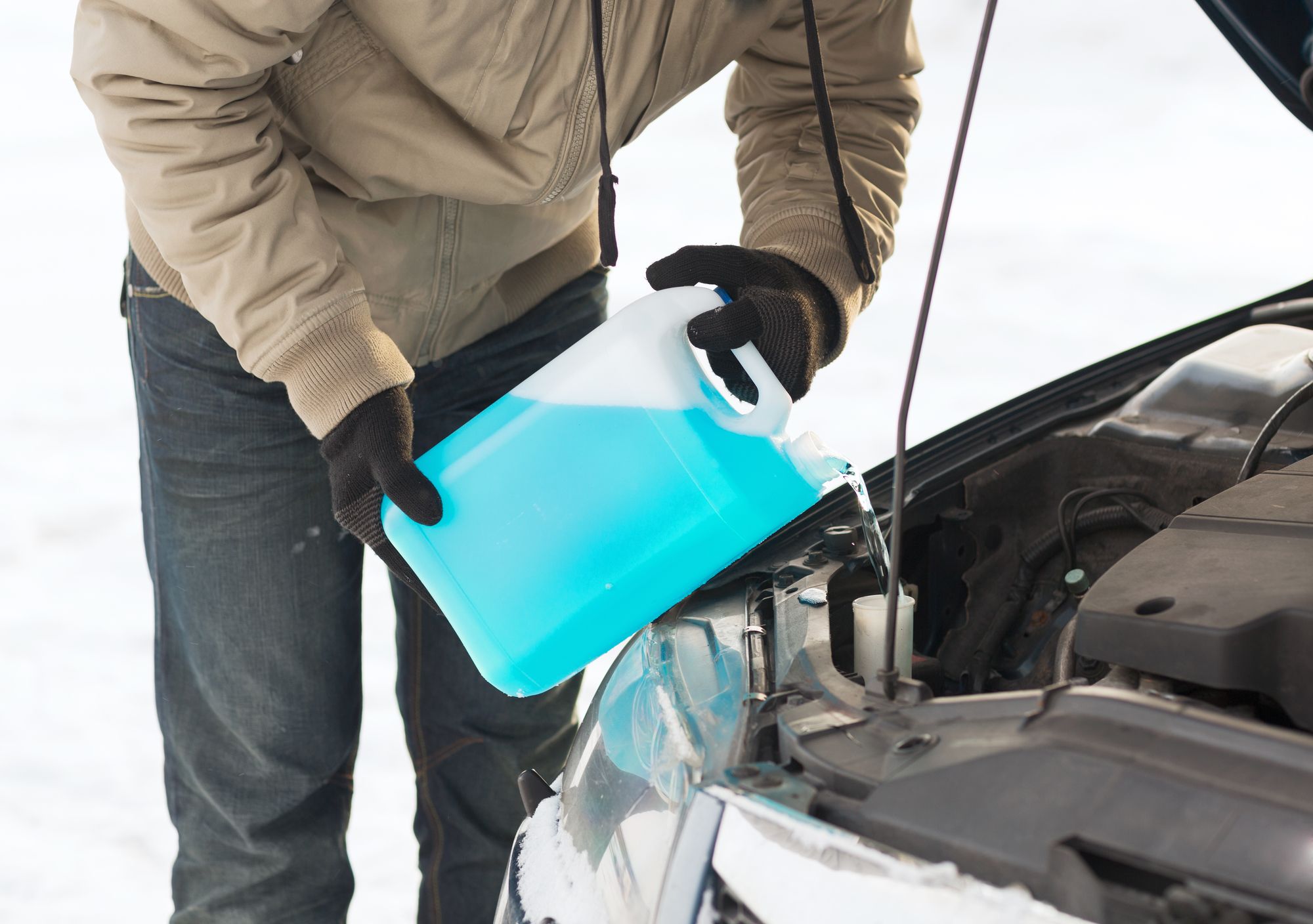
Windshield wiper fluid can lose its effectiveness over time. Recognizing signs of deterioration helps maintain clear visibility while driving. Poor fluid quality can affect cleaning performance and even damage your vehicle’s system. Here are common signs that indicate your windshield wiper fluid may have gone bad.
Freezing Issues
Old or diluted fluid may freeze in cold weather. This happens when antifreeze components break down or mix with water. Frozen fluid blocks spray nozzles and prevents cleaning. If your fluid freezes easily, it may be time to replace it.
Reduced Cleaning Power
The cleaning agents in the fluid lose strength over time. This results in streaks and smudges on the windshield. Dirt, bugs, and grime won’t come off easily. Reduced cleaning power makes driving dangerous in bad weather.
Clogging And Residue
Bacteria, mold, and mineral deposits can build up in old fluid. This buildup clogs the pump, tubes, and spray nozzles. You may notice weak or no spray at all. Clogging also causes residue to form on the windshield.
Unpleasant Odors
A bad smell from the fluid signals contamination. Bacteria growth or chemical breakdown can cause foul odors. If your fluid smells rancid or sour, it should be discarded. Using smelly fluid can also harm your car’s system.
Factors Impacting Fluid Quality
Windshield wiper fluid quality depends on several key factors. These affect how long the fluid stays effective and safe to use. Understanding these can help keep your windshield clean and your wiper system working well. Poor fluid quality can cause clogs, reduce cleaning power, and even damage your vehicle.
Storage Environment
Where you store the fluid matters a lot. Exposure to sunlight can break down chemicals in the fluid. Humid or damp places can lead to contamination. Keeping the fluid in a cool, dry spot preserves its quality. Avoid leaving the bottle open, as air can cause evaporation and contamination.
Water Dilution Effects
Adding water to windshield fluid can change its strength and protection. Tap water contains minerals that may cause buildup and clogging. Diluted fluid also freezes more easily in cold weather. Using pure water or premixed fluid helps keep the solution effective. Always check the mix ratio on the label before adding water.
Temperature Extremes
Extreme heat speeds up chemical breakdown in the fluid. High temperatures can reduce cleaning power and cause evaporation. Cold weather risks freezing the fluid, especially if it is diluted. Freezing can block the pump and nozzles, stopping fluid flow. Use fluid with the right antifreeze level for your climate.
Using Expired Fluid
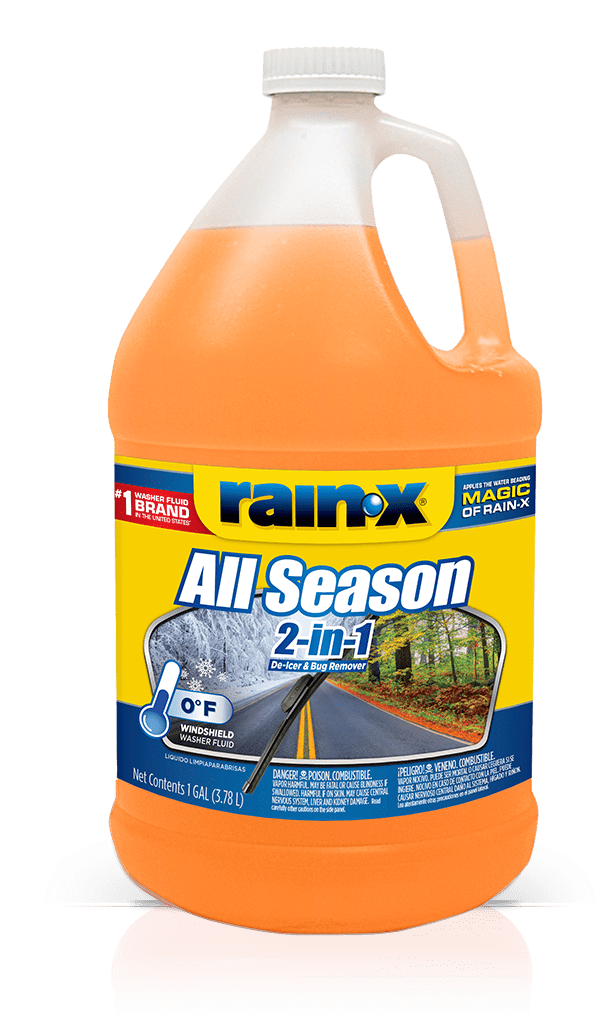
Using expired windshield wiper fluid can seem like a small matter. Yet, it affects your car’s safety and cleaning power. Old fluid loses its ability to clean well. It may also harm your vehicle’s windshield system. Understanding the risks helps you decide when to replace it.
Safety Considerations
Expired fluid may freeze in cold weather. This can block the spray nozzles or damage the pump. Poor fluid can leave streaks on your windshield. These streaks reduce visibility and increase driving risk. Contaminants in old fluid might corrode the washer system parts. Using fresh fluid keeps your windshield clear and safe.
Performance Concerns
Over time, the cleaning agents in the fluid break down. This reduces the ability to remove dirt, bugs, and grime. Expired fluid may clog the spray system with deposits or mold. This causes uneven or no spray. Using fresh fluid ensures strong cleaning power and smooth spray action. It helps maintain clear vision and a clean windshield.
Maintenance Tips
Proper maintenance of windshield wiper fluid ensures clear vision and safe driving. Regular checks and timely replacement keep the fluid effective. Avoiding contamination helps maintain its quality and performance.
Checking Fluid Condition
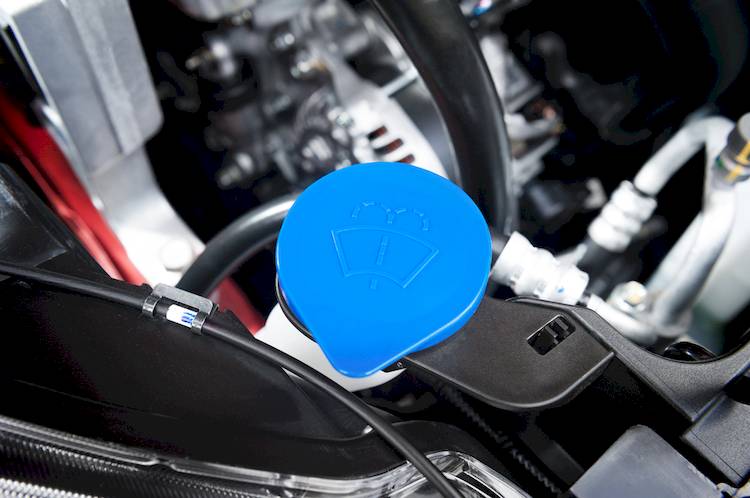
Open the reservoir and look at the fluid. Clear fluid is ideal; cloudy or sludgy fluid shows contamination. Smell the fluid for any foul odor, which means bacteria may be present. Inspect before every season change to catch problems early.
Replacing Old Fluid
Empty the reservoir if the fluid looks dirty or smells bad. Refill with fresh windshield wiper fluid suitable for your climate. Use fluid with antifreeze properties in cold weather. Replace fluid at least once a year to maintain cleaning power.
Preventing Contamination
Keep the reservoir cap tightly closed to stop dirt and debris from entering. Avoid mixing different brands or types of fluid to prevent chemical reactions. Do not add plain water, which can introduce minerals and reduce effectiveness. Store spare fluid in a cool, dark place to keep it fresh longer.
Common Issues And Solutions
Windshield wiper fluid can face several common issues that affect its performance. These problems can make your windshield dirty or reduce visibility. Identifying these issues helps keep your wiper fluid working well. Simple solutions can fix most problems quickly.
Fluid Not Spraying
When the fluid does not spray, it might be empty or low in the reservoir. Check the fluid level first. Sometimes, the pump motor fails or the fuse blows, stopping the fluid from spraying. Test the pump by listening for sounds when you activate the spray. Replace the fuse or pump if needed. Also, ensure the fluid lines are not kinked or damaged, which can block flow.
Freezing Prevention
Windshield wiper fluid can freeze in cold weather if it lacks antifreeze components. Use a fluid with alcohol or antifreeze agents during winter. Avoid diluting with plain water, which lowers freezing protection. Store the fluid in a cool, dry place but avoid freezing temperatures. If fluid freezes, the spray system can clog or get damaged. Use winter-grade fluid to prevent freezing problems.
Pump And Nozzle Clogs
Clogs happen from dirt, debris, or old fluid breakdown inside the pump and nozzles. This stops fluid from spraying evenly or at all. Clean nozzles with a pin or needle to remove blockages. Flush the system with clean water or new fluid to clear buildup. Regularly replacing old fluid helps prevent clogs. Using quality fluid reduces the chance of dirt and mold growth inside the system.
Conclusion
Windshield wiper fluid can lose its effectiveness over time. Keep an eye on its smell, color, and consistency. Cloudy or smelly fluid means it’s time to replace it. Store your fluid in a cool, dry place to help it last longer.
Using fresh fluid ensures clear visibility while driving. Don’t risk safety with old or contaminated fluid. Regularly check and refill your windshield wiper fluid for best results. Clear windows, safer drives. Simple steps make a big difference.