
The Ford F150 is one of the most popular trucks in the world. Many people want to know how much it weighs. The weight is important for many reasons. It helps you understand fuel use, towing ability, and safety. This article will explain the weight of the Ford F150 in simple words. You will learn about different models and what affects their weight.
What Is the Ford F150?
The Ford F150 is a full-size pickup truck. It is made by Ford Motor Company. This truck is used for work, travel, and fun. It can carry heavy loads and tow trailers. The truck is strong and built to last.
Why Does the Weight of a Truck Matter?
- Fuel Efficiency: Heavier trucks use more fuel.
- Towing Capacity: Weight affects how much it can pull.
- Safety: Weight affects how the truck handles in a crash.
- Handling: Weight changes how the truck drives.
- Legal Limits: Roads have weight limits for vehicles.
Knowing the weight helps you use your truck safely and wisely.
What Is the Weight of a Ford F150?
The weight of the Ford F150 changes based on many things. These include the model year, engine type, cab size, and special features. Usually, the weight is shown in two ways:
- Curb Weight: This is the weight of the truck without people or cargo.
- Gross Vehicle Weight Rating (GVWR): This is the total weight the truck can safely carry, including passengers and cargo.
Average Weight Range
Most Ford F150 trucks weigh between 4,000 and 5,600 pounds. This means about 1,800 to 2,540 kilograms.

Credit: www.heritagefd.com
Factors That Change Ford F150 Weight
The weight is not the same for every Ford F150. Here are some factors that change it:
- Engine Type: Bigger engines weigh more.
- Cab Size: Larger cabs add weight.
- Bed Length: Longer beds add weight.
- 4×4 or 2WD: Four-wheel drive trucks weigh more.
- Options and Packages: Extras like towing packages add weight.
Ford F150 Weight by Model Year and Type
Let’s look at some examples of the Ford F150 weight by model type and year.
| Model Year | Engine | Cab Type | Drive Type | Curb Weight (lbs) |
|---|---|---|---|---|
| 2023 | 3.3L V6 | Regular Cab | 2WD | 4,069 |
| 2023 | 2.7L V6 Turbo | SuperCrew Cab | 4WD | 5,271 |
| 2022 | 5.0L V8 | SuperCab | 2WD | 4,950 |
| 2021 | 3.5L V6 EcoBoost | SuperCrew | 4WD | 5,434 |
Understanding Curb Weight and GVWR
Curb Weight is the weight of the truck when empty. It does not include people or cargo. This number is important for fuel use and handling.
Gross Vehicle Weight Rating (GVWR) is the highest weight the truck can have safely. It includes the truck, passengers, cargo, and trailer tongue weight. You should not go over this weight.
Gvwr Examples For Ford F150
| Model Year | GVWR (lbs) |
|---|---|
| 2023 | 7,050 |
| 2022 | 7,050 |
| 2021 | 7,050 |
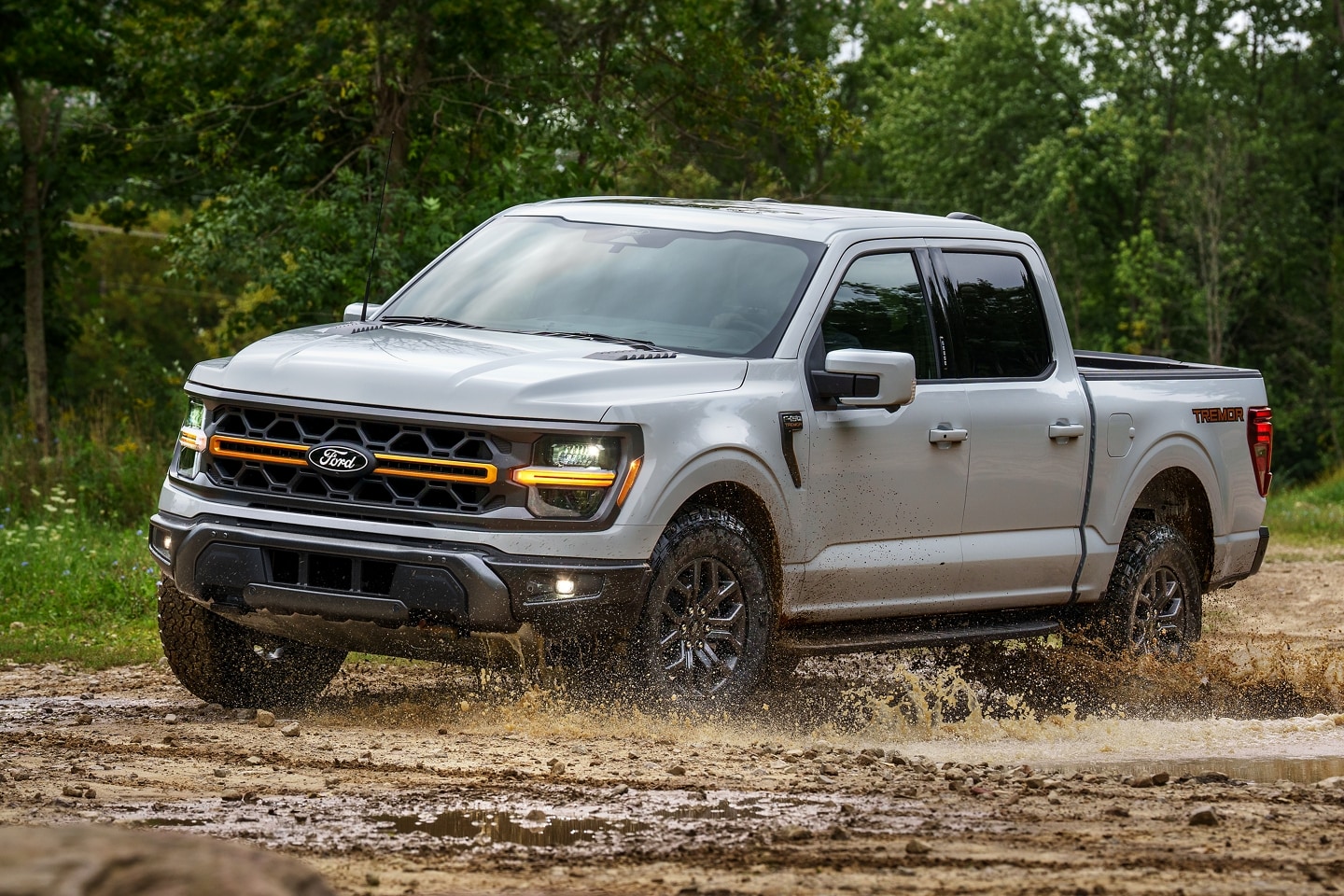
Credit: www.serrafordrochesterhills.com
How Weight Affects Fuel Economy
Heavier trucks use more fuel. When a truck weighs more, the engine works harder. This causes the truck to use more gas. Smaller and lighter trucks usually get better fuel mileage.
Ford tries to make lighter trucks with strong materials. This helps save fuel but keeps strength.
Weight and Towing Capacity
The weight of your truck affects how much it can tow. A heavier truck usually can tow more. But you must consider the GVWR and trailer weight. Always check the towing guide from Ford.
How to Find Your Ford F150 Weight
If you want to know the exact weight of your truck, you can do these things:
- Look in the owner’s manual.
- Check the label on the driver’s door frame.
- Visit the official Ford website.
- Use a public vehicle scale.
Typical Weight Differences Among Cab Types
Ford F150 comes in different cab styles. Each style adds weight.
| Cab Style | Weight Range (lbs) | Description |
|---|---|---|
| Regular Cab | 4,000 – 4,300 | Two doors, small cab, less weight. |
| SuperCab | 4,500 – 5,000 | Four doors, mid-size cab, more room. |
| SuperCrew | 4,900 – 5,600 | Four full-size doors, biggest cab, heaviest. |
Weight Differences by Bed Length
The F150 bed comes in two main lengths:
- 5.5 feet: Shorter bed, lighter weight.
- 6.5 feet or 8 feet: Longer bed, adds weight.
Longer beds add about 100 to 200 pounds to the truck weight.
4×4 vs 2WD Weight Difference
4-wheel drive trucks weigh more than 2-wheel drive trucks. This is because of extra parts like transfer cases and differentials.
On average, 4×4 trucks weigh about 300 to 500 pounds more.
How Ford Reduces Weight in the F150
Ford uses aluminum for the body of the F150. Aluminum is lighter than steel.
This change started in 2015. It made the truck lighter and easier to handle.
Even with aluminum, the truck stays strong and safe.
Summary
The weight of a Ford F150 depends on many things. It can range from about 4,000 to 5,600 pounds. Engine type, cab size, bed length, and drive type affect weight. Knowing the weight helps you with fuel, towing, and safety.
Always check your truck’s manual or label for exact weight information. Use this info to drive and load your truck safely.
If you want a lighter truck, choose smaller engines, regular cabs, and 2WD. If you want more space and power, expect more weight.
Weight is a key part of what makes the Ford F150 a good truck.