
Have you ever wondered how groups of vehicles move together smoothly and safely on busy roads? Whether you’re a driver, a logistics planner, or just curious, understanding the different types of convoy driving can give you an edge.
Knowing these types helps you stay safe, improve coordination, and handle any situation on the road with confidence. You’ll discover the key convoy driving styles and how each one works. Ready to learn what makes convoy driving so important? Keep reading to find out.
Convoy Driving Basics
Convoy driving means a group of vehicles traveling together. It helps drivers stay safe and organized on the road. Each vehicle follows specific rules to keep the group moving smoothly. Understanding the basics of convoy driving is important for all drivers.
Key Principles
Keep a steady speed. Avoid sudden stops or turns. Maintain a safe distance between vehicles. Use signals to show changes in direction. Follow the lead vehicle’s instructions. Stay alert to road conditions and traffic. Communicate clearly using radios or hand signals. These rules help prevent accidents and confusion.
Common Uses
Convoy driving is often used by military vehicles for safety. Emergency services use convoys for quick response. Large groups of trucks may travel together for efficiency. Convoys help in moving special cargo or oversized loads. They also support events where many vehicles travel the same route. Convoy driving ensures all vehicles stay together and arrive safely.

Credit: www.walmart.com
Military Convoy Driving
Military convoy driving plays a critical role in moving troops, equipment, and supplies safely through various environments. It requires strict discipline, clear communication, and precise coordination. The goal is to keep the convoy secure and efficient during missions.
Formation Styles
Military convoys use specific formation styles to maintain order and safety. The most common types are column, staggered, and diamond formations. The column formation lines vehicles one behind another, making it easier to control the convoy. Staggered formation spaces vehicles alternately on both sides of the road, improving visibility and reaction time. Diamond formation arranges vehicles in a diamond shape to protect the convoy from attacks.
Communication Methods
Clear communication is vital in military convoy driving. Drivers and commanders use radios to share real-time updates. Hand signals also play a role when radio silence is necessary. Communication helps coordinate speed, route changes, and alerts about threats. Each member must listen carefully and respond promptly to instructions.
Safety Measures
Safety is the top priority during military convoys. Drivers follow strict speed limits and maintain safe distances between vehicles. Each vehicle carries emergency equipment like first aid kits and fire extinguishers. Spotters watch for hazards along the route. Regular training ensures drivers know how to react in dangerous situations.
Commercial Convoy Driving
Commercial convoy driving involves moving goods or equipment using multiple vehicles traveling together. This method improves safety and efficiency for large shipments. Drivers must work as a team to keep the convoy organized and on schedule.
Load Coordination
Load coordination ensures that all cargo is properly distributed among the vehicles. Each load must match the vehicle’s capacity and type. Proper loading avoids damage and helps maintain balance during travel.
Route Planning
Route planning maps the best path for the convoy to follow. Planners consider road conditions, traffic, and rest stops. Choosing the right route saves time and reduces fuel costs.
Regulatory Compliance
Regulatory compliance means following laws and rules for commercial transport. This includes weight limits, permits, and safety standards. Staying compliant avoids fines and keeps the convoy legal on the road.

Credit: www.reddit.com
Escort Convoy Driving
Escort convoy driving ensures safe movement of large or heavy loads on roads. It involves specialized vehicles guiding and protecting transport trucks. The escort team works closely with drivers and traffic authorities. Their goal is to prevent accidents and keep traffic smooth. Understanding this type of convoy driving helps appreciate its importance in road safety.
Roles Of Escort Vehicles
Escort vehicles lead or follow the main load. They warn other drivers about the convoy. These vehicles use lights and signs to signal hazards. Some escort cars monitor traffic conditions ahead. Others help the truck driver navigate tight turns or narrow roads. Each escort has a clear role to keep the convoy safe.
Traffic Management
Escort convoys control traffic flow around the load. They may slow down or stop other vehicles temporarily. This creates space for the convoy to move safely. Escorts communicate with each other using radios. They alert drivers to changes in traffic or road conditions. Traffic management prevents collisions and reduces delays.
Emergency Protocols
Escort teams prepare for emergencies before the trip. They carry first aid kits and fire extinguishers. Drivers know how to react if the load shifts or breaks down. Escorts can block traffic to protect the convoy in danger. Quick response minimizes risks during accidents or sudden stops. Safety comes first in all situations.
Special Cargo Convoy Driving
Special cargo convoy driving involves transporting unique and sensitive goods. These convoys need careful planning and skilled drivers. The cargo can be dangerous, large, or need extra protection. Drivers must follow strict rules to keep everyone safe. Every trip requires attention to detail and teamwork.
Special cargo convoys are essential for many industries. They help move materials that regular trucks cannot handle. Understanding the types of special cargo helps drivers prepare for the challenges ahead.
Hazardous Materials
Hazardous materials include chemicals, fuels, and other dangerous goods. Drivers must have special training to handle these loads. Safety rules are strict to avoid accidents and spills. Convoys carrying hazardous materials use warning signs and follow specific routes. Emergency plans are always in place.
Oversized Loads
Oversized loads are larger than normal trucks can carry. These loads need extra space on the road. Drivers use escort vehicles to help navigate tight turns and narrow roads. Planning the route is critical to avoid low bridges and sharp curves. Patience and skill keep the convoy moving safely.
Security Requirements
Some special cargo needs extra security during transport. This can include valuable or sensitive items. Convoys may have guards or police escorts to protect the cargo. Drivers must follow strict schedules and stay alert at all times. Communication between vehicles ensures quick action if needed.
Technology In Convoy Driving
Technology plays a key role in convoy driving. It helps drivers stay safe and connected. Modern tools make convoy operations smoother and more efficient.
Convoy drivers use different technologies to track vehicles, communicate, and even automate tasks. These advances improve coordination and reduce risks on the road.
Gps Tracking
GPS tracking is essential in convoy driving. It allows real-time location monitoring of every vehicle. Drivers and managers know where each truck is at all times. This helps keep the convoy together and avoid delays. GPS also supports route planning and quick responses to road conditions.
Communication Tools
Clear communication is crucial for convoy safety. Drivers use radios and mobile apps to stay in touch. These tools enable instant voice messages or text updates. Communication helps drivers share important information like traffic, hazards, or changes in plans. Reliable communication keeps the convoy coordinated and prevents accidents.
Automation Trends
Automation is becoming more common in convoy driving. Some trucks use systems to maintain distance and speed automatically. These features reduce driver fatigue and improve safety. Automated braking and lane-keeping assist drivers in tough conditions. Future trends point to even more self-driving capabilities in convoys.
Training And Certification
Training and certification are vital for convoy driving. They ensure drivers handle vehicles safely and follow rules. Proper training improves coordination and reduces risks on the road. Certification proves that drivers meet industry standards. It also helps companies trust their drivers more.
Driver Skills
Convoy drivers must develop strong driving skills. They learn to maintain steady speeds and safe distances. Drivers practice communication using radios and signals. Maneuvering large vehicles in tight spaces is essential. Training also focuses on handling emergencies calmly and quickly.
Safety Courses
Safety courses teach important rules and best practices. Drivers study road signs, convoy formations, and hazard recognition. These courses include hands-on exercises and simulations. Drivers learn to avoid accidents and reduce fatigue. Regular safety training keeps skills sharp and current.
Certification Programs
Certification programs test drivers on knowledge and skills. They include written exams and practical driving tests. Approved programs follow government or industry guidelines. Certified drivers receive official documents as proof. Employers prefer certified drivers for their reliability and professionalism.
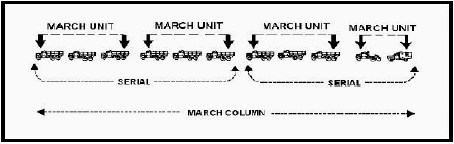
Credit: ops.fhwa.dot.gov
Tips For Safe Convoy Driving
Driving in a convoy requires focus and teamwork. Safety is the top priority for every driver. Following clear tips helps avoid accidents and keeps the group together. These simple steps improve the driving experience for all.
Maintaining Distance
Keep a safe space between vehicles at all times. Close gaps increase the risk of collisions. A good distance lets drivers react to sudden stops or changes. Adjust distance based on road and weather conditions.
Effective Communication
Use radios or hand signals to share information quickly. Clear communication prevents confusion and keeps the convoy organized. Confirm messages and listen closely to every update. Speak calmly and clearly to avoid misunderstandings.
Handling Emergencies
Stay calm and follow the agreed plan if trouble arises. Signal to others and move to a safe spot. Check if anyone needs help before continuing. Practice emergency drills to prepare for unexpected events.
Conclusion
Convoy driving comes in many types, each with its own purpose. Some focus on safety, while others help with navigation or transport. Knowing these types helps drivers prepare better for the road. Clear communication and teamwork make convoys safer and smoother.
Every driver should understand these basics to improve their skills. Practice and attention keep everyone safe during convoy trips. Remember, good planning leads to success on the road.