
When it comes to getting goods from one place to another, the type of delivery vehicle you choose can make all the difference. Whether you’re running a small business, managing a large company, or just curious about how deliveries happen, knowing the right vehicle for the job can save you time, money, and headaches.
You might be surprised by the variety of delivery vehicles available and how each one fits specific needs. Keep reading to discover the different types of delivery vehicles and find out which one suits your delivery needs best. This knowledge could change the way you think about shipping forever.
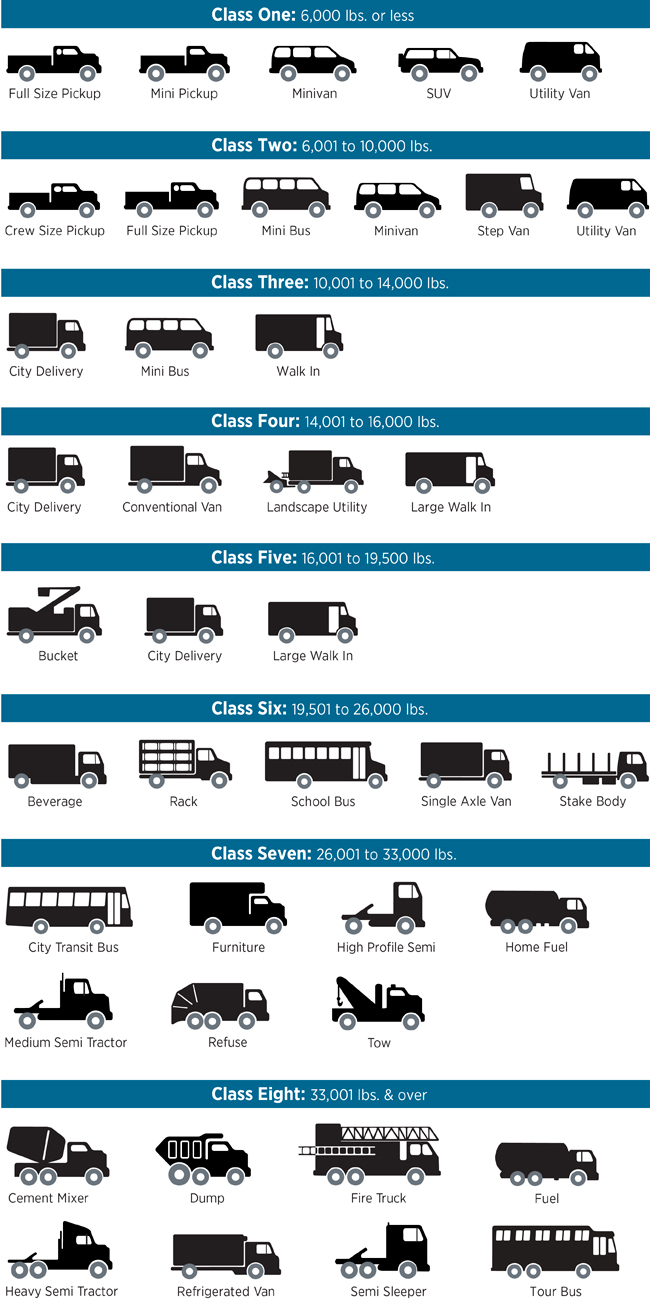
Credit: afdc.energy.gov
Common Delivery Vehicles
Delivery vehicles play a key role in transporting goods quickly and safely. Different types of vehicles suit different delivery needs and locations. Understanding common delivery vehicles helps businesses choose the best option for their service.
Vans And Trucks
Vans and trucks are popular for carrying large or heavy packages. They offer plenty of space and protect goods from weather. Businesses often use them for long-distance or bulk deliveries. These vehicles can reach many places, including urban and rural areas.
Motorcycles And Scooters
Motorcycles and scooters are fast and agile. They are perfect for quick deliveries in busy cities. These vehicles can weave through traffic and park easily. They are ideal for small packages, food delivery, and urgent shipments.
Bicycles
Bicycles are eco-friendly and cost-effective delivery options. They work well for short distances in crowded areas. Bikes are quiet and help reduce pollution. They are common in urban zones with narrow streets and heavy traffic.
Specialized Delivery Vehicles
Specialized delivery vehicles play a crucial role in ensuring goods reach their destinations safely and on time. These vehicles are designed for specific types of cargo and delivery needs. They help businesses handle delicate, heavy, or time-sensitive products with care and efficiency.
Refrigerated Trucks
Refrigerated trucks keep food and medicines cold during transit. They maintain a steady temperature to prevent spoilage. These trucks are essential for fresh produce, dairy, and frozen items. Their insulated walls and cooling systems protect perishable goods. They ensure products arrive fresh and safe to consumers.
Electric Delivery Vehicles
Electric delivery vehicles reduce pollution in cities. They run on batteries and produce no exhaust fumes. These vehicles are quiet and cost less to operate. Many companies use them for short-distance deliveries. They help meet environmental goals and lower fuel expenses.
Drones And Autonomous Vehicles
Drones and autonomous vehicles deliver small packages quickly. Drones fly over traffic to reach remote areas. Autonomous vehicles drive themselves without a human driver. They improve delivery speed and reduce labor costs. These technologies are growing in use and changing delivery methods.
Choosing The Right Vehicle
Choosing the right delivery vehicle is key to running a smooth delivery service. The choice depends on many factors. These include how far you deliver, the size of your loads, and your budget. Picking the right vehicle saves time and money. It also helps keep customers happy.
Delivery Distance And Route
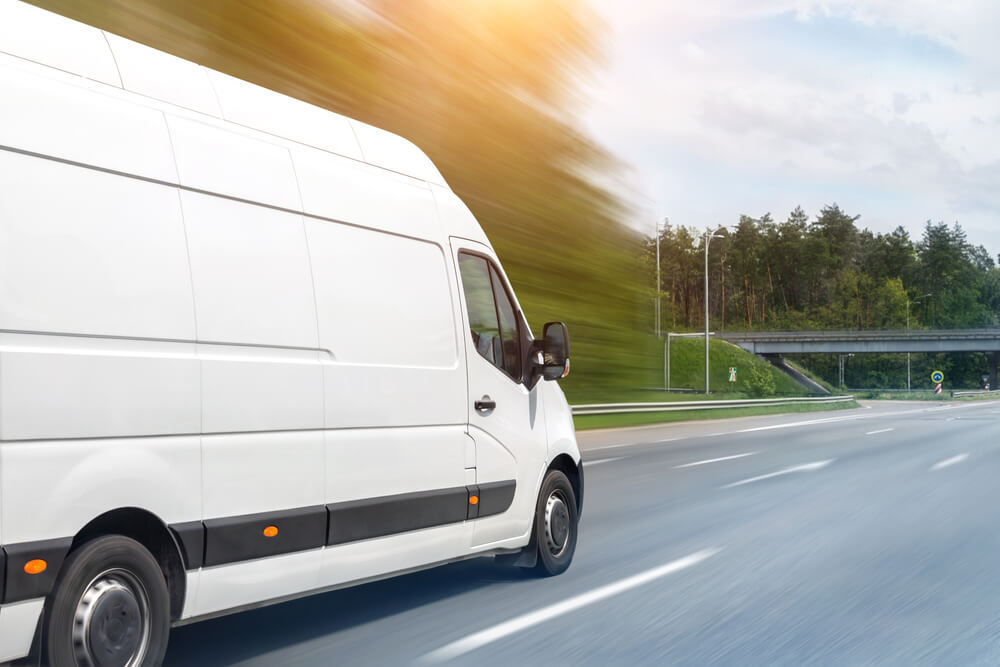
Consider the distance you need to cover each day. Small vehicles suit short trips inside the city. Larger trucks work better for long routes or rural areas. Think about road types too. Narrow streets need compact vehicles. Highways allow bigger trucks to move faster.
Load Capacity
Know the size and weight of your packages. Small vans handle light loads well. Heavy or bulky items require bigger trucks. Overloading a vehicle causes damage and delays. Choose a vehicle that fits your typical delivery size. This keeps goods safe and delivery smooth.
Cost And Maintenance
Look at the purchase price and running costs. Fuel efficiency matters for daily use. Maintenance costs can add up over time. Smaller vehicles usually cost less to maintain. Larger trucks need more fuel and care. Balance your budget with your delivery needs for best results.
Credit: xpressman.com
Impact On Delivery Efficiency
Delivery vehicles play a big role in how well shipments arrive on time and in good shape. Choosing the right type affects how fast deliveries happen, the cost of fuel, and the impact on the environment. These factors all shape delivery efficiency and customer satisfaction.
Speed And Timeliness
Some vehicles move faster in busy cities. Small vans and bikes can skip traffic and reach customers quickly. Larger trucks carry more goods but may face delays in tight spaces. Speed affects how many deliveries happen each day. Timely deliveries keep customers happy and build trust.
Fuel Efficiency
Fuel costs add up fast in delivery work. Vehicles that use less fuel save money over time. Electric and hybrid models cut fuel use. Light trucks and scooters often use less gas than big trucks. Lower fuel use means lower delivery costs. This helps businesses offer better prices.
Environmental Considerations
Many companies want to reduce pollution. Electric vehicles produce no exhaust fumes. They help cities stay cleaner and air healthier. Using eco-friendly vehicles also meets growing rules about pollution. Green delivery choices support better communities. They show a business cares about the planet.
Future Trends In Delivery Vehicles
The future of delivery vehicles is changing fast. New ideas and technology shape how goods move from place to place. These changes aim to make delivery faster, cleaner, and smarter. Businesses and customers want better service with less harm to the planet. Delivery vehicles will become more efficient and eco-friendly in the years ahead.
Sustainable Innovations
Electric vehicles are growing in popularity for deliveries. They produce no exhaust fumes and lower pollution. Solar power and hydrogen fuel cells offer new ways to power delivery trucks. Lightweight materials help vehicles use less energy. Companies focus on reducing their carbon footprint. Bikes and small electric vans serve well in crowded cities. These choices cut costs and protect the environment.
Technology Integration
Smart technology is becoming common in delivery vehicles. GPS and route planning reduce travel time and fuel use. Sensors track vehicle health and cargo condition. Drones and robots start to handle short-distance deliveries. Autonomous vehicles can drive without human help. These tools improve safety and speed. Real-time data helps drivers avoid traffic and delays. Technology makes delivery more reliable and efficient.
Regulatory Changes
Governments are setting stricter rules on vehicle emissions. Many cities limit the use of diesel trucks in busy areas. Incentives encourage companies to use electric or hybrid vehicles. Safety laws require better standards for automated driving systems. Rules also cover noise levels and road use times. Compliance with new laws shapes which vehicles companies choose. Regulations push the industry toward greener, safer delivery options.

Credit: www.shutterstock.com
Conclusion
Choosing the right delivery vehicle depends on your needs and budget. Small vans suit urban areas with tight spaces. Larger trucks work well for heavy or bulk items. Bikes and scooters offer quick delivery in busy cities. Electric vehicles help reduce pollution and save fuel costs.
Each type has its own benefits and limits. Think about distance, cargo size, and delivery speed. Using the right vehicle improves service and cuts expenses. Delivery options keep growing with new technology and ideas. Stay informed to pick the best fit for your business.