
When it comes to your vehicle, the exhaust system plays a crucial role in performance, fuel efficiency, and even the sound your car makes. But did you know there are different types of exhaust systems, each designed to serve a unique purpose?
Understanding these options can help you make smarter choices for your ride, whether you want better power, a quieter drive, or a sportier roar. Keep reading to discover the main types of exhaust systems and find out which one fits your needs perfectly.
Your car—and your driving experience—will thank you.
Credit: www.walkerexhaust.com
Exhaust System Basics
An exhaust system is a key part of any vehicle. It controls the flow of gases from the engine. The system helps reduce noise and harmful emissions. Understanding the basics helps you know how your vehicle runs better.
This section covers the main role of exhaust systems and their key parts. Each part works together to keep the car safe and efficient.
Role Of Exhaust Systems
The exhaust system moves gases from the engine out of the vehicle. It lowers the noise made by the engine. It also cuts down harmful pollutants before they reach the air. This protects the environment and keeps the air clean.
Good exhaust systems improve engine performance. They help fuel burn better and keep the engine cool. Without a working exhaust, the car may run poorly or fail emissions tests.
Key Components
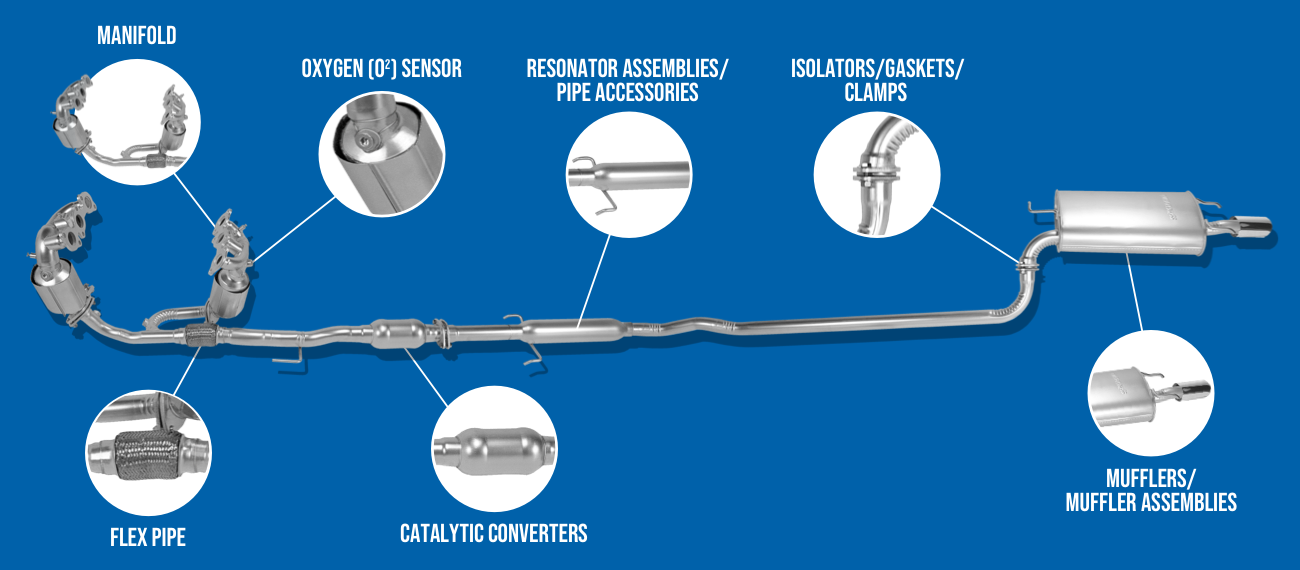
The exhaust system has several important parts. The exhaust manifold collects gases from the engine cylinders. Then, the catalytic converter changes harmful gases into less dangerous ones.
The muffler reduces engine noise. Pipes connect all parts and carry gases safely out of the vehicle. Each component must work well for the system to function properly.
Single Exhaust Systems
Single exhaust systems are common in many vehicles. They consist of one pipe that directs exhaust gases from the engine to the rear of the car. This setup is simple and cost-effective. Many drivers prefer it for basic vehicle needs.
Design And Features
A single exhaust system has one exhaust pipe and one muffler. It starts at the engine’s exhaust manifold. The pipe carries gases through the catalytic converter. The muffler reduces noise before gases exit the tailpipe. The design is straightforward and easy to maintain.
Performance Impact
Single exhaust systems offer adequate engine performance for most cars. They create enough back pressure to help the engine run smoothly. They do not provide high power output like dual systems. Still, they help maintain good fuel efficiency and reduce emissions effectively.
Best Uses
Single exhaust systems suit small to mid-size cars. They work well in daily commuting vehicles. Ideal for drivers who want reliability and low maintenance. Perfect for cars that do not need extra power or sporty sound.
Dual Exhaust Systems
Dual exhaust systems have two separate pipes to release engine gases. This design helps the engine breathe better. Cars with dual exhausts often perform better and sound stronger. Many car lovers prefer dual exhausts for style and power.
Types Of Dual Exhausts
There are two main types of dual exhaust systems. The first is the “true dual” exhaust. It has two separate pipes from the engine to the back of the car. Each pipe handles exhaust from one side of the engine.
The second type is the “dual outlet” exhaust. This system has one pipe from the engine but splits into two pipes near the end. It looks like a true dual but is less complex.
Advantages Over Single Exhaust
Dual exhausts reduce backpressure. This helps the engine work more efficiently. Cars can gain better fuel economy and more power. The sound is deeper and more aggressive. It also gives the car a sportier look.
Installation Considerations
Installing a dual exhaust can be tricky. It may need special parts and tools. Some cars require cutting or welding the frame. Professional help is often the best choice. Check local laws about exhaust noise before installing.
Credit: www.youtube.com
Headers And Manifolds
Headers and manifolds are key parts of a car’s exhaust system. They help move exhaust gases from the engine to the rest of the system. These parts affect engine power and sound. Different types of headers and manifolds offer various benefits. Understanding these types helps in choosing the right one for your vehicle.
Short Tube Headers
Short tube headers have pipes that are short and close to the engine. They improve exhaust flow more than stock manifolds. These headers boost power at mid-range engine speeds. They are easier to install and cost less than long tube headers. Many use them for street driving and mild performance upgrades.
Long Tube Headers
Long tube headers have longer pipes that stretch further from the engine. They help exhaust gases flow smoothly and quickly. These headers increase power at high engine speeds. They are popular for racing and high-performance cars. Installation is harder and may need extra space under the hood.
Cast Iron Manifolds
Cast iron manifolds are the basic type found in many cars. They are strong and last a long time. These manifolds are heavy and don’t improve performance much. They keep exhaust gases together before sending them to the rest of the system. Many choose them for durability and low cost.
Cat-back Exhaust Systems
Cat-back exhaust systems improve your vehicle’s exhaust flow from the catalytic converter to the rear. These systems replace the pipe, muffler, and tips behind the catalytic converter. They offer a balance of better sound, performance, and style without major engine changes.
Components Included
A typical cat-back system includes the pipe section after the catalytic converter. It also has a new muffler designed for better airflow and sound. The exhaust tips are usually upgraded for a sportier look. Clamps and hangers are part of the package for easy installation.
Performance Benefits
Cat-back systems reduce backpressure, allowing exhaust gases to exit faster. This can improve engine efficiency and boost horsepower slightly. They also create a deeper, more aggressive exhaust sound. Many drivers enjoy the improved throttle response and fuel economy gains.
Popular Brands
Many brands offer reliable cat-back systems. Borla is known for quality stainless steel and great sound. MagnaFlow provides durable systems with smooth airflow. Flowmaster focuses on aggressive tones and performance. Other options include Gibson and Corsa, both trusted for durability and sound quality.

Credit: www.specialtyperformanceparts.com
Axle-back Exhaust Systems
Axle-back exhaust systems are a popular upgrade for many car owners. They replace the exhaust pipe and muffler located after the rear axle. This system offers a simple way to improve your vehicle’s sound and style.
Axle-back systems do not change the entire exhaust. They focus on the rear part, making them easier to install and less expensive. Many drivers choose them for a slight boost in performance without major modifications.
Design Differences
Axle-back exhausts replace only the pipes and mufflers behind the rear axle. The front and middle parts of the exhaust remain stock. This design keeps the original catalytic converter and resonator. The system usually includes new mufflers and tailpipes. It often has a more polished or aggressive look.
Sound And Performance Changes
Axle-back systems make the exhaust sound louder and deeper. They create a sportier tone without being too loud. Performance gains are small but noticeable. The engine breathes a bit easier at higher speeds. Fuel efficiency may improve slightly due to better exhaust flow.
Ideal Applications
Axle-back systems suit drivers wanting a mild upgrade. They fit well for street cars and daily drivers. Perfect for those who want better sound without losing comfort. They work great on vehicles with stock emissions parts. Also, ideal if you want an easy, quick installation.
Turbo-back Exhaust Systems
Turbo-back exhaust systems improve the flow of exhaust gases from a turbocharged engine. They replace the entire exhaust system starting from the turbocharger outlet to the rear of the car. This setup helps reduce backpressure and heat buildup, which can slow down the turbo’s performance.
Turbo-back systems are popular among car enthusiasts who want better power and sound. These systems often include larger pipes and high-quality materials. They help the engine breathe easier, which leads to better acceleration and efficiency.
Full System Overview
A turbo-back exhaust system begins right after the turbocharger. It includes the downpipe, mid-pipe, muffler, and tailpipe. Each part works together to guide exhaust gases out quickly and smoothly. The downpipe connects the turbo to the rest of the exhaust and is usually larger to handle more flow.
The mid-pipe and muffler further reduce backpressure and control sound levels. Many systems use stainless steel for durability and corrosion resistance. The tailpipe directs exhaust gases away from the vehicle safely.
Boosting Turbo Performance
Reducing backpressure allows the turbo to spool faster. Faster spool means the turbo produces boost more quickly. This improves throttle response and power delivery.
A good turbo-back system also helps lower exhaust gas temperatures. Cooler gases reduce stress on engine parts. This can improve reliability and engine life.
With less restriction, the engine runs more efficiently. It can breathe better and produce more horsepower and torque.
Installation Tips
Install a turbo-back system carefully for best results. Start by lifting the car safely and removing the old exhaust parts. Keep all bolts and gaskets for reuse if possible.
Check fitment before tightening bolts. Some systems may need minor adjustments. Use new gaskets to prevent leaks.
After installation, tighten bolts in stages to avoid warping. Inspect for leaks by running the engine at idle. Adjust or retighten bolts if needed.
Materials Used In Exhausts
Exhaust systems use different materials to handle heat and resist corrosion. The material affects the system’s lifespan, weight, and cost. Choosing the right material improves performance and durability.
Stainless Steel
Stainless steel is strong and resists rust well. It lasts long even under high heat. This material keeps exhaust systems in good shape for years. It costs more but offers great value for durability.
Aluminized Steel
Aluminized steel has a coating of aluminum to fight rust. It is cheaper than stainless steel. The coating protects the exhaust from corrosion. This material suits budget-friendly exhausts and provides decent lifespan.
Titanium
Titanium is very light and strong. It resists heat and rust better than most metals. This material is used in high-performance and racing exhausts. Titanium costs more but cuts weight and lasts long.
Choosing The Right Exhaust System
Choosing the right exhaust system is important for your vehicle’s performance and sound. The right system can improve power, fuel efficiency, and the noise level. It depends on what you want from your car and how you use it daily. This guide helps you find the best exhaust system for your needs.
Performance Goals
Think about what you want to achieve with the exhaust system. Do you want more horsepower or better fuel economy? Some systems focus on boosting engine power. Others reduce weight or improve sound quality. Choose a system that matches your driving style and goals.
Vehicle Compatibility
Not all exhaust systems fit every vehicle. Check if the system is made for your car’s make and model. Installing the wrong system can cause problems or reduce performance. Use parts designed for your vehicle to ensure proper fit and function.
Budget Considerations
Exhaust systems vary in price. Set a budget before choosing one. High-end systems offer more features but cost more. Basic systems are cheaper but may lack some benefits. Find a balance between cost and quality that fits your needs.
Maintaining Exhaust Systems
Maintaining your exhaust system keeps your vehicle running smoothly. A well-kept exhaust system helps reduce pollution and saves fuel. Regular care prevents costly repairs and improves engine performance.
Common Issues
Rust and corrosion often damage exhaust pipes. Leaks cause loud noises and reduce engine power. Blockages in the system can increase emissions. Loose parts may rattle and create vibrations. Early detection helps avoid bigger problems later.
Routine Checks
Look under your vehicle for rust or holes. Listen for unusual sounds when the engine runs. Check for strong smells of exhaust fumes inside the car. Inspect hangers and clamps for tightness. Schedule regular professional inspections for safety.
When To Upgrade
Replace the exhaust system if rust is extensive. Upgrade for better fuel efficiency or performance. Newer systems reduce harmful emissions effectively. Choose an upgrade if repairs cost more than half the system’s value. Modern systems can also improve your vehicle’s sound and style.
Conclusion
Choosing the right exhaust system affects your car’s performance and sound. Different types offer unique benefits and features. Knowing these options helps you make smart decisions. Keep your vehicle’s needs and budget in mind. Regular maintenance keeps your exhaust working well.
A good exhaust system improves fuel efficiency and reduces noise. Explore options and pick what fits your driving style best. Your car will thank you with better power and less pollution. Simple changes can make a big difference.