
When you think about building a house, a road, or even a skyscraper, have you ever wondered what machines make it all possible? Construction vehicles are the powerful tools that help move heavy materials, dig deep foundations, and shape the land around you.
If you want to understand how these machines work and which ones are used for different jobs, this guide is for you. By the end, you’ll know exactly what each type of construction vehicle does—and why they’re essential for any project.
Ready to discover the machines that build our world? Let’s dive in.
Excavators
Excavators are powerful machines used in many construction projects. They dig, lift, and move large amounts of earth quickly. These vehicles come in different types to fit various tasks and work environments. Each type offers unique features for specific jobs.
Crawler Excavators
Crawler excavators have tracks instead of wheels. These tracks give them great stability on rough ground. They work well on uneven or soft surfaces like mud. Crawler excavators are strong and can handle heavy digging and lifting. They are common on large construction sites and mining operations.
Wheel Excavators
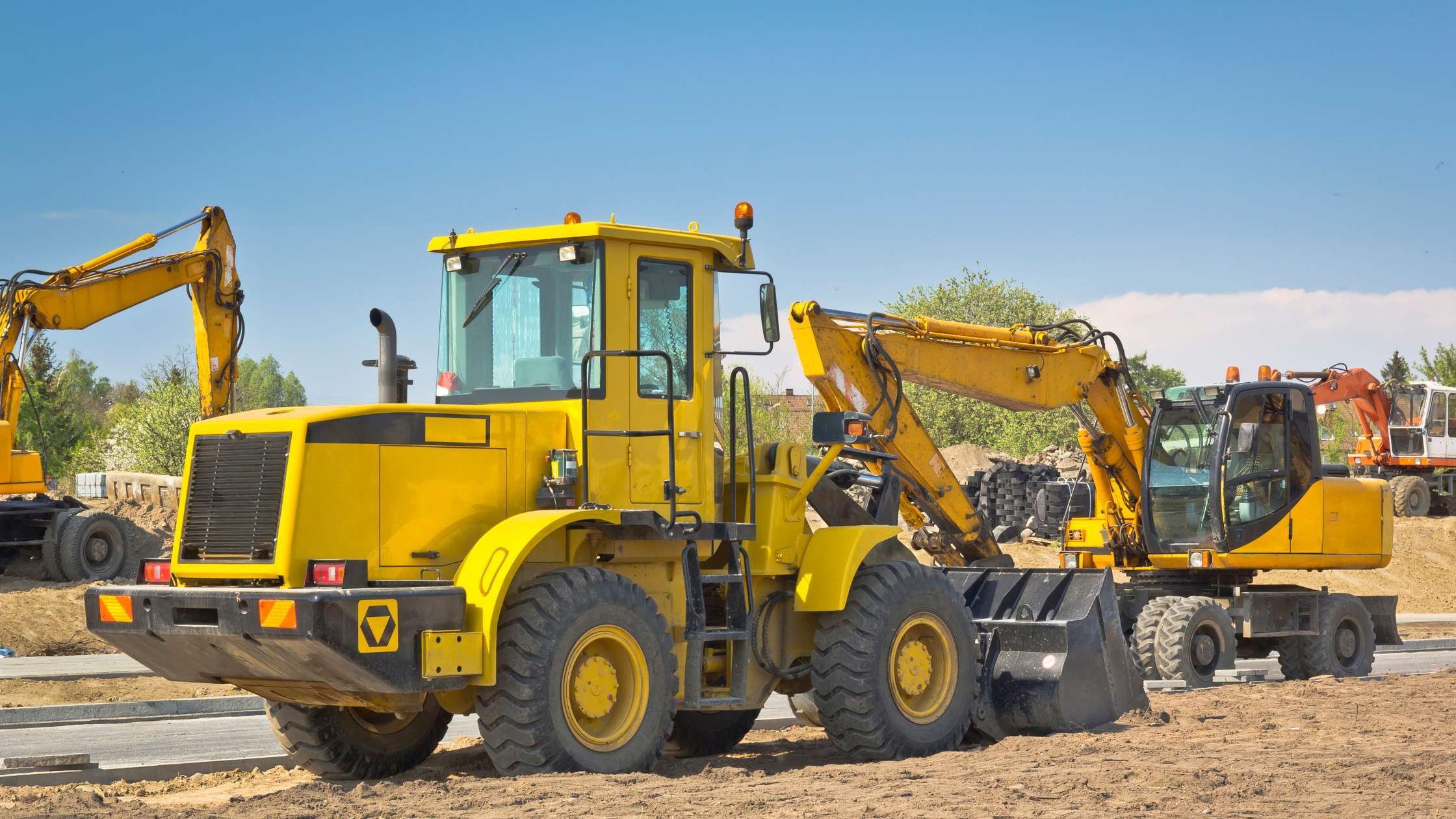
Wheel excavators have tires instead of tracks. This makes them faster and more mobile on paved roads. They move easily between job sites in urban areas. Wheel excavators are good for lighter digging and loading tasks. They are often used in city construction and road maintenance.
Mini Excavators
Mini excavators are small and compact machines. They work well in tight spaces where larger machines cannot fit. Mini excavators are perfect for small jobs like landscaping or indoor projects. Despite their size, they can dig and lift efficiently. Their light weight also reduces damage to delicate surfaces.
Bulldozers
Bulldozers are powerful machines used in construction sites for moving large amounts of earth. They have a wide, flat blade at the front that pushes soil, sand, rubble, and other materials. Bulldozers clear land, level surfaces, and help prepare the ground for building projects. Their strength and durability make them essential in many construction tasks.
Crawler Bulldozers
Crawler bulldozers run on tracks instead of wheels. These tracks give better grip on rough and uneven ground. They work well in muddy or soft soil where wheeled vehicles might get stuck. Crawler bulldozers are strong and stable, making them good for heavy-duty tasks. Their wide tracks spread the weight, reducing ground pressure and preventing sinking.
Wheel Bulldozers
Wheel bulldozers have large tires instead of tracks. They move faster on hard, smooth surfaces than crawler bulldozers. These machines are easier to drive on roads and paved areas. Wheel bulldozers are more maneuverable and can change direction quickly. They are best for projects requiring speed and flexibility, like urban construction sites.
Loaders
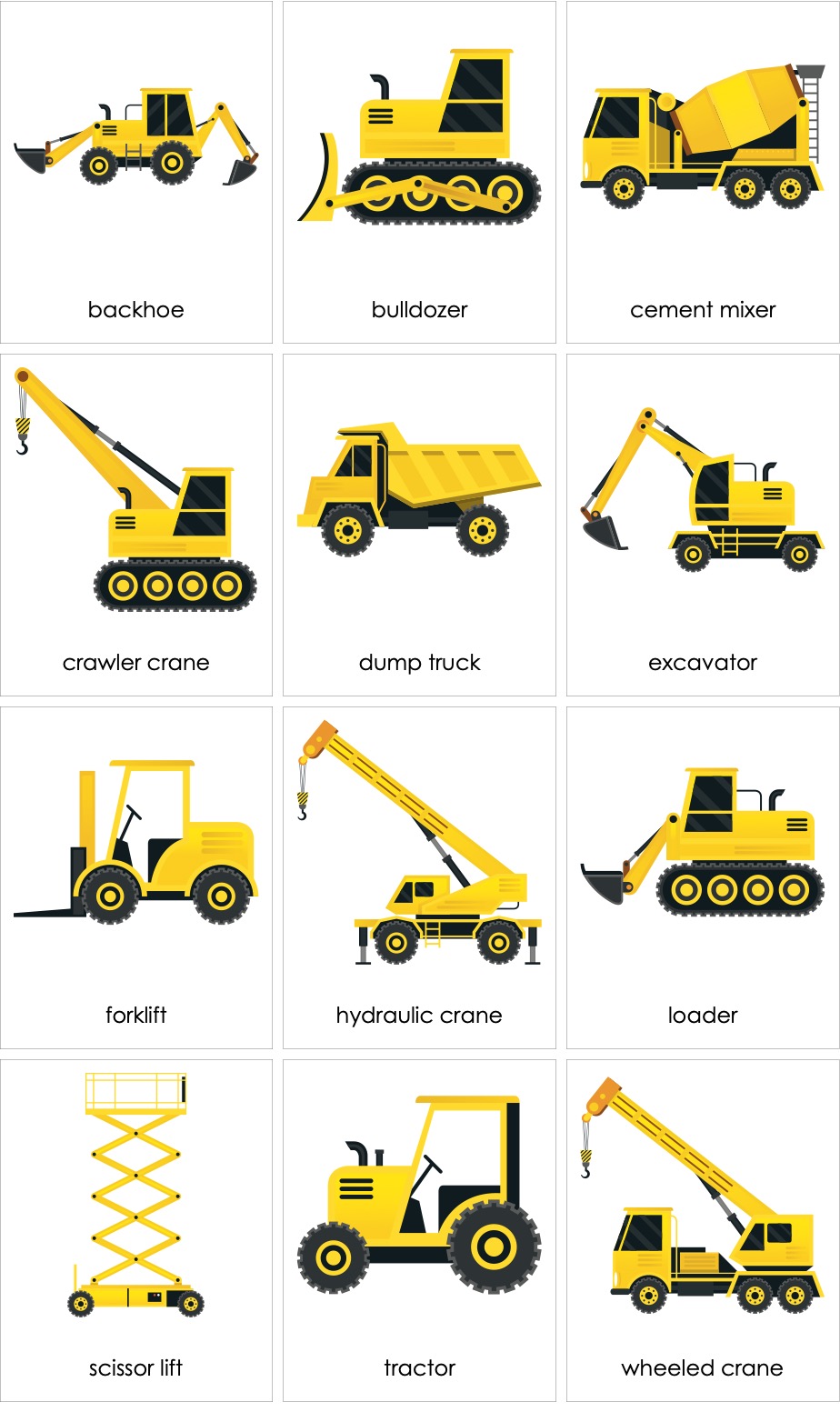
Loaders are essential machines in construction sites. They move materials like soil, gravel, and sand quickly. These vehicles help prepare sites and clear debris. Their versatility makes them a common choice for many tasks.
Loaders come in different types. Each type fits specific jobs and terrain. Understanding these helps pick the right machine for the work.
Front Loaders
Front loaders have a large bucket at the front. They scoop and lift heavy materials easily. These machines are great for moving dirt and rocks. Their strong arms lift loads high for dumping. Front loaders work well in open spaces.
Backhoe Loaders
Backhoe loaders have a bucket in front and a digger in back. They can dig trenches and lift loads. These machines combine two tools in one. They save space and increase job flexibility. Backhoe loaders fit well in tight areas.
Skid Steer Loaders
Skid steer loaders are small and agile. They turn quickly on their own axis. These loaders work in cramped spaces. They use various attachments for different tasks. Skid steers are perfect for landscaping and small jobs.
Credit: montessoridigital.org
Cranes
Cranes are vital machines on construction sites. They lift and move heavy materials with ease. Cranes help build tall buildings and large structures quickly. Different types of cranes serve different needs. Understanding these types can help you grasp their uses better.
Tower Cranes
Tower cranes are tall and fixed to the ground. They work well on skyscraper projects. These cranes can reach great heights and lift heavy loads. Operators control them from a cabin high above the ground. Tower cranes are stable and can rotate 360 degrees.
Mobile Cranes
Mobile cranes are flexible and easy to move. They have wheels or tires and can drive on roads. These cranes set up quickly at different sites. They are perfect for small to medium projects. Mobile cranes can reach many places on a job site.
Crawler Cranes
Crawler cranes move on tracks instead of wheels. Tracks give stability on soft or uneven ground. These cranes can lift very heavy loads. They move slowly but carry big weights safely. Crawler cranes are common in large construction and industrial projects.
Dump Trucks
Dump trucks are essential vehicles in construction sites. They carry heavy loads of materials like dirt, sand, and gravel. Their strong build helps move these materials quickly and safely. Dump trucks come in different types, each designed for specific tasks and terrain.
Articulated Dump Trucks
Articulated dump trucks have two parts joined by a pivot. This design lets them turn sharply and move on rough ground. They handle uneven surfaces better than other dump trucks. These trucks are common in mining and large construction projects. Their flexibility improves work speed and safety in tough conditions.
Rigid Dump Trucks
Rigid dump trucks have a single, solid frame. They carry heavier loads on smooth surfaces like paved roads. These trucks are bigger and stronger than articulated ones. They are used in large-scale earthmoving and quarry work. Their durability makes them reliable for long-distance material transport.
Concrete Equipment
Concrete equipment plays a crucial role in construction projects. It helps mix, transport, and pour concrete efficiently. This equipment ensures strong foundations and smooth surfaces. It saves time and reduces labor costs. Concrete machinery is essential for any building site that uses concrete.
Concrete Mixers
Concrete mixers blend cement, water, sand, and gravel into concrete. They keep the mixture uniform and ready to use. There are different types of mixers, such as drum mixers and pan mixers. Drum mixers are common on large sites. They rotate to mix concrete continuously. Pan mixers use a fixed pan with rotating blades. They produce high-quality concrete in smaller batches. Mixers come in various sizes to fit project needs.
Concrete Pumps
Concrete pumps move liquid concrete to hard-to-reach places. They use pipes or hoses to deliver concrete quickly. Pumps reduce the need for manual labor and speed up work. There are two main types: boom pumps and line pumps. Boom pumps have a robotic arm to place concrete precisely. Line pumps push concrete through long hoses. Both types improve safety and accuracy on site.
Compactors
Compactors are vital construction vehicles that help prepare the ground. They press soil, gravel, or asphalt to make surfaces strong and even. Proper compaction reduces air gaps, preventing settling or shifting later.
Different types of compactors suit various tasks. Each type works best for certain soil or project needs. Understanding these machines helps choose the right one for the job.
Plate Compactors
Plate compactors use a flat, heavy plate that vibrates rapidly. They are ideal for small areas and tight spaces. These machines work well on loose soil and gravel.
Plate compactors are easy to operate and transport. They provide strong vibration that packs the ground evenly. They are often used for sidewalks, patios, and trenches.
Roller Compactors
Roller compactors have large, heavy drums that roll over surfaces. They compress soil, gravel, and asphalt by weight and vibration. These machines are perfect for large, flat areas.
Rollers come in different sizes and drum types. Some have smooth drums for asphalt, while others have padded or spiked drums for soil. They increase surface strength and stability efficiently.
Graders
Graders are important construction vehicles used to create flat surfaces. They help prepare roads, level soil, and shape the ground for building. These machines have a long blade that cuts, spreads, and smooths materials like dirt and gravel.
Different types of graders serve different purposes. Two common types are motor graders and rough graders. Each type works best in certain conditions and tasks.
Motor Graders
Motor graders are large machines with a long blade in the middle. They use powerful engines to move easily over uneven ground. The blade can be adjusted to various angles and heights.
These graders create smooth, precise surfaces on roads and highways. They also help with drainage by shaping ditches and slopes. Motor graders work well on fine grading and finishing jobs.
Rough Graders
Rough graders are smaller and simpler than motor graders. They have a fixed blade and less power. These machines handle rough terrain and heavy materials.
Rough graders prepare land before finer grading. They break up hard soil and spread large amounts of dirt. These graders make the surface ready for motor graders to finish.
Specialty Vehicles
Specialty vehicles play a key role in construction projects. They handle tasks that standard machines cannot do. These vehicles are designed for specific jobs, helping projects run smoothly and efficiently.
Each type of specialty vehicle has unique features. They improve speed and accuracy on the worksite. Below are some common specialty vehicles used in construction.
Trenchers
Trenchers dig narrow trenches in the ground. These trenches are used for laying pipes or cables. They come in different sizes and types, such as chain trenchers and wheel trenchers. Trenchers work faster than manual digging and reduce labor costs.
Scrapers
Scrapers move large amounts of earth quickly. They scrape up soil and carry it to another location. This helps level the land or fill low spots. Scrapers are useful in road building and large site preparation.
Pavers
Pavers lay asphalt or concrete on roads and parking lots. They spread the material evenly to create smooth surfaces. Pavers ensure roads are strong and durable. Their precision helps prevent future cracks and damage.

Credit: www.youtube.com
Credit: www.pfleet.com
Conclusion
Construction vehicles play a big role in building projects. Each type has its own job to do. From digging to lifting, these machines make work easier. Knowing their uses helps workers choose right tools. This saves time and effort on site.
Understanding construction vehicles helps everyone see how projects grow. They keep sites safe and productive too. These machines are key to building our world.