
Are you curious about microcars and what makes them so special? These tiny vehicles are changing the way we think about city driving and parking.
Whether you want to save money, reduce your carbon footprint, or simply enjoy a fun and compact ride, understanding the different types of microcars can help you find the perfect match. You’ll discover the key categories of microcars, what sets each one apart, and how they can fit into your lifestyle.
Ready to explore the world of microcars and see which one suits you best? Keep reading to unlock the secrets behind these small but powerful vehicles.
Microcar Basics
Microcars are small, simple vehicles designed for city driving and short trips.
They use less fuel and take up less space on the road and parking lots.
Many people choose microcars for their ease of use and low running costs.
What Defines A Microcar
A microcar is usually smaller than a regular car, often seating one or two people.
It has a small engine, often below 700cc, which means less power but more efficiency.
Microcars often weigh less than 1,000 kilograms, making them easy to drive and park.
These cars are perfect for narrow city streets and tight parking spaces.
History Of Tiny Cars
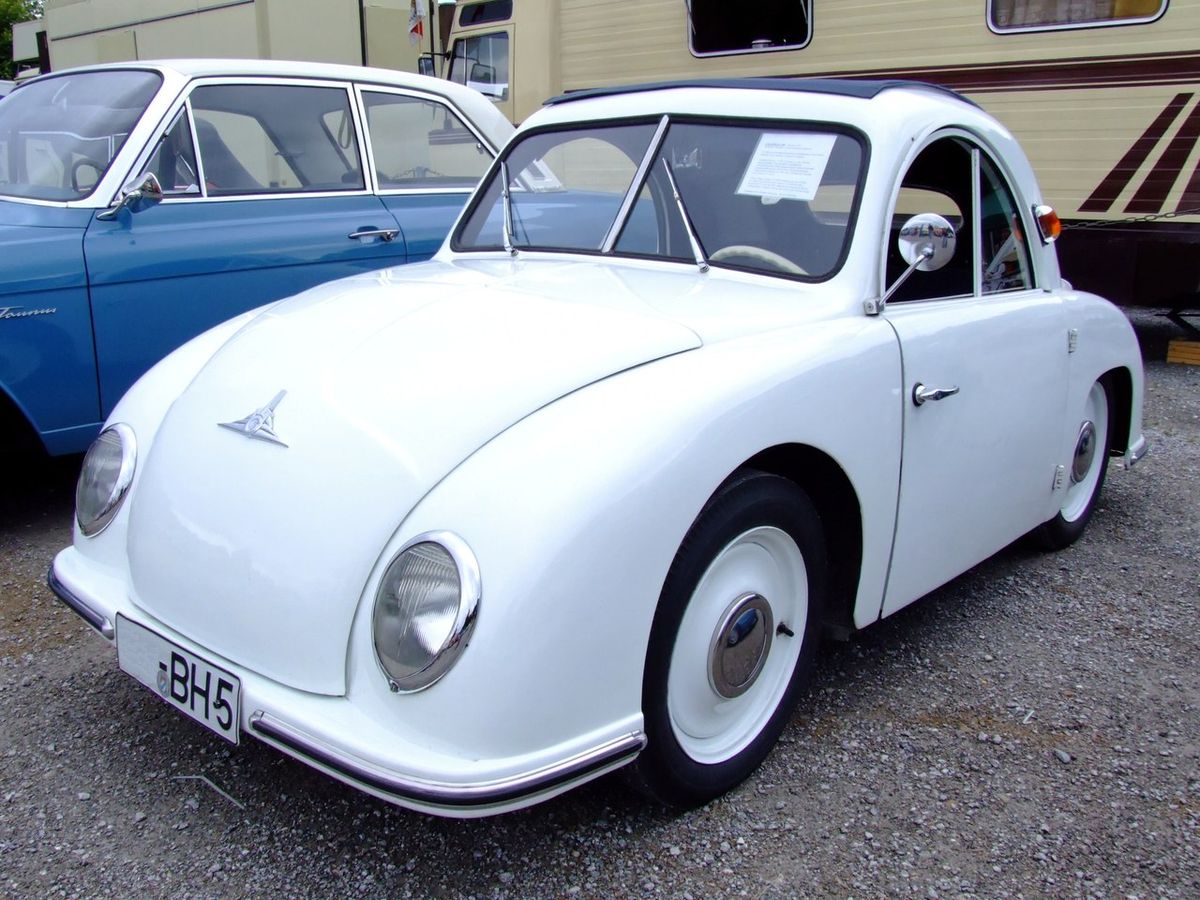
Microcars first became popular after World War II, during fuel shortages.
People needed cheap and small vehicles for everyday travel.
Early models were simple and affordable, helping many families own a car.
These tiny cars grew in popularity across Europe and Asia over time.
Today, microcars have modern designs but keep their small size and efficiency.

Credit: en.wikipedia.org
Popular Microcar Styles
Microcars come in different styles to suit many needs. Each style offers unique features and advantages. Understanding these styles helps you find the right microcar. Let’s explore the popular microcar styles that stand out today.
Bubble Cars
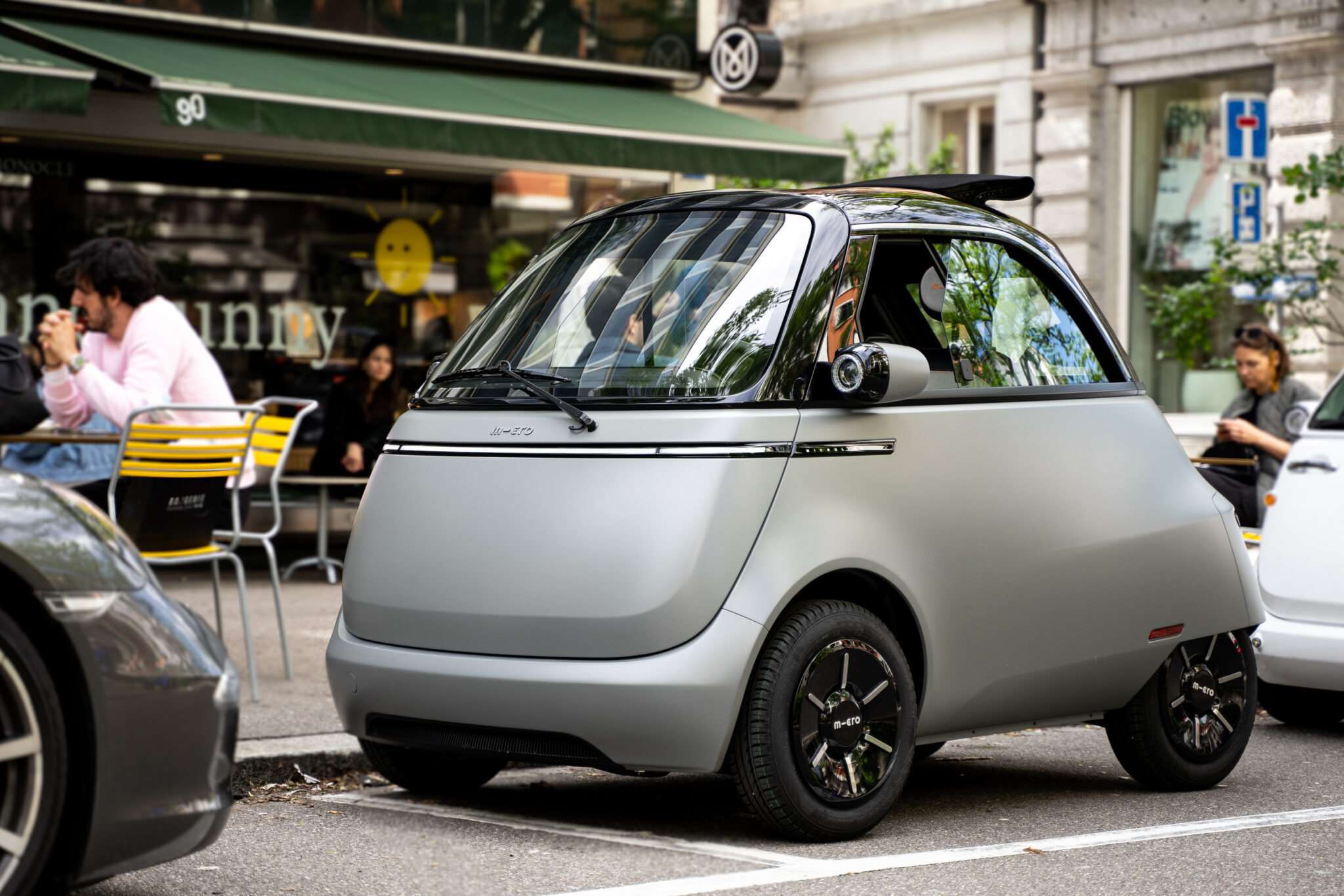
Bubble cars are small and round, with a dome-shaped roof. They often have a single door at the front. These cars look cute and are easy to park. Their small size makes them ideal for short trips and tight city streets.
Electric Microcars
Electric microcars run on batteries instead of gas. They produce zero emissions, making them eco-friendly. These cars are quiet and cost less to run. Perfect for city travel, they help reduce pollution and noise.
Three-wheelers
Three-wheelers have two wheels in front and one at the back. This design saves space and weight. They are often cheaper and simpler than four-wheel cars. Their unique look attracts those who want something different.
City Commuters
City commuters are designed for everyday travel in crowded areas. They are compact with good fuel efficiency. These microcars offer comfort and easy handling. Great for quick trips and avoiding traffic jams.
Top Microcar Models
Microcars are small, efficient vehicles designed for city driving. They save space and use less fuel. Some models stand out for their unique design and features. Here are top microcar models that show the variety in this category.
Smart Fortwo
The Smart Fortwo is a popular two-seater microcar. It fits easily into tight parking spots. The car is easy to drive and park in cities. It has a modern look and good fuel economy. Many drivers like its compact size and comfort.
Peel P50
The Peel P50 is the smallest car ever made. It has one door and one seat. This tiny vehicle is perfect for very short trips. It is light and easy to handle. Its retro style makes it a favorite for collectors.
Renault Twizy
The Renault Twizy is an electric microcar. It has two seats, one behind the other. The car is quiet and eco-friendly. It works well for short urban trips. The Twizy’s design is futuristic and eye-catching.
Bmw Isetta
The BMW Isetta is a classic microcar from the 1950s. It has a unique front door that opens forward. The Isetta is small but cozy inside. It was popular for its fuel efficiency and style. Today, it is a symbol of vintage microcars.
Benefits Of Driving Microcars
Driving microcars offers many advantages that suit city life. These small vehicles make daily travel easier and cheaper. Their design focuses on saving space and energy. People appreciate microcars for practical reasons that improve their driving experience.
Fuel Efficiency
Microcars use less fuel than regular cars. Their small engines need less gas to run. This means spending less money on fuel. It also helps drivers travel longer distances without refueling. Fuel efficiency is a top benefit for budget-conscious drivers.
Easy Parking
Finding parking spots can be hard in busy cities. Microcars fit into smaller spaces than normal cars. This saves time and reduces stress. Drivers can park closer to their destination. Easy parking means less walking and more convenience.
Lower Emissions
Microcars produce fewer harmful gases than larger vehicles. This helps keep the air cleaner. Lower emissions reduce pollution in crowded areas. Using microcars supports a healthier environment. This benefit appeals to eco-friendly drivers.
Microcars And Urban Living
Microcars fit well in cities. Their small size helps in busy urban places. These cars make city life easier. They suit people who drive short distances daily. Microcars reduce many common city driving problems.
Navigating Tight Spaces
Microcars move easily through narrow streets. Parking is simple and quick. These cars can fit in small spots. Drivers avoid stress in crowded areas. They handle sharp turns with ease.
Ideal For Short Trips
Most city trips are short. Microcars save fuel on these trips. They start and stop smoothly in traffic. Perfect for errands or quick rides. Drivers enjoy saving time and money.
Impact On City Traffic
Microcars take less road space. More cars fit on busy streets. This can reduce traffic jams. They also lower pollution levels. Cities become cleaner and quieter places.
Credit: en.wikipedia.org
Future Trends In Microcars
Microcars are changing fast. New technology shapes their future. Small size meets smart features and new designs. These cars fit city life and help reduce pollution. The future of microcars looks bright and full of promise.
We will explore three key areas: electric power, autonomous features, and design innovations. Each plays a role in making microcars better and more useful.
Advances In Electric Power
Electric engines are becoming more common in microcars. Batteries last longer and charge faster. This means drivers can travel farther with less waiting. Electric microcars produce no exhaust fumes. They help keep the air clean in cities.
New materials make batteries lighter. This reduces the car’s weight. A lighter car uses less energy. This makes electric microcars more efficient and cheaper to run.
Autonomous Features
Self-driving technology is growing in microcars. Sensors and cameras help cars see the road. These features improve safety and ease driving stress. Some microcars can park themselves and avoid collisions.
Autonomous features allow for better traffic flow. They reduce accidents caused by human error. In the future, microcars may share rides without drivers. This could lower traffic and parking problems in cities.
Design Innovations
Designers focus on space and comfort inside small cars. Folding seats and smart storage make the most of space. New shapes improve aerodynamics to save energy. Bright colors and sleek lines attract young buyers.
Materials are becoming more eco-friendly. Some microcars use recycled parts and sustainable fabrics. These choices help lower the car’s impact on the planet. The future of microcar design blends style, comfort, and care for nature.
Choosing The Right Microcar
Choosing the right microcar involves several important factors. These small vehicles come in many styles and options. Picking the best one depends on your daily needs and preferences. Understanding what matters most will help you find a microcar that fits your lifestyle perfectly.
Assessing Your Needs
Think about where you will drive the microcar. City streets, short trips, or longer commutes? Consider the number of passengers you usually carry. Storage space might matter if you shop often or carry gear. Also, check the parking options near your home and work. Small size helps in tight spots, but comfort is key too.
Budget Considerations
Set a clear budget before shopping. Microcars often cost less than larger cars. Still, prices vary by brand and features. Factor in fuel costs, maintenance, and insurance. Some microcars use electric power, which may save money on fuel. Choose a model that fits your financial plan without stress.
Safety Features
Safety is crucial even in small vehicles. Look for airbags, anti-lock brakes, and stability control. Some microcars have modern safety tech like parking sensors or cameras. Check crash test ratings if available. A safe microcar protects you and your passengers in any situation.
Credit: www.goodwood.com
Conclusion
Microcars offer many choices for city driving and small trips. They save fuel and fit easily into tight spaces. Each type suits different needs and budgets. Small size does not mean less style or comfort. Consider your daily use before picking a model.
These tiny cars can make travel simple and fun. Explore the options to find the best fit for you. Microcars bring convenience with a compact design. Perfect for busy streets and short journeys.