
Are you thinking about hauling something big but unsure which trailer fits your needs? Choosing the right trailer can save you time, money, and a lot of frustration.
Whether you’re moving equipment, carrying cargo, or planning a road trip, understanding the different types of trailers is key to making the best choice. You’ll discover the main trailer options available and what makes each one unique. By the end, you’ll feel confident picking the perfect trailer for your job or adventure.
Ready to find out which trailer matches your needs? Let’s dive in!

Credit: saferack.com
Common Trailer Types
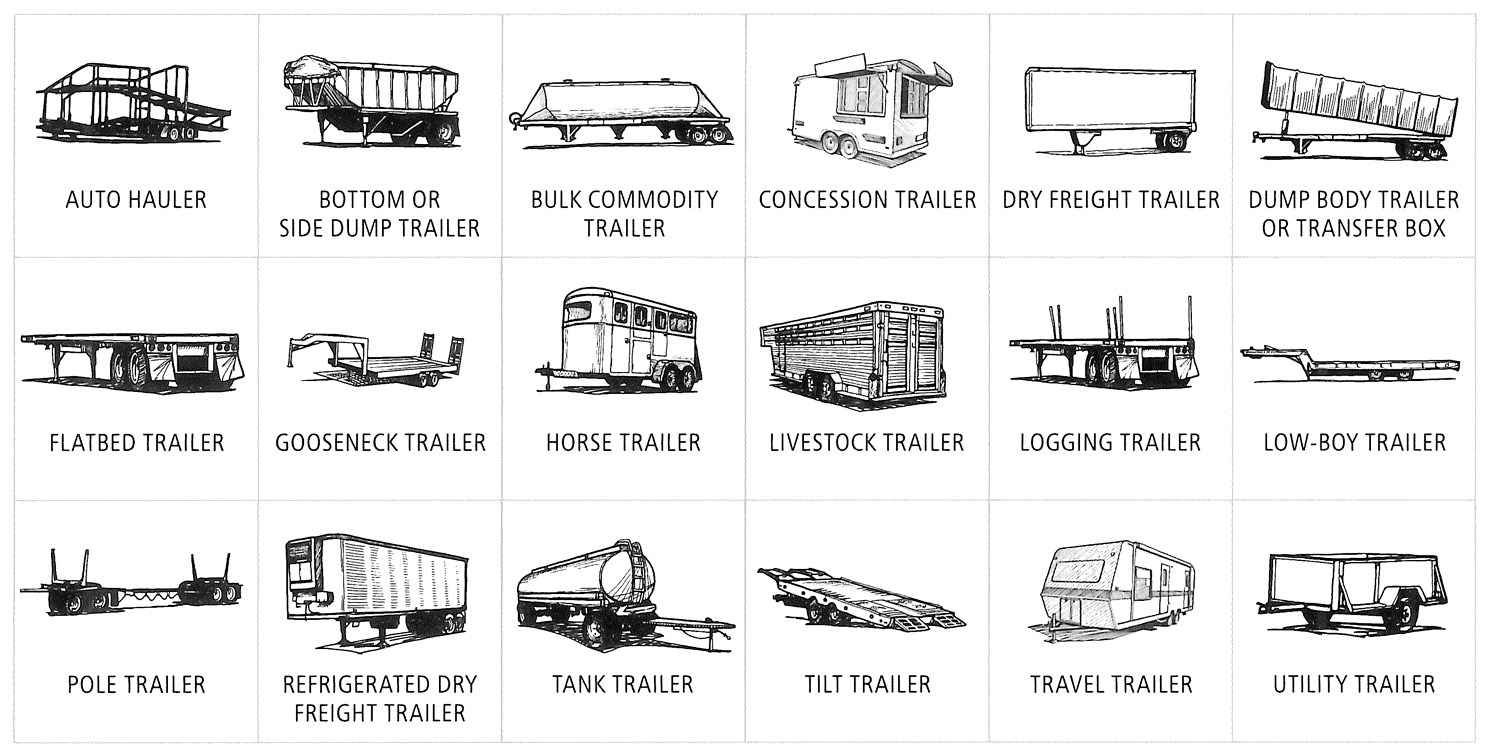
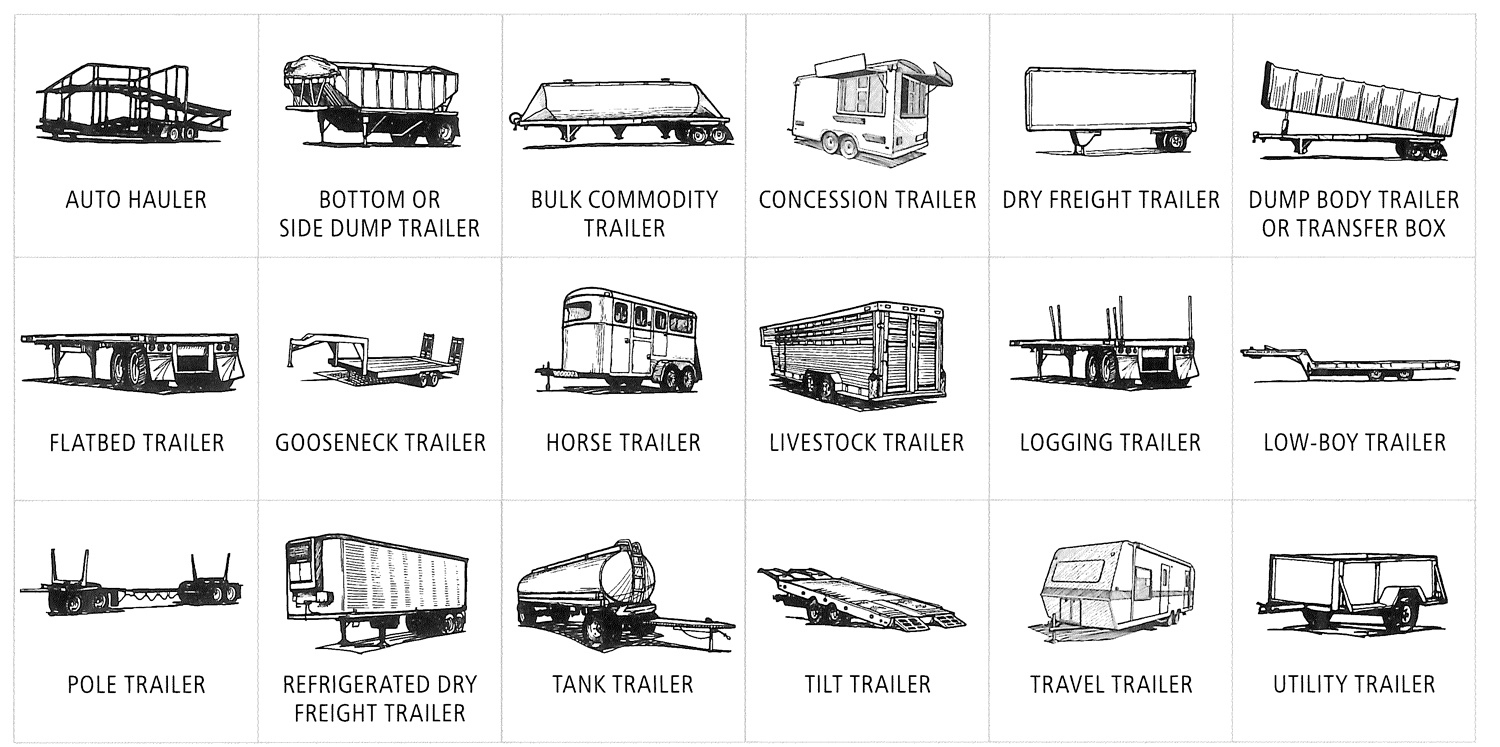
Trailers come in many shapes and sizes. Each type serves a specific purpose. Knowing the common trailer types helps you choose the right one.
Some trailers carry goods. Others transport vehicles or even people. Here are the most popular trailer types used today.
Utility Trailers
Utility trailers are versatile and lightweight. They carry small loads like garden tools, furniture, or bikes. Open sides make loading and unloading easy. Many people use them for home projects or small businesses.
Flatbed Trailers
Flatbed trailers have a flat surface without sides. They transport large, heavy items like machinery or building materials. Their open design allows for oversized cargo. Securing the load properly is important for safety.
Enclosed Trailers
Enclosed trailers protect cargo from weather and theft. They look like small boxes on wheels. People use them to move furniture, tools, or motorcycles. They keep items safe and dry during transport.
Dump Trailers
Dump trailers have a bed that tilts to unload materials. They carry dirt, gravel, or debris. This feature makes unloading faster and easier. They are common in construction and landscaping work.
Car Haulers
Car haulers are designed to carry vehicles. They often have ramps for easy loading. Used by car dealers and enthusiasts, they transport cars safely. Some models have open beds, others are enclosed.
Travel Trailers
Travel trailers provide living space on the road. They include beds, kitchens, and bathrooms. Families use them for vacations and road trips. They connect to a vehicle for easy towing and travel.
Specialized Trailer Varieties
Specialized trailers serve unique purposes beyond general hauling. They are built to carry specific loads safely and efficiently. These trailers meet the needs of different industries and activities.
Each type has unique features designed for its cargo. Understanding these trailers helps choose the right one for the job.
Boat Trailers
Boat trailers are made to carry boats from one place to another. They have adjustable supports to fit different boat shapes. These trailers are strong and rust-resistant to handle water exposure. They make transporting boats easy and safe.
Equipment Trailers
Equipment trailers haul heavy machines like tractors and construction gear. They have low decks for easy loading and unloading. Reinforced frames support the weight of large equipment. These trailers help move machinery to job sites.
Livestock Trailers
Livestock trailers transport animals such as cattle, horses, and sheep. They have ventilation and non-slip floors for animal safety. Dividers inside keep animals separated during travel. These trailers ensure animals arrive healthy and calm.
Refrigerated Trailers
Refrigerated trailers keep goods cold during transport. They carry perishable items like food and medicine. Insulated walls and cooling units maintain low temperatures. These trailers protect products from spoilage.
Dump Trailers
Dump trailers unload materials by tilting their beds. They carry dirt, gravel, and construction debris. Hydraulic systems raise the trailer bed for easy dumping. These trailers save time on heavy material removal.
Trailer Materials And Construction
Choosing the right materials for trailers affects their strength and performance. Trailer materials and construction decide how long a trailer lasts and how well it carries loads. This section covers common frame and decking materials and their effects on trailers.
Steel Vs Aluminum Frames
Steel frames are strong and can carry heavy loads. They resist bending but can rust over time. Steel trailers often cost less than aluminum ones. Aluminum frames weigh less and resist rust. They last longer in wet conditions. Aluminum trailers save fuel because they are lighter. Steel is better for tough, heavy-duty use. Aluminum suits lighter, everyday hauling.
Wood Vs Metal Decking
Wood decking feels natural and offers good grip for cargo. It is easy to replace if damaged. Wood can rot or warp in wet weather. Metal decking is sturdy and lasts longer. It resists water damage and is easy to clean. Some metal decks have holes for drainage. Metal decking can be slippery when wet. Wood decking works well for uneven loads. Metal decking supports heavy, sharp materials better.
Impact On Durability And Weight
Durability depends on material quality and construction style. Steel frames add weight but improve strength. Aluminum reduces trailer weight, easing towing and fuel use. Wood decks may need more care to stay strong. Metal decks need less maintenance and resist damage. Lighter trailers allow faster acceleration and braking. Heavier trailers handle rough loads and tough jobs. Choose materials based on use and maintenance ability.
Credit: www.shipmoto.com
Selecting Trailers By Purpose
Selecting the right trailer depends on the job it must do. Different trailers serve different purposes. Choosing a trailer that matches your needs saves time and effort. It also ensures safety and efficiency during transport.
Understanding the common uses of trailers helps in making a smart choice. Each type is designed to handle specific cargo or tasks. This guide covers trailers for heavy equipment, vehicles, household goods, and recreation.
Hauling Heavy Equipment
Heavy equipment trailers are built tough. They carry construction machines and large tools. These trailers have strong frames and low beds. This design helps support heavy loads and keeps them stable. Use them to move bulldozers, excavators, or forklifts safely.
Transporting Vehicles
Vehicle trailers come in flatbed or enclosed styles. Flatbeds carry cars or trucks with easy loading. Enclosed trailers protect vehicles from weather and road debris. These trailers often have ramps and tie-down points. They ensure vehicles stay secure during transport.
Moving Household Goods
Moving trailers are designed for furniture and boxes. They have enclosed spaces to keep items safe. Many have tie-down straps inside to prevent shifting. These trailers make moving homes simpler and reduce damage risks. Ideal for short or long-distance moves.
Recreational Uses
Recreational trailers include campers and boat trailers. Campers provide living space for trips and vacations. Boat trailers are shaped to carry watercraft safely. These trailers add convenience to outdoor activities. They help transport gear quickly and securely.
Key Features To Consider
Choosing the right trailer means knowing what features matter most. This helps you pick a trailer that fits your needs and stays safe on the road. Key features affect how well the trailer carries loads, stops, and handles different surfaces. Knowing these can save time and money.
Trailer Size And Capacity
Size affects what you can carry and where you can go. Check the length, width, and height to match your cargo. Capacity shows the maximum weight the trailer can hold. Exceeding this can cause damage and accidents. Always choose a size and capacity that fit your typical loads.
Braking Systems
Brakes keep trailers safe during travel. Electric brakes are common and easy to control. Hydraulic brakes offer strong stopping power for heavy loads. Some trailers have surge brakes that activate with trailer movement. Make sure your trailer’s braking system works well with your towing vehicle.
Axles And Suspension
Axles support the trailer’s weight and affect its stability. Single axles suit light loads and easy turns. Tandem axles carry heavier loads and provide better balance. Suspension absorbs bumps and keeps the ride smooth. Leaf spring suspension is common and reliable for many uses.
Tire Types
Tires affect safety and trailer performance. Radial tires last longer and offer better grip. Bias-ply tires handle rough roads and heavy loads well. Check tire size and rating for your trailer’s weight. Proper tires improve fuel efficiency and reduce wear on the trailer.
Trailer Maintenance Tips
Proper trailer maintenance keeps your trailer safe and reliable. It helps avoid costly repairs and accidents. Regular care improves trailer life and performance. Below are key tips for maintaining different trailer types.
Regular Inspections
Check your trailer before every trip. Look for cracks, rust, and loose bolts. Inspect lights and wiring for damage. Early detection prevents breakdowns on the road.
Tire Care
Check tire pressure monthly. Use a gauge for accurate reading. Look for uneven wear or cuts on tires. Rotate tires to extend their lifespan. Replace old or damaged tires promptly.
Brake Maintenance
Test brakes regularly to ensure proper function. Clean brake components to remove dirt and debris. Replace worn brake pads and shoes. Adjust brakes to maintain stopping power.
Storage Recommendations
Store trailers in a dry, covered area. Protect from rain and sun to avoid rust and damage. Use wheel chocks to prevent rolling. Cover the trailer with a breathable tarp if stored outside.
Credit: www.shipmoto.com
Conclusion
Choosing the right trailer depends on your needs and cargo type. Each trailer serves a special purpose. Some carry heavy loads, others protect fragile items. Knowing the types helps you pick smartly. This makes transport easier and safer. Remember to check size, weight, and features before buying.
A good trailer saves time and money. Keep these points in mind for your next trailer choice. Simple and clear decisions lead to better results.