Have you ever wondered what kinds of vehicles police officers use to keep your community safe? The types of police vehicles go far beyond the standard patrol car you see on the street.
Each vehicle serves a special purpose designed to help officers respond quickly, handle emergencies, and maintain order. Understanding these vehicles can give you a fresh perspective on how law enforcement works behind the scenes. Keep reading, and you’ll discover the surprising variety and unique features of police vehicles you probably never noticed before.

Credit: www.youtube.com
Patrol Cars
Patrol cars are the backbone of police forces worldwide. These vehicles help officers respond quickly to emergencies and maintain public safety. Patrol cars are designed for speed, durability, and visibility. Different types serve different needs on the road. They vary in size, fuel type, and features.
Standard Sedans
Standard sedans are common patrol vehicles. They are fast, easy to handle, and cost-effective. Police often use models like the Ford Taurus and Dodge Charger. These cars have powerful engines and strong frames. Their design helps officers chase suspects and patrol neighborhoods efficiently.
Suvs And Crossovers
SUVs and crossovers offer more space and power. They carry extra equipment and handle rough terrains better. Police use them in areas with bad weather or off-road needs. These vehicles provide a higher driving position. This helps officers see better during patrols and emergencies.
Electric And Hybrid Models
Electric and hybrid patrol cars reduce fuel costs and pollution. They are quieter and need less maintenance. Police departments adopt these vehicles for city patrols. They promote environmental responsibility while serving the community. These models are becoming more popular worldwide.
Specialized Response Vehicles
Specialized response vehicles help police handle tough situations. These vehicles are built for specific tasks and emergencies. They support officers in protecting the public and themselves. Their design and equipment vary based on their role.
These vehicles improve police work in critical moments. They offer safety, speed, and special tools for complex tasks. Each type serves a clear purpose during police operations.
K9 Units
K9 units carry trained police dogs and handlers. These vehicles have space for dogs to ride safely. They often include temperature control to keep dogs comfortable. Police dogs help in tracking, searching, and catching suspects. K9 units allow quick deployment of dogs where needed.
Swat Vehicles
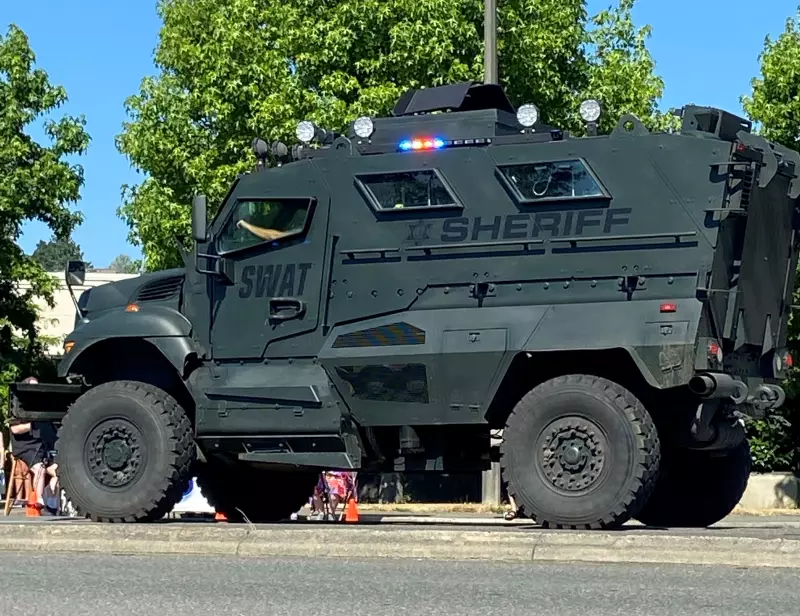
SWAT vehicles transport special weapons and tactics teams. They are built tough for dangerous, high-risk missions. These vehicles carry heavy gear, shields, and battering tools. SWAT vehicles provide protection from gunfire and explosives. They help officers reach crisis scenes safely and fast.
Armored Vehicles
Armored vehicles protect officers during violent encounters. They have strong armor plating and bulletproof glass. These vehicles resist gunfire, bombs, and other attacks. Armored vehicles are used in hostage rescues and riots. They keep police safe in the most dangerous situations.
Motorcycles And Bicycles
Police motorcycles and bicycles play a vital role in law enforcement. They allow officers to move quickly through traffic and tight spaces. These vehicles are perfect for patrolling crowded areas and parks.
Motorcycles and bicycles offer flexibility. They help police reach places where larger vehicles cannot. Their presence also boosts community engagement and visibility.
Traffic Enforcement Bikes
Traffic enforcement bikes help officers monitor and control road safety. They are fast and agile, making it easy to chase speeding vehicles. These bikes have sirens and lights to alert drivers. Officers use them to enforce traffic laws and respond quickly to accidents.
Off-road Motorcycles
Off-road motorcycles handle rough and uneven terrain. They are strong and durable for patrols in rural or forest areas. These bikes allow officers to reach places with no paved roads. They are essential for search and rescue missions or patrolling parks and trails.
Bicycle Patrol Units
Bicycle patrol units improve police presence in urban and park areas. They are quiet and eco-friendly, allowing officers to approach people easily. Bicycles help officers navigate crowded streets and events. These units promote positive interaction between police and the community.
Support And Utility Vehicles
Support and utility vehicles play a vital role in police work. They provide essential services beyond regular patrol duties. These vehicles help officers manage complex situations and investigations. They are specially designed for specific tasks that require extra equipment and space.
Mobile Command Centers
Mobile command centers serve as on-site headquarters during emergencies. They allow police to coordinate efforts in real time. These vehicles are equipped with communication tools and computers. Officers use them to plan and direct operations safely and efficiently. They help maintain control during large events or disasters.
Forensic And Investigation Vans
Forensic vans carry tools for crime scene analysis. These vehicles contain equipment for collecting evidence. Specialists use them to examine fingerprints, DNA, and other clues. They help solve crimes by preserving critical information. The vans provide a mobile lab for quick and accurate work.
Transport And Prisoner Vans
Transport vans move officers and prisoners safely. They have secure compartments to prevent escapes. These vehicles are used to transfer suspects between locations. They ensure safety for both police and detainees. Transport vans are designed for comfort and security during travel.
Emerging Technologies In Police Vehicles
Police vehicles are changing fast with new technology. These advances help officers work safer and smarter. New tools improve response time and protect communities better. Here are some key technologies shaping the future of police vehicles.
Autonomous Patrol Cars
Autonomous patrol cars can drive themselves on roads. They use sensors and cameras to see around. These cars can patrol areas without a driver inside. This helps cover more ground and reduce risks for officers. They also collect data for crime prevention and traffic control.
Drones And Unmanned Vehicles
Drones fly above to watch crowds and crime scenes. They give police a wide view from the sky. Unmanned ground vehicles explore places too dangerous for people. These tools help find suspects and secure areas faster. They also send live video back to command centers.
Advanced Communication Systems
Advanced communication systems keep officers connected at all times. These systems use fast radios and mobile data networks. They allow quick sharing of information and real-time updates. Officers can call for backup or access databases instantly. Clear communication improves teamwork and safety on the job.
Credit: goodcar.com

Credit: www.youtube.com
Conclusion
Police vehicles come in many types, each serving a special role. They help officers keep communities safe and respond quickly. From patrol cars to motorcycles, every vehicle fits a purpose. Understanding these types shows how police work day and night.
These vehicles support law enforcement in many ways. They make police work faster, safer, and more effective. Knowing about them helps us appreciate the effort behind public safety. Police vehicles are key tools in protecting and serving everyone.