
When you think about mining, what kind of machines come to mind? The huge trucks, powerful loaders, or maybe the tough drills?
Mining vehicles are the backbone of every mining operation, helping to dig, move, and transport materials safely and efficiently. If you want to understand how these machines work and which types are essential for different mining tasks, this article is for you.
By the end, you’ll know exactly what makes each vehicle unique and why choosing the right one can make all the difference in your mining projects. Ready to discover the key players in the world of mining vehicles? Let’s dive in.
Credit: anundergroundminer.com
Haul Trucks
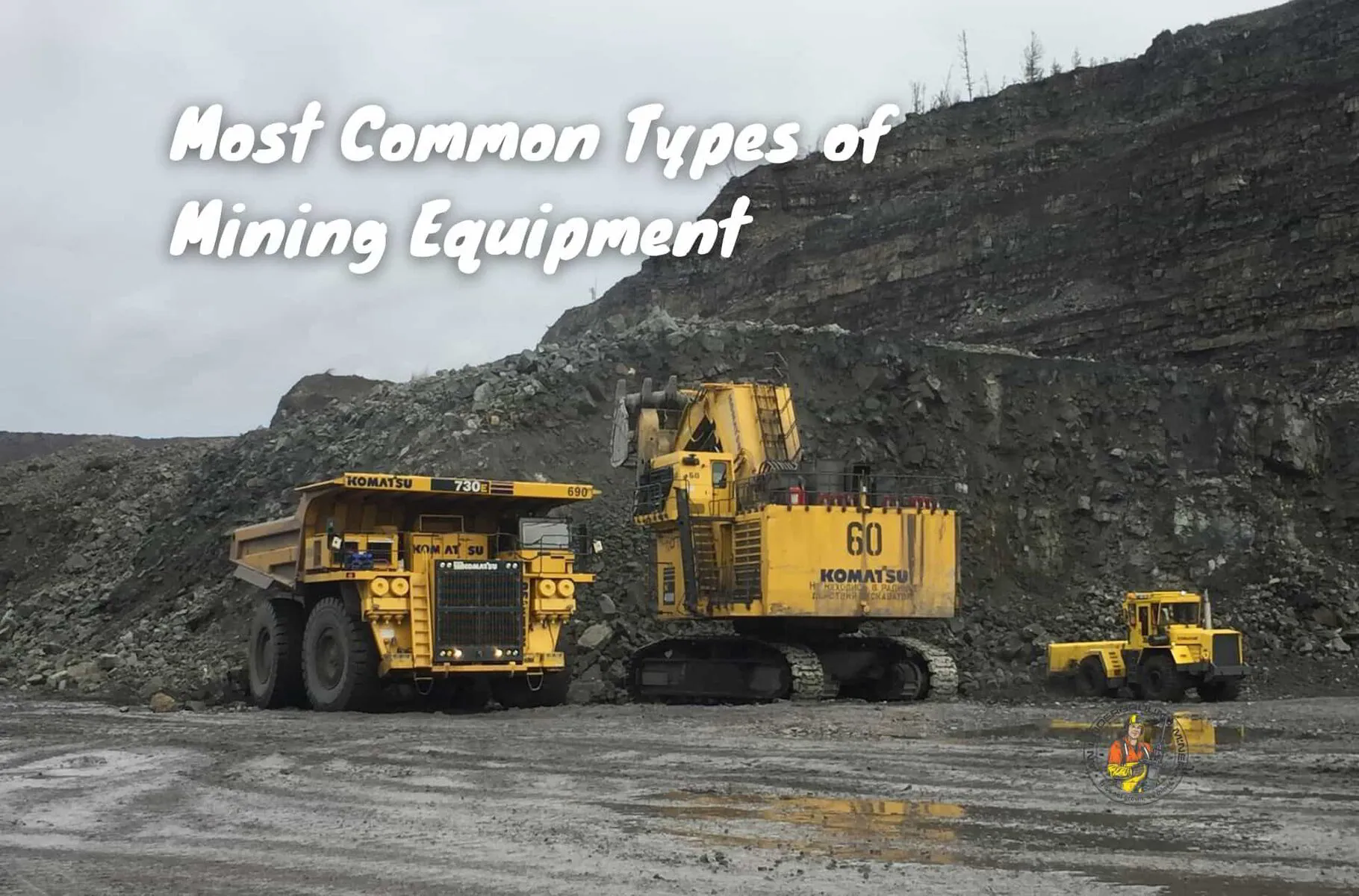
Haul trucks are large vehicles designed to carry heavy loads in mining sites. They move ore, rocks, and other materials from the mining area to processing sites. These trucks are essential for efficient mining operations. Their size and strength allow them to transport massive amounts of material quickly.
Design And Capacity
Haul trucks have a robust frame and powerful engines. They often feature large tires to handle rough terrain. Their beds can carry loads from 40 to over 400 tons. Some models reach heights taller than a double-decker bus. The design focuses on strength, durability, and stability during heavy loads.
Applications In Mining
These trucks work in open-pit and surface mining. They transport excavated rock and ore to crushers or stockpiles. Haul trucks also help move waste material away from mining areas. Their ability to cover long distances quickly improves mining productivity. They operate in harsh environments and challenging terrain.
Advantages And Limitations
Haul trucks offer high payload capacity and strong performance. They reduce the need for many smaller vehicles. This lowers fuel use and operational costs. Their speed helps maintain a steady workflow at mining sites. On the downside, they need wide roads and large spaces. Maintenance can be costly due to their size. They also require skilled operators for safe handling.
Credit: fuchenglhd.com
Loaders
Loaders are vital machines in mining sites. They move large amounts of material quickly and safely. These vehicles make mining work easier and faster. Loaders help carry rocks, dirt, and minerals from one place to another. Their design allows them to handle heavy loads with precision. Understanding different types of loaders helps choose the right one for the job.
Types Of Loaders
There are several types of loaders used in mining. Wheel loaders have large wheels and strong engines. They work well on rough surfaces and carry heavy loads. Track loaders use tracks instead of wheels. They move better on soft or uneven ground. Skid-steer loaders are smaller and very flexible. They handle tight spaces and light tasks. Each type fits a specific mining need.
Role In Material Handling
Loaders pick up and transport materials quickly. They load trucks, dumpers, and crushers. This helps keep the mining process steady and smooth. Loaders also clear debris and level surfaces. Their work supports digging, crushing, and hauling. By moving material efficiently, they reduce delays and increase safety.
Efficiency In Operations
Loaders improve mining efficiency through speed and power. They reduce the need for manual labor. Their strong engines and large buckets move more material at once. Operators can control loaders easily for precise work. This lowers fuel use and cuts operating costs. Well-maintained loaders keep mining projects on schedule.
Drilling Rigs
Drilling rigs are essential vehicles in mining. They create holes in the earth to reach minerals. These rigs support the extraction process by allowing access to underground resources. Different types of drilling rigs suit various mining conditions. Each rig has specific features for surface or underground use.
Surface Drilling Machines
Surface drilling machines work on open mining sites. They drill large holes for blasting rock. These rigs are often mounted on tracks or wheels. This mobility helps them move across rough terrain easily. They use rotary or percussion methods to break rock. Surface rigs come in different sizes for deep or shallow holes.
Underground Drilling Equipment
Underground drilling equipment operates inside mine tunnels. These rigs are smaller and more compact. They fit into narrow spaces underground. They drill holes for blasting or rock support. Some use hydraulic power for precise control. Safety features protect workers in confined areas. These rigs help miners reach hidden mineral deposits.
Technological Advances
Technology improves drilling rig efficiency and safety. Automated systems control drilling speed and depth. Sensors monitor rock conditions in real time. Remote operation reduces risks for workers. New drill bits last longer and cut faster. These advances lower costs and increase productivity. Ongoing innovation shapes the future of mining rigs.
Excavators
Excavators are vital machines in mining operations. They handle digging, moving, and loading materials efficiently. These vehicles come in different types to meet various mining needs. Understanding their features helps choose the right excavator for each task.
Crawler Vs Wheeled Excavators
Crawler excavators move on tracks. They offer strong stability and work well on rough, uneven ground. They are slower but better for heavy-duty digging and tough terrain.
Wheeled excavators use tires. They move faster on flat surfaces and are easier to transport. They work best on hard, smooth ground but are less stable on soft soil.
Uses In Mining Sites
Excavators dig trenches and remove overburden. They load trucks with rocks and minerals. They also help in site preparation and clearing debris. Their versatility makes them essential in mining tasks.
Maintenance Tips
Regularly check hydraulic fluid and engine oil levels. Clean air filters to keep the engine running smoothly. Inspect tracks or tires for damage. Tighten loose bolts and replace worn parts quickly. Proper maintenance extends machine life and reduces downtime.
Bulldozers
Bulldozers are powerful mining vehicles used to move large amounts of soil, rock, and debris. They play a vital role in clearing land and preparing mining sites. Their strength and durability make them essential on rugged terrain. Bulldozers help create paths and level ground for other machines to work safely.
Key Features
Bulldozers have a large, heavy blade at the front. This blade pushes material like dirt and rocks. They use tracks instead of wheels for better grip. This helps them move over rough surfaces without getting stuck. Strong engines give bulldozers the power to handle tough jobs. Operators control the blade height and angle to shape the land.
Terrain Management
Bulldozers perform well on uneven and soft ground. Their wide tracks spread weight evenly, reducing sinkage. They can climb steep slopes and work in muddy conditions. Bulldozers clear obstacles and create smooth surfaces for trucks and other vehicles. These machines make rough mining areas safer and easier to navigate.
Safety Considerations
Safety is crucial when using bulldozers in mining. Operators must wear protective gear and stay alert. Regular equipment checks prevent breakdowns and accidents. Bulldozers have rollover protection to protect drivers. Clear communication with other workers helps avoid collisions. Proper training is essential for safe operation.
Credit: fuchenglhd.com
Conveyor Systems
Conveyor systems are vital in mining operations. They move materials efficiently across long distances. These systems reduce the need for trucks and heavy vehicles. Conveyor belts carry rocks, coal, and minerals smoothly. They help keep mining processes continuous and fast.
Types Of Conveyors
There are several conveyor types in mining. Belt conveyors are common for transporting bulk materials. Roller conveyors work well for heavy loads on flat surfaces. Chain conveyors move large, heavy items in rough terrain. Screw conveyors handle smaller materials in tight spaces. Each type suits different mining needs.
Integration In Mining
Conveyor systems fit into many mining setups. They connect excavation sites to processing plants. Conveyors link crushers, screens, and stockpiles. Automation allows better control and monitoring. This integration lowers labor needs and improves safety on site.
Benefits In Transport Efficiency
Conveyors cut transport time and costs significantly. They run non-stop, unlike trucks that need breaks. Conveyor belts use less energy than vehicles. This lowers overall mining expenses. Materials move steadily, reducing delays and damage. Conveyor systems make mining transport faster and safer.
Underground Mining Vehicles
Underground mining vehicles play a crucial role in mining operations below the earth’s surface. These machines help move materials, transport workers, and perform specialized tasks in tight spaces. They are built to be strong, safe, and efficient in dark, narrow tunnels.
These vehicles must handle tough conditions and heavy loads. They are designed to fit in small areas and keep the mining process smooth. Different types of underground mining vehicles serve specific purposes to keep work going.
Load-haul-dump Machines
Load-Haul-Dump (LHD) machines are key for moving ore and waste. They load materials, haul them through tunnels, and dump the load at designated spots. These vehicles are compact but powerful. Their design helps them work in narrow tunnels with ease. LHDs improve the speed and safety of underground transport.
Personnel Carriers
Personnel carriers transport workers safely to their work sites underground. They are built to protect workers from rough terrain and hazards. These vehicles offer comfortable seating and easy access. Efficient movement of workers helps keep mining operations on schedule. Reliable personnel carriers reduce fatigue and improve safety.
Specialized Equipment
Specialized underground vehicles perform unique tasks. Examples include drilling rigs, bolters, and ventilation machines. Drilling rigs create holes for blasting. Bolters install roof support bolts to prevent collapses. Ventilation machines improve air quality by moving fresh air. These vehicles help maintain safety and increase mining efficiency.
Autonomous Mining Vehicles
Autonomous mining vehicles operate without drivers. They use sensors and software to navigate mining sites. These vehicles perform tasks like hauling, drilling, and loading. They reduce risks to human workers by working in hazardous areas. Mining companies adopt them to increase safety and efficiency.
Technology Behind Automation
Autonomous mining vehicles rely on GPS, radar, and cameras. These tools help vehicles detect obstacles and follow routes. Advanced software processes data in real time. Machine learning improves navigation and decision-making. Remote control centers monitor and manage vehicle fleets.
Impact On Productivity
These vehicles work 24/7 without breaks or fatigue. They maintain consistent speed and accuracy during operations. Mining sites see higher output and lower downtime. Automated vehicles reduce human errors and accidents. Overall, productivity and safety improve significantly.
Challenges And Future Trends
Technical failures and harsh environments pose challenges. High initial costs limit adoption for smaller mines. Cybersecurity risks require strong protection measures. Future trends include better AI and vehicle coordination. Integration with smart mining systems will grow steadily.
Conclusion
Mining vehicles come in many types, each serving a special purpose. They help move earth, rocks, and minerals efficiently. Choosing the right vehicle improves safety and work speed. Understanding these vehicles helps in mining operations and planning. Knowing their roles makes the mining process clearer.
Every vehicle plays a key part in mining success. This knowledge supports better decisions for any mining project.