
Are you curious about the different types of electric vehicles (EVs) and which one might fit your lifestyle best? Understanding the options can feel overwhelming, but it doesn’t have to be.
Whether you’re thinking about buying an EV or just want to know how they work, this guide breaks down the main types in a simple, clear way. By the end, you’ll have a solid grasp of what makes each type unique—and you’ll be ready to make smarter choices for your next ride.
Keep reading to discover which electric vehicle suits your needs perfectly.
Battery Electric Vehicles
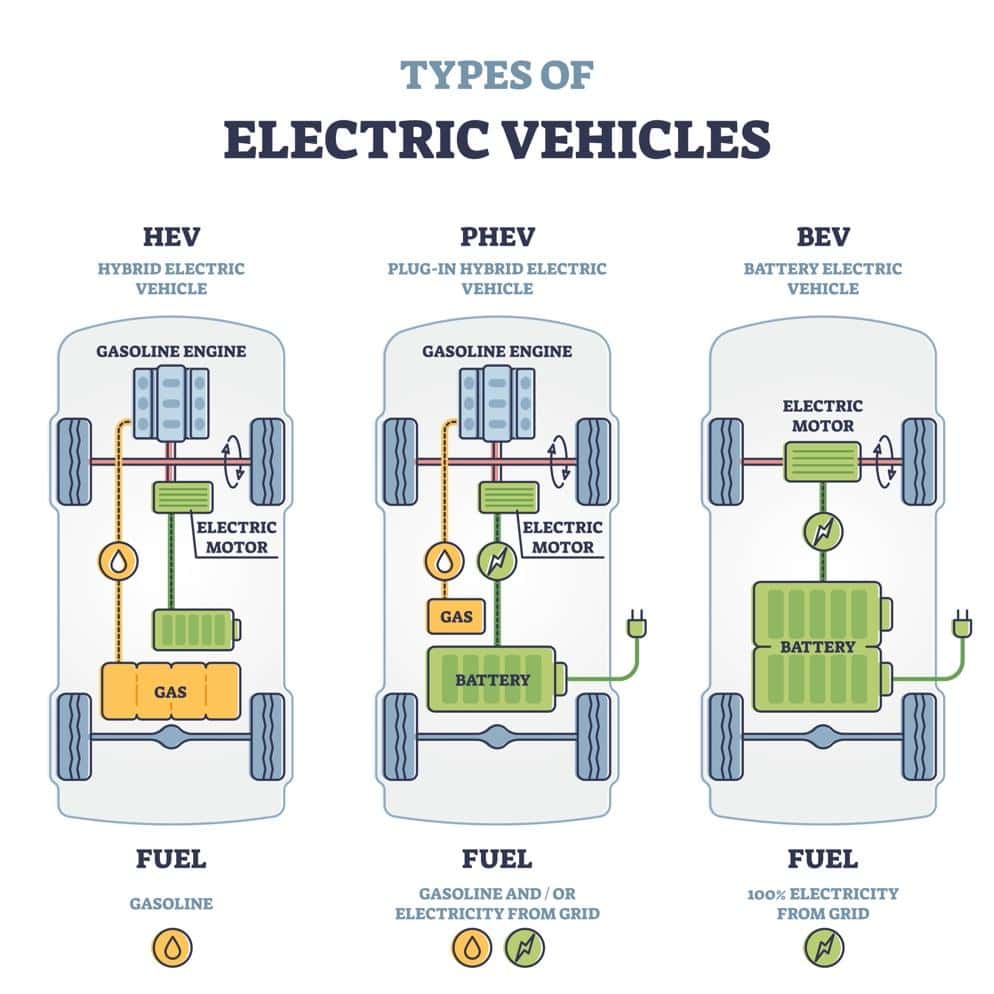
Battery Electric Vehicles (BEVs) run only on electricity stored in batteries. They do not use gasoline or diesel. This makes them cleaner and quieter than traditional cars. BEVs need to be charged using electric power stations or home chargers. These vehicles are becoming more popular as technology improves.
Key Features
BEVs have large batteries that power electric motors. They produce zero tailpipe emissions. Charging time can vary from 30 minutes to several hours. Many models offer good driving ranges on a single charge. They have fewer moving parts, which means less maintenance.
Popular Models
Some well-known BEVs include the Tesla Model 3, Nissan Leaf, and Chevrolet Bolt. The Hyundai Kona Electric and Kia Soul EV are also popular. These models offer different ranges and prices. Buyers can choose based on their needs and budget.
Pros And Cons
BEVs are quiet and have low running costs. They help reduce air pollution. Charging at home is convenient for many users. But charging infrastructure is still growing in some areas. Driving range can be limited compared to gasoline cars. Long trips may require planning for charging stops.
Plug-in Hybrid Electric Vehicles
Plug-in Hybrid Electric Vehicles (PHEVs) combine two power sources: a gasoline engine and an electric motor. They use a rechargeable battery that can be charged from an external power source. PHEVs offer a flexible driving experience by switching between electric power and gasoline.
These vehicles are perfect for drivers who want electric driving but worry about range limits. PHEVs can drive short distances on electric power alone. For longer trips, the gasoline engine takes over, eliminating range anxiety.
How They Work
PHEVs run on electricity stored in a battery. The battery powers an electric motor that drives the wheels. When the battery is low, the gasoline engine starts automatically. This engine can either drive the wheels or recharge the battery.
Drivers can plug the car into a charger to refill the battery. This allows for driving on electric power for short trips. The system switches between electric and gasoline seamlessly during driving.
Top Models
Popular PHEV models include the Toyota Prius Prime, Mitsubishi Outlander PHEV, and the Ford Escape PHEV. These vehicles offer good electric range and fuel efficiency. Each model suits different needs, from city driving to family trips.
Many manufacturers now offer PHEVs to meet growing demand. These models often come with modern features and comfortable interiors. Buyers have a variety of options to choose from.
Advantages And Drawbacks
PHEVs reduce fuel use and emissions on short trips. They can run purely on electricity, which saves money on fuel. The gasoline engine provides peace of mind for longer drives. Charging the battery is easy and can be done at home.
On the downside, PHEVs tend to cost more than regular hybrids. The added battery and electric parts increase the price. They also weigh more, which may reduce fuel efficiency slightly. Charging infrastructure is growing but not yet widespread everywhere.
Hybrid Electric Vehicles
Hybrid Electric Vehicles, or HEVs, combine two power sources. They use a gasoline engine and an electric motor together. This mix helps save fuel and reduce pollution. HEVs charge their batteries using the engine and braking. They do not need to plug in for charging. This makes them easy to use for many drivers.
Technology Basics
HEVs have both an internal combustion engine and an electric motor. The electric motor assists during acceleration and low speeds. The gasoline engine powers the car at higher speeds. Regenerative braking captures energy to recharge the battery. This system improves fuel efficiency and lowers emissions. The car switches between power sources automatically.
Leading Models
Popular HEVs include the Toyota Prius, Honda Insight, and Ford Escape Hybrid. These models are known for reliability and fuel savings. Many offer comfortable rides and modern features. They appeal to drivers wanting better mileage without charging stations. Prices vary but often cost less than full electric cars.
Benefits And Limitations
HEVs save fuel and reduce greenhouse gases. They have longer driving ranges than electric-only cars. No need to plug in makes them convenient for daily use. Lower emissions help protect the environment. Yet, HEVs still rely on gasoline, so pollution is not zero. They have smaller batteries than full EVs. Maintenance can be more complex than regular cars.

Credit: aargoev.com
Fuel Cell Electric Vehicles
Fuel Cell Electric Vehicles (FCEVs) use hydrogen gas to power an electric motor. They produce zero harmful emissions, only water vapor. These vehicles offer a clean alternative to traditional cars. They combine the benefits of electric power with quick refueling times.
Fuel Cell Technology
FCEVs use a fuel cell stack to generate electricity. Hydrogen gas reacts with oxygen from the air inside the fuel cell. This reaction creates electricity, heat, and water. The electricity powers the electric motor that drives the car. Hydrogen tanks store the fuel safely at high pressure. Fuel cells work quietly and efficiently.
Notable Models
Several automakers have developed fuel cell vehicles. The Toyota Mirai is one of the most well-known models. Hyundai offers the Nexo, a popular FCEV with advanced features. Honda also produces the Clarity Fuel Cell. These models showcase the technology’s potential for everyday use.
Strengths And Challenges
FCEVs refuel quickly, usually in under five minutes. They have a longer range than many battery electric vehicles. The only emission is clean water, making them eco-friendly. However, hydrogen stations are still rare in many areas. The cost of hydrogen production and storage remains high. More infrastructure is needed for wider adoption.
Electric Vehicle Charging Types
Electric vehicles need power to run. Charging types help fill the battery. Different chargers work at different speeds. Understanding these types can help you choose the best option for your EV.
Level 1 Charging
Level 1 charging uses a regular home outlet. It supplies about 120 volts of power. This type is the slowest and can take many hours. It is good for overnight charging. Most EVs come with a Level 1 charger.
Level 2 Charging
Level 2 charging uses a special 240-volt outlet. It charges much faster than Level 1. It can fill an EV battery in a few hours. Many homes and public stations offer Level 2 chargers. This type fits daily use and quick top-ups.
Fast Charging
Fast charging uses very high power, 400 volts or more. It can charge an EV to 80% in about 30 minutes. These chargers are common on highways and public stations. Fast charging is great for long trips. It helps reduce wait time significantly.
Credit: goevin.com
Factors To Consider When Choosing An Ev
Choosing the right electric vehicle (EV) requires attention to several important factors. These factors affect daily use, costs, and convenience. Understanding these points helps pick an EV that fits your lifestyle and budget.
Range And Battery Life
Range is how far an EV can travel on a single charge. A longer range suits longer trips without stopping to recharge. Battery life shows how long the battery lasts before it loses capacity. A strong battery means fewer replacements and better value over time.
Charging Infrastructure
Charging options affect how easy it is to recharge your EV. Check for public chargers near home or work. Fast chargers save time compared to slow ones. Home charging setup is also important for daily convenience.
Cost And Incentives
EV prices vary widely depending on the model and features. Look beyond the sticker price to total cost of ownership. Government incentives and tax credits can lower the initial cost. Maintenance and fuel savings add to long-term benefits.
Future Trends In Electric Vehicles
The electric vehicle industry is evolving fast. New technologies and ideas are shaping the future of EVs. These changes will make EVs more useful and popular worldwide.
Better batteries, smarter cars, and growing markets are key parts of this progress. Understanding these trends helps us see where EVs are heading next.
Advancements In Battery Tech
Battery technology is improving quickly. New batteries last longer and charge faster. This means EVs can travel farther on a single charge. Safer and lighter batteries are also being made. These changes will reduce costs and help more people buy EVs.
Autonomous Evs
Self-driving electric cars are gaining attention. These cars can drive without a human driver. Sensors and cameras help them navigate roads safely. Autonomous EVs may reduce accidents and traffic jams. They can also change how we use cars daily.
Market Growth And Adoption
Electric vehicles are becoming more common worldwide. Governments support EVs with incentives and rules. Car makers produce more models to meet demand. Charging stations are expanding in cities and highways. This growth makes EVs easier to own and use every day.
Credit: www.alectra.com
Conclusion
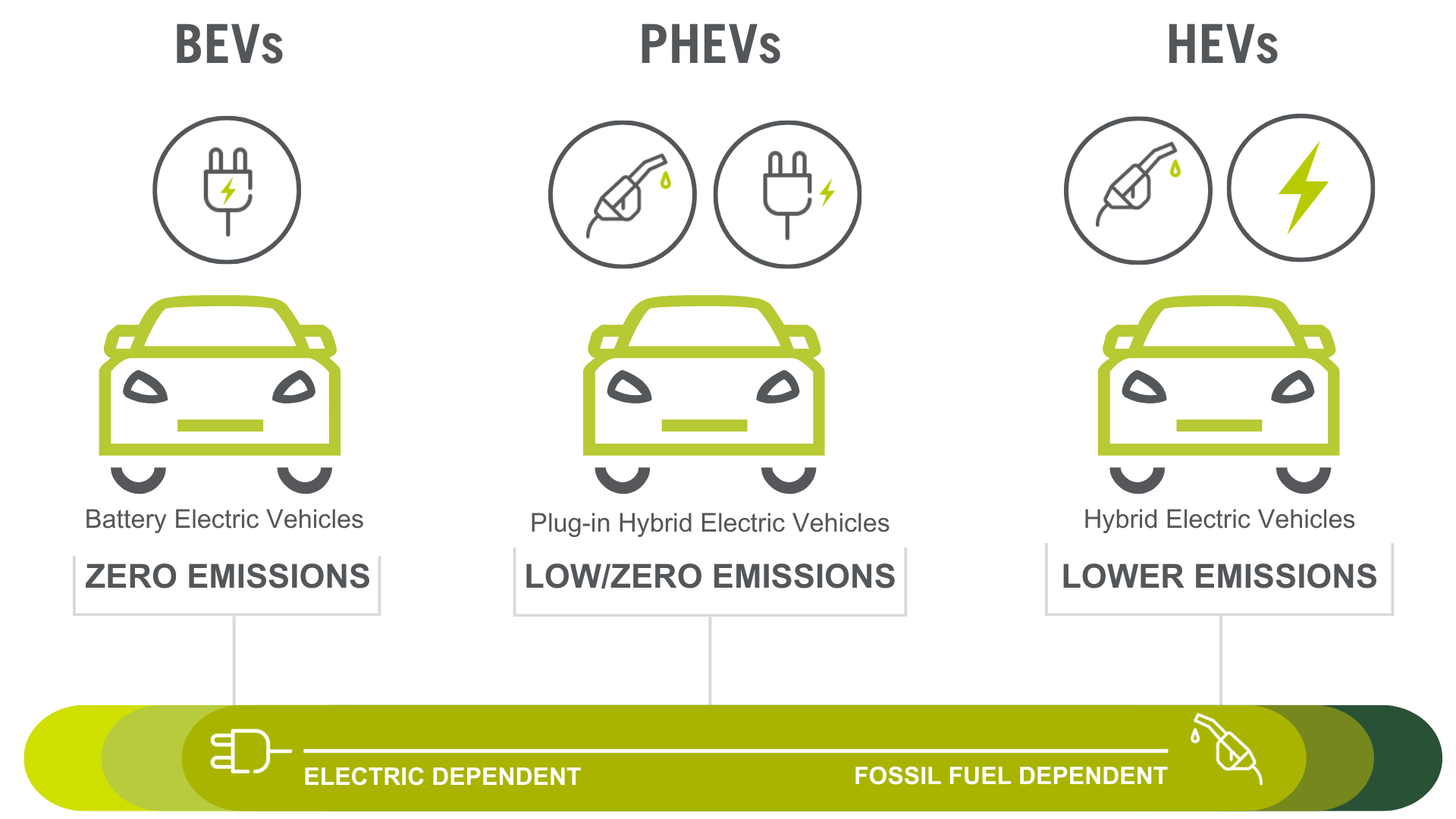
Electric vehicles come in different types to suit varied needs. Some run fully on batteries, while others mix gas and electric power. Each type offers unique benefits and uses. Choosing the right EV depends on your driving habits and goals.
As technology improves, EVs become more affordable and practical. They help reduce pollution and save fuel costs. Understanding EV types helps you make smart choices for the future. The shift to electric driving grows stronger every day. A cleaner, greener world is closer than ever.