
Have you ever wondered how many types of vehicles are around you every day? From the cars you drive to the buses you ride, vehicles come in many shapes and sizes.
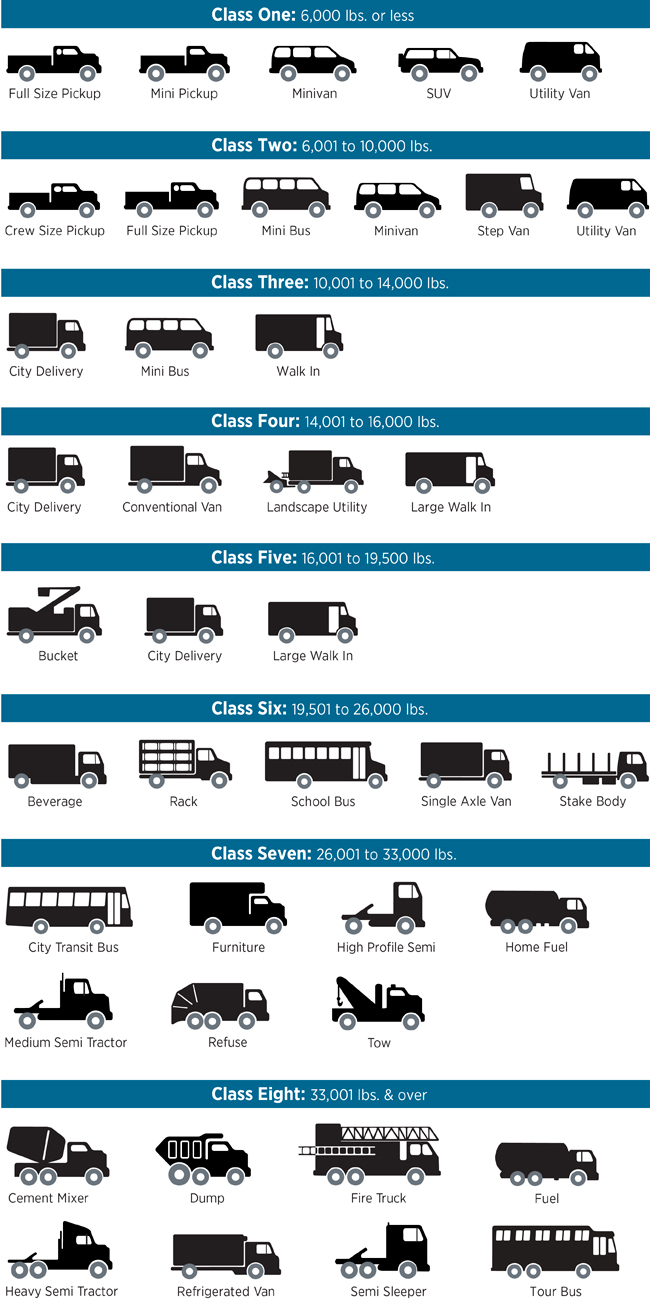
Knowing the different types can help you understand your options better, whether you’re planning a trip, buying a new ride, or just curious about the world of transportation. You’ll discover the main categories of vehicles and what makes each one unique.
Keep reading to find out which vehicle fits your needs and lifestyle perfectly.
Credit: afdc.energy.gov
Passenger Cars
Passenger cars are the most common vehicles on the road. They are designed to carry people comfortably and safely. These cars come in different styles. Each style fits different needs and tastes.
Sedans
Sedans are classic four-door cars. They offer good space for passengers and luggage. Sedans are great for families and daily use. They have a separate trunk for storage. Many people prefer sedans for their smooth ride.
Hatchbacks
Hatchbacks have a rear door that opens upwards. This design makes loading and unloading easier. Hatchbacks are usually smaller than sedans. They are perfect for city driving and parking. Their flexible space suits small families or singles.
Coupes
Coupes are sporty cars with two doors. They look stylish and often have a sleek design. These cars focus more on style and performance. Coupes usually have less space for passengers. Many choose coupes for a fun driving experience.
Convertibles
Convertibles have a roof that folds down. This lets drivers enjoy open-air driving. Convertibles come in two-door and four-door versions. They are popular in warm climates and summer months. Driving a convertible feels free and exciting.
Sport Utility Vehicles
Sport Utility Vehicles, or SUVs, blend the power of trucks with the comfort of cars. They offer space, strength, and style for many drivers. SUVs can handle rough roads and city streets with ease. This versatility makes them popular worldwide.
Different types of SUVs meet different needs. Some are small and easy to park. Others are large with room for many passengers. Each type has unique features and benefits.
Compact Suvs
Compact SUVs are small and fuel-efficient. They fit well in tight city spaces. These vehicles offer good cargo space for their size. Drivers like their easy handling and lower costs. Compact SUVs are great for daily driving.
Mid-size Suvs
Mid-size SUVs offer more space than compact ones. They balance passenger comfort and cargo room well. These SUVs often include advanced safety features. Families prefer them for road trips and errands. They provide a smooth ride on highways and rough roads.
Full-size Suvs
Full-size SUVs are large and powerful. They have space for seven or more passengers. These vehicles handle heavy loads and tough terrain. Full-size SUVs often come with strong engines. They suit big families and outdoor adventures.
Trucks And Pickups
Trucks and pickups play a key role in daily work and transport. These vehicles carry heavy loads and handle tough jobs. They come in many types, suited for different needs. Understanding these types helps choose the right truck.
Light-duty Trucks
Light-duty trucks are smaller and easier to drive. They carry lighter loads and use less fuel. These trucks are good for small businesses and personal use. They balance power and comfort well. Many families prefer light-duty pickups for their size and utility.
Heavy-duty Trucks
Heavy-duty trucks are built for tough tasks. They haul big loads and tow heavy trailers. These trucks have stronger engines and frames. They are common in construction and farming. Heavy-duty pickups offer more power but use more fuel. They suit people who need strength and durability.
Crew Cab Vs Regular Cab
Crew cabs have two rows of seats for more passengers. They provide extra space and comfort for families or work crews. Regular cabs have only one row and less space. They focus on cargo space and lighter weight. Crew cabs suit those needing more seating. Regular cabs are better for cargo and tight parking.
Credit: www.researchgate.net
Motorcycles And Scooters
Motorcycles and scooters are popular choices for many riders. They offer freedom, fun, and easy travel in busy places. Each type has unique features that fit different needs and styles.
Understanding the types helps you pick the right one. Let’s explore some common kinds of motorcycles and scooters.
Standard Motorcycles
Standard motorcycles are simple and versatile. They have a comfortable seating position. Riders sit upright, which is good for city rides and short trips. These bikes are great for beginners. They handle well on different roads.
Cruisers
Cruisers have a low seat and long wheelbase. They look classic and often have a lot of chrome. These bikes are made for relaxed rides. Riders enjoy the smooth, easy ride on highways. Cruisers are perfect for those who want style and comfort.
Sport Bikes
Sport bikes are fast and light. They have a forward-leaning seat position. These bikes focus on speed and agility. Riders use them for quick acceleration and sharp turns. Sport bikes are popular with thrill seekers and racers.
Electric Scooters
Electric scooters are small and easy to use. They run on batteries, so they are eco-friendly. These scooters are great for short distances and city travel. They are quiet, lightweight, and need less maintenance than motorcycles.
Electric And Hybrid Vehicles
Electric and hybrid vehicles offer cleaner alternatives to traditional cars. They reduce pollution and save fuel. These vehicles use new technology to run efficiently. Many people choose them to protect the environment and cut costs.
Battery Electric Vehicles
Battery electric vehicles run only on electricity. They use large batteries to store power. These cars do not use gasoline at all. Charging takes a few hours at home or stations. They produce no tailpipe emissions, which helps the air.
Plug-in Hybrids
Plug-in hybrids combine electric power with gasoline engines. They can run on electricity alone for short trips. When the battery runs low, the gasoline engine starts. Drivers can recharge the battery by plugging in. These vehicles offer flexibility and lower fuel use.
Hybrid Electric Vehicles
Hybrid electric vehicles use both a gasoline engine and electric motor. The electric motor assists the engine to save fuel. The battery charges itself through braking and engine power. These cars do not need to be plugged in. They provide better mileage than regular cars.
Commercial Vehicles
Commercial vehicles play a key role in business and transportation. They help move goods and people efficiently. These vehicles come in different sizes and designs. Each serves a special purpose in the commercial world.
Vans
Vans are small to medium-sized commercial vehicles. They carry goods or passengers in cities and towns. Vans are easy to drive and park. Many businesses use vans for deliveries and service calls. Their size makes them perfect for tight urban spaces.
Buses
Buses transport large groups of people at once. They serve schools, cities, and tour companies. Buses come in many types, like city buses and coaches. They help reduce traffic and pollution. Buses also provide affordable travel for many people.
Delivery Trucks
Delivery trucks carry goods over short or long distances. They come in many sizes, from small pickups to big rigs. These trucks support online shopping and retail stores. Their job is to get products quickly and safely to customers. Delivery trucks keep the economy moving every day.
Specialty And Off-road Vehicles
Specialty and off-road vehicles serve unique purposes beyond everyday driving. They handle rough terrains and tough conditions. These vehicles are designed for adventure, work, and sometimes military use.
Each type offers a distinct experience and capability. Some are small and agile, while others are large and powerful. They allow exploration of places normal cars cannot reach.
Atvs
All-Terrain Vehicles (ATVs) are small, four-wheeled vehicles. They are built for off-road use on trails, dirt, and mud. Riders enjoy their speed and ability to navigate rough ground. ATVs are popular for recreation and farming tasks.
Dune Buggies
Dune buggies are lightweight vehicles made for sandy and rocky areas. They have large tires that help them move on loose surfaces. These vehicles are often used for racing and desert exploration. Their open design offers a thrilling ride.
Military Vehicles
Military vehicles are built for tough missions and harsh environments. They include armored trucks, jeeps, and specialized transport units. These vehicles focus on durability, protection, and off-road mobility. They support soldiers in various terrains worldwide.
Factors To Consider When Choosing
Choosing the right vehicle involves many important factors. Each factor affects how well the vehicle fits your needs. Thinking about these can help you make a smart choice. Focus on what matters most for your daily use and lifestyle.
Fuel Efficiency
Fuel efficiency saves money and reduces trips to the gas station. Cars with better mileage use less fuel for the same distance. This is important for both city driving and long trips. Electric and hybrid vehicles often offer the best fuel economy.
Performance And Power
Performance means how well the vehicle drives and accelerates. Power affects the ability to carry loads and climb hills. Consider the engine size and horsepower based on your driving needs. A small car may be enough for city roads, while trucks need more power.
Safety Features
Safety is a top priority in any vehicle choice. Look for features like airbags, anti-lock brakes, and stability control. Advanced options include lane assist and automatic emergency braking. These features help protect you and your passengers.
Budget And Maintenance
Set a clear budget before shopping for a vehicle. Include the cost of insurance, taxes, and regular maintenance. Some cars cost less upfront but have higher repair costs. Choose a vehicle with affordable parts and service options.
Usage And Terrain
Think about where you will drive most often. City streets, highways, or rough terrain require different vehicles. SUVs and trucks handle rough roads better. Compact cars work well in tight city spaces. Match the vehicle to your daily routes and conditions.

Credit: www.youtube.com
Conclusion
Vehicles come in many shapes and sizes. Each type serves a special purpose. Some carry people, others transport goods. Choosing the right vehicle depends on your needs. Understanding these types helps you make smart choices. Keep learning about vehicles to stay informed.
This knowledge makes travel and transport easier. Explore different options and find what fits you best. The world of vehicles is wide and varied. Keep this guide as a helpful reference.