
Have you ever wondered how some vehicles can travel smoothly on both land and water? Amphibious vehicles are fascinating machines that combine the best of both worlds.
Whether you’re curious about their different types or thinking about how they might fit your adventurous lifestyle, understanding these unique vehicles can open up exciting possibilities. You’ll discover the main types of amphibious vehicles and what makes each one special.
Ready to dive in and explore? Let’s get started!

Credit: www.janes.com
Amphibious Vehicle Basics
Amphibious vehicles are unique machines that travel on land and water. They combine features of cars, trucks, and boats. These vehicles have special designs to move smoothly in both environments. Understanding their basics helps appreciate their usefulness.
Key Features
Amphibious vehicles have watertight bodies to avoid leaks. They use wheels or tracks for land movement. Propellers or water jets help them move in water. Many models have strong engines for tough conditions. They often include special steering systems for water and land. Safety features protect passengers during transitions between surfaces.
Common Uses
Rescue teams use amphibious vehicles to reach flooded areas. Military forces rely on them for quick water and land access. Tour operators offer unique rides in lakes and cities. Farmers use them to cross wetlands and rivers. Some people enjoy amphibious vehicles for fun and adventure. They serve well in places with mixed land and water routes.
Military Amphibious Vehicles
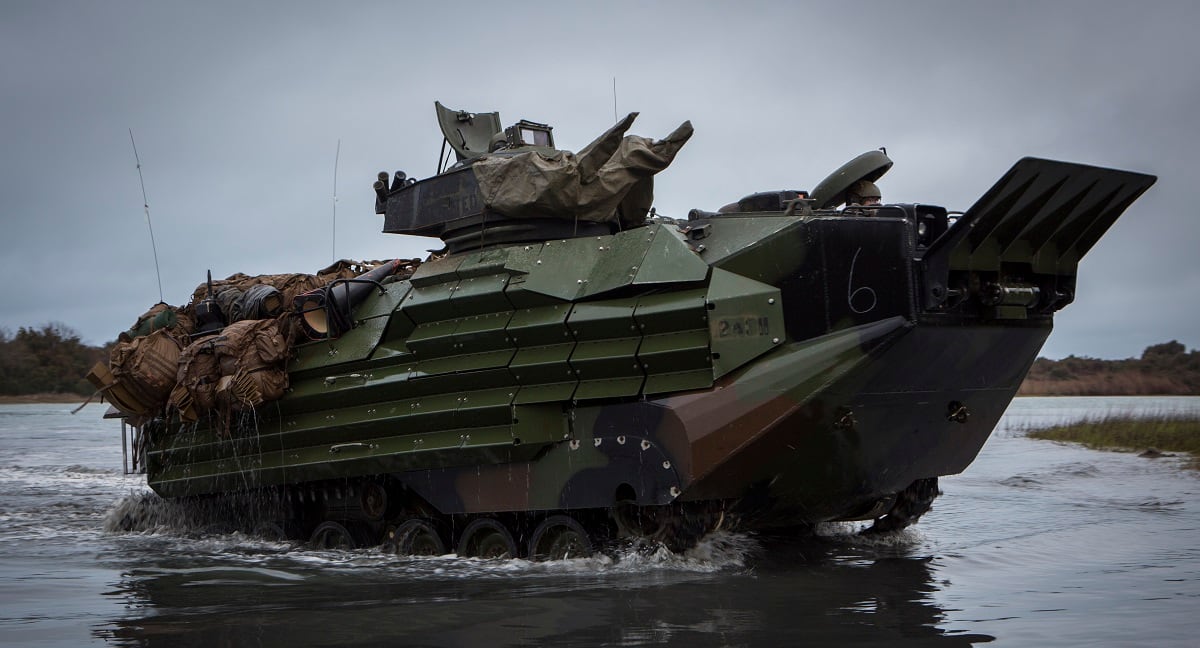
Military amphibious vehicles are designed to operate on land and water. They help troops move quickly across rivers, lakes, and beaches. These vehicles are strong and built for tough conditions. They play a key role in many military missions, making landings and crossings easier and safer.
Different types of military amphibious vehicles serve specific roles. Each type has unique features to fit its mission. Understanding these types helps us see how armies use these vehicles in battle and peacekeeping operations.
Armored Personnel Carriers
Armored personnel carriers, or APCs, transport soldiers safely. They protect troops from bullets and shrapnel. APCs can move on land and water, making them useful in many situations. These vehicles often carry weapons for defense. They allow soldiers to reach the battlefield quickly and protected.
Assault Vehicles
Assault vehicles are built to attack enemy positions. They have strong armor and heavy weapons. These vehicles can cross water obstacles and fight on land. They support infantry during attacks and help break enemy lines. Their speed and firepower make them valuable in combat.
Reconnaissance Craft
Reconnaissance craft gather information about enemy areas. They are fast and stealthy. These vehicles move quietly on land and water. Reconnaissance craft help commanders plan attacks and avoid danger. Their data is vital for successful missions.
Commercial Amphibious Vehicles
Commercial amphibious vehicles serve many practical roles. They operate on land and water, making them useful in diverse settings. These vehicles support business, safety, and construction tasks. Their design focuses on durability and versatility to meet different needs.
Industries benefit from these vehicles by gaining access to areas that are otherwise hard to reach. They help improve efficiency and safety in challenging environments. Below are some common types of commercial amphibious vehicles.
Tourist Boats
Tourist boats offer unique travel experiences on both land and water. They allow passengers to explore cities and waterways without changing vehicles. These boats enhance sightseeing by moving seamlessly between streets and rivers.
Many tourist boats feature open decks for better views. They often operate in popular tourist spots with mixed terrain. Their dual capability attracts visitors and supports local tourism industries.
Rescue And Emergency Vehicles
Rescue amphibious vehicles play a vital role in emergencies. They reach flood zones, swamps, and disaster areas quickly. These vehicles carry rescue teams and equipment across rough terrain and water.
Emergency vehicles help save lives during floods and storms. Their strong build and off-road ability ensure safe and fast response. They are essential for disaster management and relief operations.
Construction And Utility Models
Construction amphibious vehicles handle tasks in wetlands and muddy sites. They transport materials and workers where normal vehicles cannot go. These models often include cranes, loaders, or other tools.
Utility models are designed for tough jobs in difficult conditions. Their amphibious nature allows work in both dry and wet areas. This flexibility reduces delays and improves project success.

Credit: en.wikipedia.org
Recreational Amphibious Vehicles
Recreational amphibious vehicles offer fun on land and water. They let users explore different terrains without switching rides. These vehicles combine the best features of cars, boats, and off-road machines. Many people enjoy them for outdoor activities like fishing, hunting, and sightseeing.
Amphibious Atvs
Amphibious ATVs are four-wheelers that move on water and land. They have special tires or tracks for swimming and driving. These vehicles are great for off-road adventures near lakes or rivers. Their compact size makes them easy to handle and transport. Users can cross shallow water and muddy paths with ease.
Personal Watercraft
Personal watercraft also come in amphibious versions. These small boats can travel on water and roll onto land. They usually have wheels that retract or fold when in water. People use them for quick trips on lakes or beaches. They combine the speed of a jet ski with land mobility.
Amphibious Cars
Amphibious cars look like regular cars but can float and drive on water. They have sealed bodies and water propulsion systems. These cars are perfect for coastal areas and riverside towns. Drivers can switch between road and water modes smoothly. They offer a unique experience for everyday travel and fun trips.
Design And Engineering Variations
Amphibious vehicles show a wide range of design and engineering styles. These differences help the vehicles perform well on both land and water. Designers choose specific features based on the vehicle’s purpose and environment. This section explores key variations in hull types, propulsion systems, and materials.
Hull Types
The hull shape affects water movement and stability. Flat-bottom hulls offer good stability on calm water but less speed. V-shaped hulls cut through waves easily, improving speed and control. Some amphibious vehicles use pontoon-style hulls to increase buoyancy. Each hull design balances between water efficiency and land performance.
Propulsion Systems
Propulsion varies depending on terrain and speed needs. Wheels and tracks provide traction on land. Water propulsion often uses propellers, water jets, or paddle wheels. Some vehicles switch between wheels and water jets automatically. Efficient propulsion ensures smooth transition from land to water.
Material Choices
Materials impact weight, durability, and corrosion resistance. Aluminum is light and resists rust well. Steel offers strength but can be heavy and prone to corrosion. Modern amphibious vehicles use composites like fiberglass for light weight and durability. Material choice affects vehicle lifespan and maintenance needs.
Credit: www.marinecorpstimes.com
Future Trends In Amphibious Rides
The future of amphibious rides is exciting and full of new technology. These vehicles will become cleaner and smarter. They will change how we explore water and land. Advances in electric power and automation will improve performance and safety. This will make rides smoother and more eco-friendly. Many companies are already working on these trends. The goal is to create vehicles that work well on land and water without harming the environment.
Electric And Hybrid Models
Electric and hybrid amphibious vehicles reduce pollution and noise. They use batteries or a mix of fuel and electric power. This helps cut down on harmful gases. Electric motors provide smooth and quiet rides on water and land. Hybrid systems improve fuel efficiency and extend travel range. These vehicles are easier to maintain and cheaper to run. Many models focus on energy savings without losing power. This trend supports cleaner air and quieter environments near water bodies.
Autonomous Amphibious Vehicles
Autonomous technology is changing amphibious rides. Self-driving systems use sensors and cameras to navigate. They can avoid obstacles and follow set paths. This increases safety for passengers and the environment. Autonomous vehicles can operate in risky or hard-to-reach areas. They reduce the need for human drivers. This technology also allows for precise control on both land and water. Future models will offer more reliable and efficient rides using automation.
Conclusion
Amphibious vehicles serve many uses on land and water. Each type has unique features for different needs. They help in rescue missions, military tasks, and fun adventures. Understanding these vehicles broadens your knowledge about transport options. Exploring their strengths helps you appreciate their design and function.
Amphibious vehicles blend land and water travel smoothly. They show human creativity in solving travel challenges. Keep these types in mind for future transport ideas.