
Are you wondering how to keep the air you breathe clean and healthy? Choosing the right air filter can make a huge difference in your home or workplace.
But with so many types of air filters out there, it’s easy to feel overwhelmed. You’ll discover the main types of air filters and how each one works to protect you and your family. By the end, you’ll know exactly which filter suits your needs best—and how to improve the air quality around you starting today.
Keep reading to find the perfect fit for your space!

Credit: www.smarterhepa.com
Why Air Filters Matter
Air filters play a key role in maintaining clean air indoors. They trap dust, pollen, and other small particles. This helps protect your health and keeps your home fresh. Clean air filters also help your heating and cooling systems work better. Poor air quality can cause allergies and breathing problems. Using the right air filter improves air quality and comfort.
How Air Filters Protect Your Health
Air filters catch harmful particles like dust and mold spores. These particles cause allergies and asthma. Clean air reduces the risk of breathing problems. It helps children, elderly, and people with health issues. Good air filters remove bacteria and viruses too. Breathing clean air means feeling better every day.
Air Filters Improve Home Cleanliness
Dust and dirt settle on furniture and floors. Air filters trap these particles before they spread. This reduces cleaning time and effort. It also protects your electronics from dust damage. Clean filters keep your home cleaner and fresher. They help maintain a healthy living space.
Boosting Hvac Efficiency With Air Filters
Dirty air filters make HVAC systems work harder. This leads to higher energy bills and system wear. Clean filters allow air to flow freely. HVAC systems run smoothly and use less energy. Regular filter changes extend the life of your system. This saves money on repairs and electricity.
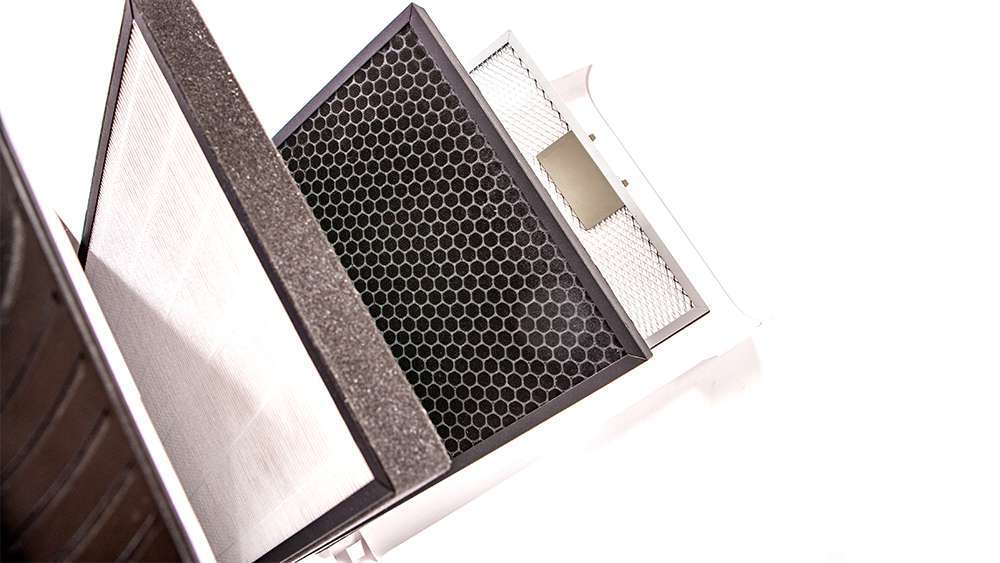
Credit: cielowigle.com
Mechanical Air Filters
Mechanical air filters trap dust, dirt, and other particles from the air. They work by physically blocking particles as air passes through them. These filters help improve indoor air quality and protect HVAC systems. Mechanical filters come in different types, each with unique features and uses.
Fiberglass Filters
Fiberglass filters are the most basic type of mechanical filter. They use layers of fiberglass fibers to catch large particles. These filters are affordable and disposable. They do not capture tiny particles well but work fine for dust and lint. Fiberglass filters need regular replacement to stay effective.
Pleated Filters
Pleated filters have folds that increase the surface area. More surface area means they trap more dirt and particles. These filters catch smaller particles than fiberglass filters. They last longer and improve air flow in HVAC systems. Pleated filters offer better protection for your home’s air quality.
Electrostatic Filters
Electrostatic filters use static electricity to attract dust and pollen. This makes them more efficient at trapping small particles. Some electrostatic filters are washable and reusable. They combine mechanical filtering with electrical charge for better performance. These filters help reduce allergens in the air effectively.
Electronic Air Filters
Electronic air filters clean the air using electrical charges. They remove dust, smoke, and other tiny particles from the air. These filters do not use paper or mesh like regular filters. Instead, they use electricity to trap pollutants. Electronic air filters are quiet and easy to maintain. They work well in homes and offices to improve air quality.
Ionizers
Ionizers release negative ions into the air. These ions attach to dust and pollen. The particles become heavier and fall to the ground. This process helps clear the air without a physical filter. Ionizers are good for reducing allergens and smoke. They need regular cleaning to stay effective.
Electrostatic Precipitators
Electrostatic precipitators use charged plates to capture particles. Air passes through these plates, and particles stick to them. This method traps dust, bacteria, and smoke effectively. The plates must be cleaned often to keep working. Electrostatic precipitators work well in places with high pollution.
Hepa Filters
HEPA filters are popular for cleaning air in homes and offices. They trap very small particles that other filters miss. These filters help reduce dust, pollen, and even some bacteria in the air. There are different types of HEPA filters. Understanding the differences helps you choose the right one.
True Hepa
True HEPA filters meet strict standards. They capture at least 99.97% of particles as small as 0.3 microns. This includes dust mites, pet dander, and smoke. True HEPA filters use dense layers of fibers to trap particles. They are common in air purifiers and vacuum cleaners. These filters improve air quality effectively.
Hepa-type
HEPA-Type filters look similar to True HEPA but are less effective. They do not meet the 99.97% capture rate. These filters catch larger particles but miss smaller ones. HEPA-Type filters are cheaper but less reliable. They work better for general dust control. Avoid using them where high air purity is needed.
Activated Carbon Filters
Activated carbon filters clean air by trapping gases and odors. They use tiny charcoal pieces that absorb harmful particles. These filters are common in homes, offices, and air purifiers.
They help remove smoke, chemicals, and bad smells. Activated carbon filters work well with other filters to improve air quality. Their unique design makes the air feel fresher and cleaner.
How Activated Carbon Filters Work
Activated carbon has many small pores. These pores catch gases and chemicals from the air. It works like a sponge but for air particles. The filter holds onto odors and harmful gases tightly.
Benefits Of Activated Carbon Filters
They remove unpleasant odors effectively. They reduce smoke and chemical smells indoors. These filters improve breathing for allergy sufferers. They also help reduce harmful gases from pollution.
Where To Use Activated Carbon Filters
Common places include kitchens and smoking areas. They are useful in offices and hospitals. Air purifiers often use them for cleaner indoor air. They work well in places with strong odors.
Maintenance Of Activated Carbon Filters
These filters need regular replacement. Over time, they lose the ability to trap gases. Check the filter every few months. Follow the manufacturer’s guide for best results.
Uv Light Air Filters
UV light air filters use ultraviolet light to clean the air. They kill germs and bacteria that regular filters might miss. This type of filter improves air quality in homes and offices.
These filters work by exposing harmful particles to UV light. The light destroys the DNA of bacteria, viruses, and mold spores. This stops them from growing and spreading.
How Uv Light Air Filters Work
UV light filters shine a special light on the air passing through. This light breaks down harmful microorganisms. It does not trap dust or pollen like other filters. Instead, it kills tiny germs in the air.
Benefits Of Uv Light Air Filters
They reduce bacteria and viruses in the air. This helps prevent illnesses and allergies. UV light filters also stop mold growth in air ducts. They work silently and need little maintenance.
Limitations Of Uv Light Air Filters
These filters do not remove dust or large particles. They are best used with other filters for full air cleaning. UV light filters need electricity to work. Some models might need bulb replacement over time.
Choosing The Right Filter
Choosing the right air filter is important for clean air and a healthy home. The right filter removes dust, pollen, and other particles from the air. It also helps your HVAC system run smoothly. Different filters suit different needs. Understanding key factors can make your choice easier.
Filter Efficiency Ratings
Filter efficiency shows how well a filter traps particles. MERV ratings range from 1 to 16. Higher MERV means better filtration. HEPA filters capture tiny particles, best for allergy sufferers. Choose a rating that fits your air quality needs and system.
Maintenance And Replacement
Filters need regular care. Dirty filters block airflow and reduce efficiency. Check your filter every month. Replace it as the manufacturer suggests. Some filters last three months; others need changing monthly. Proper maintenance keeps air clean and system healthy.
Cost Considerations
Filter prices vary by type and quality. Cheaper filters work but may last less. High-quality filters cost more but filter better and last longer. Balance cost with filter efficiency and replacement frequency. A good filter saves money on energy and repairs.
Benefits Of Clean Air
Clean air plays a key role in making indoor spaces healthier and more comfortable. It keeps harmful particles away and improves the overall quality of the air you breathe. Using the right air filters helps maintain this clean air, offering many benefits for your health and home.
Health Improvements
Clean air reduces the risk of breathing problems and allergies. It helps people with asthma or other lung issues feel better. Removing dust, smoke, and germs lowers the chances of sickness. Fresh air supports a stronger immune system and better sleep.
Enhanced Hvac Performance
Air filters protect HVAC systems by trapping dirt and debris. This keeps the system running smoothly and efficiently. Clean filters reduce energy use and lower utility bills. Regular filter changes prevent costly repairs and extend equipment life.
Reduced Allergens And Pollutants
Air filters capture pollen, pet dander, and mold spores. This reduces allergy triggers inside the home. Removing pollutants improves air freshness and comfort. Clean air helps create a safer environment for children and pets.
Credit: www.cobbtuning.com
Conclusion
Choosing the right air filter helps keep your home clean and fresh. Different filters suit different needs and budgets. Some block tiny dust, while others catch bigger particles. Changing filters often keeps air quality high. Clean air supports your health and comfort.
Know your options and pick what fits best. Good air filters make a big difference. Breathe easier every day with the right choice.