Have you ever wondered what makes machines run smoothly and efficiently? The answer often lies in a small but powerful component: the gearbox.
Understanding the different types of gearboxes can help you choose the right one for your needs, whether you’re working on a car, a bike, or industrial equipment. You’ll discover the main types of gearboxes, how they work, and why picking the right type matters for your projects.
Keep reading—this knowledge could save you time, money, and frustration.

Credit: konic-gearbox.com
Common Gearbox Types
Gearboxes play a vital role in machines. They change speed and torque to fit different needs. Various types of gearboxes exist. Each type has unique features and uses. Understanding common gearbox types helps in choosing the right one for any job.
Spur Gearboxes
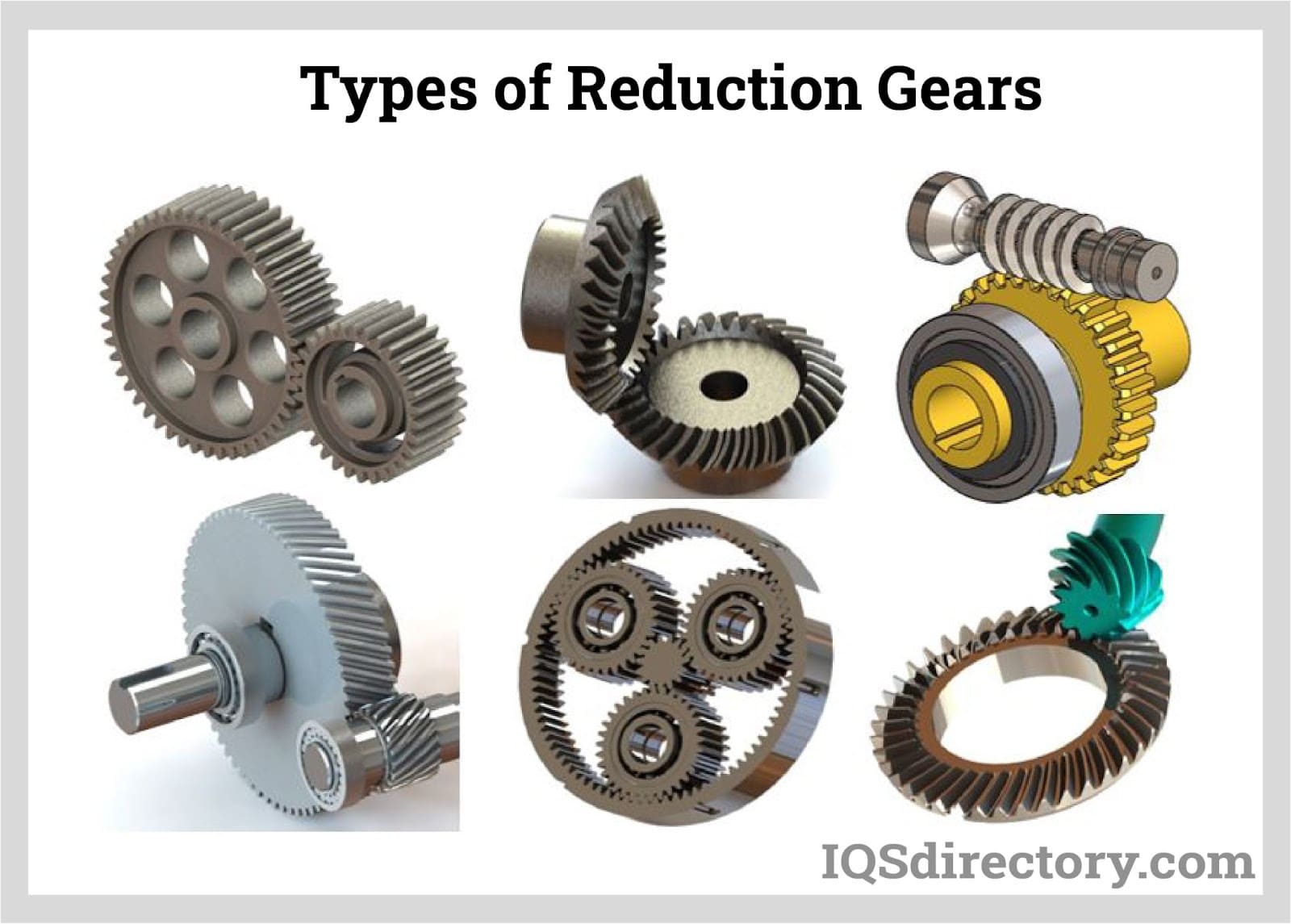
Spur gearboxes use straight teeth on parallel shafts. They are simple and cost-effective. These gearboxes run smoothly at moderate speeds. They are common in many basic machines and tools.
Helical Gearboxes
Helical gearboxes have angled teeth. This design makes them quieter than spur gearboxes. They handle higher speeds and more load. Helical gearboxes are popular in automotive and industrial machines.
Bevel Gearboxes
Bevel gearboxes change the direction of the shaft. They use cone-shaped gears. These gearboxes work well for right-angle drives. They are found in power tools and automotive differentials.
Worm Gearboxes
Worm gearboxes have a screw-like gear called a worm. They provide high torque and low speed. These gearboxes also offer a locking feature. Common uses include conveyors and lifts.
Planetary Gearboxes
Planetary gearboxes have multiple gears around a central gear. This setup distributes load evenly. They are compact and powerful. These gearboxes suit robotics and heavy machinery.
Key Features Of Each Gearbox
Understanding the key features of different gearboxes helps in choosing the right one. Each type offers unique benefits and challenges. These features affect how the gearbox performs in real-world applications. Below are important factors to consider for each gearbox type.
Efficiency And Performance
Efficiency shows how well a gearbox transfers power. Some gearboxes have higher efficiency with less energy loss. Performance depends on the gear design and materials used. Helical gearboxes often run smoother and handle more load. Worm gearboxes may have lower efficiency but offer high torque. Choosing the right gearbox affects machine speed and power.
Durability And Maintenance
Durability means how long a gearbox lasts under use. Gearboxes with strong materials resist wear and tear. Regular maintenance keeps gearboxes working well over time. Some gearboxes need frequent oil changes or inspections. Others are sealed and require less attention. Knowing maintenance needs helps avoid unexpected breakdowns.
Noise And Vibration Levels
Noise and vibration affect comfort and machine life. Helical gearboxes produce less noise due to angled teeth. Spur gearboxes tend to be louder but are simpler in design. Vibration can cause parts to wear faster or loosen. Choosing a quiet gearbox suits environments like offices or homes. Reducing vibration improves machine stability.
Size And Weight Considerations
Size and weight impact where a gearbox fits in a machine. Compact gearboxes save space and reduce overall weight. Large gearboxes may handle more power but take more room. Lightweight gearboxes ease installation and reduce energy use. Select a gearbox that fits both space and load requirements.
Applications For Different Gearboxes
Gearboxes are vital components in many machines. They help control speed, torque, and direction of mechanical power. Different types of gearboxes suit different uses. Understanding their applications helps in choosing the right one.
Automotive Industry
Gearboxes in cars manage engine power to wheels. Manual gearboxes let drivers change gears by hand. Automatic gearboxes shift gears without driver input. Both types improve fuel efficiency and driving comfort. Heavy vehicles use strong gearboxes for tough loads. Electric cars often use simple gearboxes due to different motor needs.
Industrial Machinery
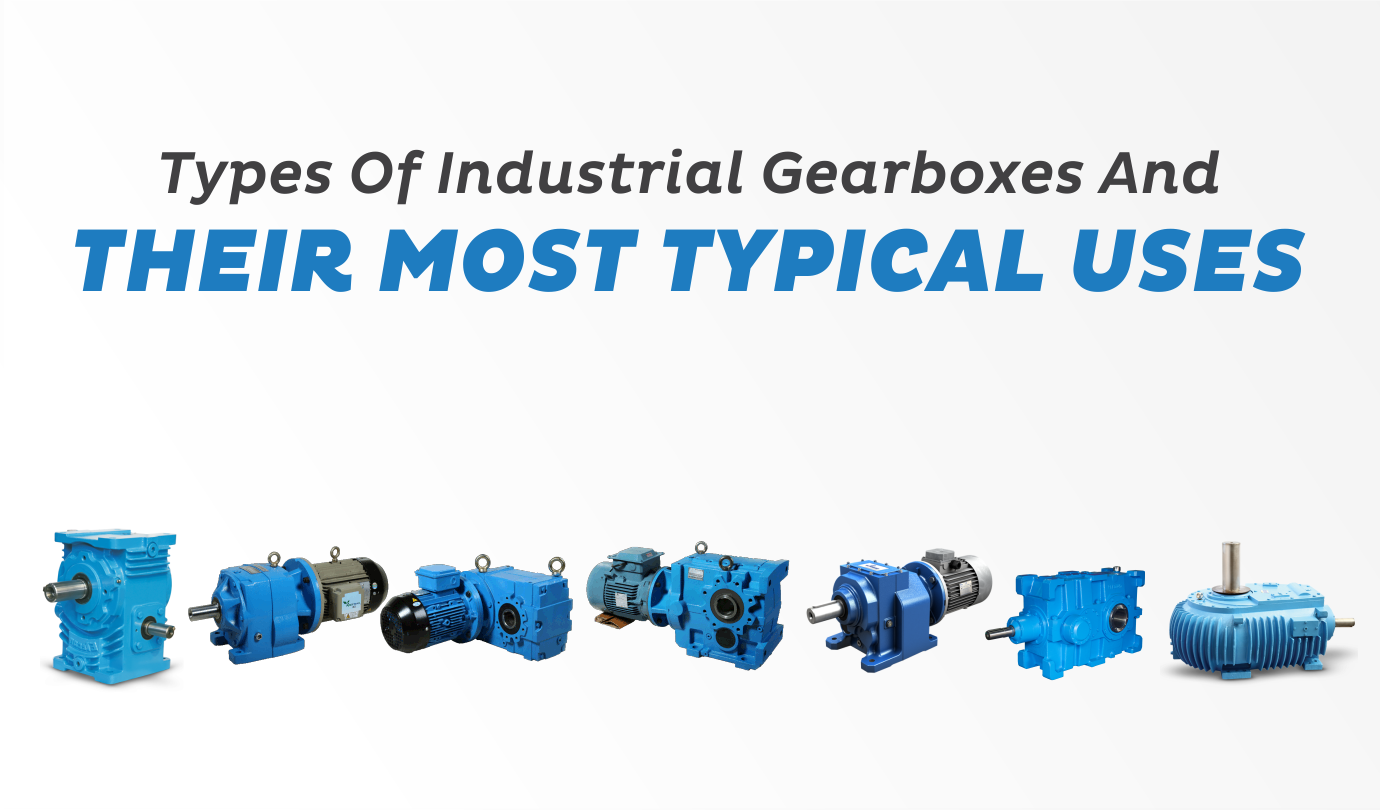
Factories use gearboxes to run machines smoothly. They adjust speed for conveyor belts and mixers. Helical and bevel gearboxes are common here. These gearboxes handle heavy loads and reduce wear. Precision gearboxes help in tasks needing exact movements. Durable gearboxes extend machine life and reduce downtime.
Robotics And Automation
Robots need precise and compact gearboxes. Harmonic and planetary gearboxes provide smooth motion control. These gearboxes help robots move accurately. Small size and high efficiency are key features. They support tasks like assembly, packaging, and welding. Gearboxes in robots boost productivity and precision.
Renewable Energy Systems
Wind turbines use gearboxes to increase rotor speed. This helps generate electricity efficiently. Gearboxes connect slow-turning blades to fast generators. They must be reliable and withstand harsh weather. Solar tracking systems also use gearboxes for panel movement. These gearboxes improve energy capture and system lifespan.
Credit: www.iqsdirectory.com
Factors To Consider When Choosing
Choosing the right gearbox is important for your machine’s performance. Several factors affect the choice. Consider these key points before making a decision. They help ensure the gearbox fits your needs well.
Torque And Speed Requirements
Check the torque your application needs. Torque is the force that turns the gears. Also, consider the speed at which the gearbox must operate. Match the gearbox to your machine’s torque and speed for best results.
Load Capacity
Understand the load your gearbox must handle. Load capacity is the maximum weight or force the gearbox can support. Select a gearbox that can safely carry the load without damage or wear.
Environmental Conditions
Think about the environment where the gearbox will work. Dust, moisture, and temperature can affect gearbox life. Choose a gearbox designed to resist these conditions for long-lasting use.
Cost And Budget Constraints
Set a budget for your gearbox purchase. Balance cost with quality and features. Avoid very cheap gearboxes that may fail soon. Invest in a gearbox that offers good value within your budget.
Emerging Trends In Gearbox Technology
Gearbox technology is evolving quickly. New trends improve performance and durability. These advances help industries save energy and reduce costs. Let’s explore the latest developments in gearboxes that shape the future of machinery.
Advanced Materials
New materials make gearboxes stronger and lighter. Engineers use composites and high-strength alloys. These materials resist wear and heat better than steel. This extends the gearbox lifespan and lowers maintenance needs. Lightweight gearboxes also improve machine efficiency.
Smart Gearboxes With Sensors
Sensors inside gearboxes monitor temperature, vibration, and speed. This data helps detect problems early. Smart gearboxes send alerts before failures occur. This reduces downtime and repair costs. Real-time monitoring improves machine safety and reliability.
Energy Efficiency Improvements
Improved designs reduce energy loss inside gearboxes. Precision gears lower friction and noise. Better lubrication techniques keep parts moving smoothly. These changes save energy and reduce heat build-up. Efficient gearboxes help industries meet green energy standards.
Credit: www.premium-transmission.com
Conclusion
Gearboxes come in many types, each with a special job. They help machines run smoothly and control speed. Choosing the right gearbox depends on the task and machine needs. Knowing their differences helps you make smart decisions. This knowledge saves time and prevents problems.
Understanding gearboxes is useful for many industries. Keep learning to use gearboxes better. Simple, clear choices lead to better results.