If you want to boost your engine’s power and efficiency, understanding the types of turbochargers is key. Turbochargers come in different designs, each with unique benefits that can change how your vehicle performs.
Whether you’re a car enthusiast or simply curious about how your ride can get that extra edge, knowing which turbocharger fits your needs can make all the difference. Keep reading to discover the main types of turbochargers and find out which one could take your driving experience to the next level.
How Turbochargers Work
Turbochargers help engines produce more power without using extra fuel. They do this by pushing more air into the engine. More air means more oxygen. More oxygen allows the engine to burn more fuel. This makes the engine stronger and faster.
Understanding how turbochargers work helps you see why they are popular in cars and trucks. They use energy that would otherwise be wasted to boost engine performance. The process is clever and efficient.
How Exhaust Gases Spin The Turbine
Exhaust gases leave the engine at high speed and heat. These gases flow through the turbocharger’s turbine. The turbine blades catch the fast gases. This makes the turbine spin very quickly. The spinning turbine drives the compressor wheel.
Compressing Air For More Power
The compressor wheel pulls in fresh air from outside. It squeezes the air tightly before sending it to the engine. Compressed air has more oxygen than normal air. More oxygen helps the engine burn fuel better. This increases the engine’s power output.
Cooling The Compressed Air
Compressed air heats up as it is squeezed. Hot air is less dense and has less oxygen. To fix this, many turbo systems use an intercooler. The intercooler cools the air before it enters the engine. Cooler air is denser and improves engine efficiency.
Controlling Turbo Boost Pressure
Too much boost pressure can harm the engine. A device called a wastegate controls this pressure. The wastegate opens to let excess exhaust gases bypass the turbine. This stops the turbine from spinning too fast. It keeps the boost pressure at safe levels.
Credit: turboturbos.com
Single Turbochargers
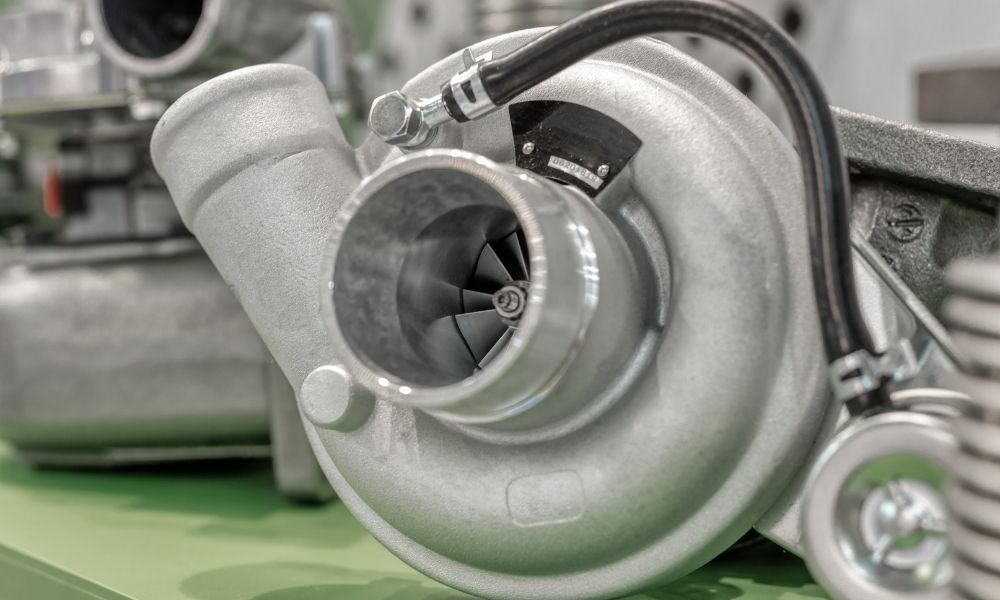
Single turbochargers are the most common type of turbo used in engines. They have one turbine and one compressor. This design makes them simple and cost-effective. Single turbos help increase engine power by forcing more air into the engine. This extra air allows the engine to burn more fuel and produce more power. Many car manufacturers use single turbochargers in their vehicles.
Benefits And Drawbacks
Single turbochargers offer a good balance of power and efficiency. They are easier to maintain due to their simple design. Single turbos are lightweight, which helps improve vehicle performance. They also provide a noticeable boost in engine power. However, single turbos can have turbo lag. This means there is a delay before the turbo starts working after pressing the gas. The lag happens because the turbo needs time to spin up.
Common Applications
Single turbochargers are common in many passenger cars. They are used in trucks to improve towing and hauling power. Sports cars often use single turbos for better speed and acceleration. Some motorcycles and small aircraft also use single turbos. This type suits engines that need moderate power gains without much complexity.
Twin Turbochargers
Twin turbochargers use two separate turbo units to boost engine power. This setup splits the exhaust flow to each turbo, helping the engine breathe better. Twin turbos improve throttle response and reduce turbo lag. They are common in performance and sports cars.
Parallel Twin Turbo
Parallel twin turbos have two identical turbochargers. Each turbo feeds half of the engine’s cylinders. Both turbos work at the same time and speed. This design balances power delivery and reduces lag. It suits V-type engines like V6 or V8.
Sequential Twin Turbo
Sequential twin turbos use two different-sized turbos. The smaller turbo works at low engine speeds for quick boost. The larger turbo kicks in at higher speeds for more power. This setup offers smooth power across all RPMs. It is more complex than parallel systems.
Advantages And Challenges
Twin turbos increase engine power and efficiency. They improve acceleration and reduce turbo lag. They also help smaller engines perform like bigger ones. But, twin turbos add complexity and cost. Proper tuning and maintenance are essential for best results.
Variable Geometry Turbochargers
Variable Geometry Turbochargers (VGTs) are advanced turbo systems designed to improve engine efficiency. They adjust the turbocharger’s turbine geometry to optimize airflow. This adjustment allows the turbo to perform well at different engine speeds.
VGTs use movable vanes inside the turbine housing. These vanes change their angle to control exhaust flow. This control helps reduce turbo lag and boost engine power smoothly.
Mechanism And Operation
The core of a VGT is its adjustable vanes. These vanes open and close based on engine speed and load. At low speeds, the vanes close to narrow the turbine passage. This increases exhaust gas speed and boosts turbine response.
At high speeds, the vanes open to allow more exhaust flow. This prevents excessive pressure and keeps the turbo from over-spinning. A control system moves the vanes using actuators, often controlled by the engine’s computer.
Performance Benefits
VGTs improve engine power across all speeds. They provide quick boost response, reducing turbo lag significantly. This means better acceleration and smoother power delivery.
These turbochargers also enhance fuel efficiency by optimizing air intake. Engines can run cleaner with lower emissions. Overall, VGTs offer a smart way to balance power and efficiency in modern vehicles.
Electric Turbochargers
Electric turbochargers are a new type of turbo that use electric power to boost engine performance. They help engines run better and cleaner. These turbochargers reduce the delay in power delivery seen in traditional turbos. This makes driving smoother and more responsive. Electric turbos combine electric motors with classic turbo parts to improve efficiency.
How They Work
Electric turbochargers use a small electric motor to spin the turbine. This motor can work even when the engine runs slowly. It pushes air into the engine faster than normal. The electric motor gets power from the car’s battery or electrical system. It helps the turbo spin up quickly before exhaust gases do the job. This reduces the lag typical in older turbos. The result is more air in the engine for better combustion and power.
Impact On Engine Response
Electric turbochargers improve engine response time significantly. They provide boost power almost instantly after pressing the gas pedal. The engine feels more lively and reactive. This quick boost helps in overtaking and driving on hills. It also lowers fuel use by making the engine work more efficiently. The electric turbo supports a smooth power curve without sudden jumps. This makes driving easier and more enjoyable.

Credit: www.youtube.com
Compound Turbochargers
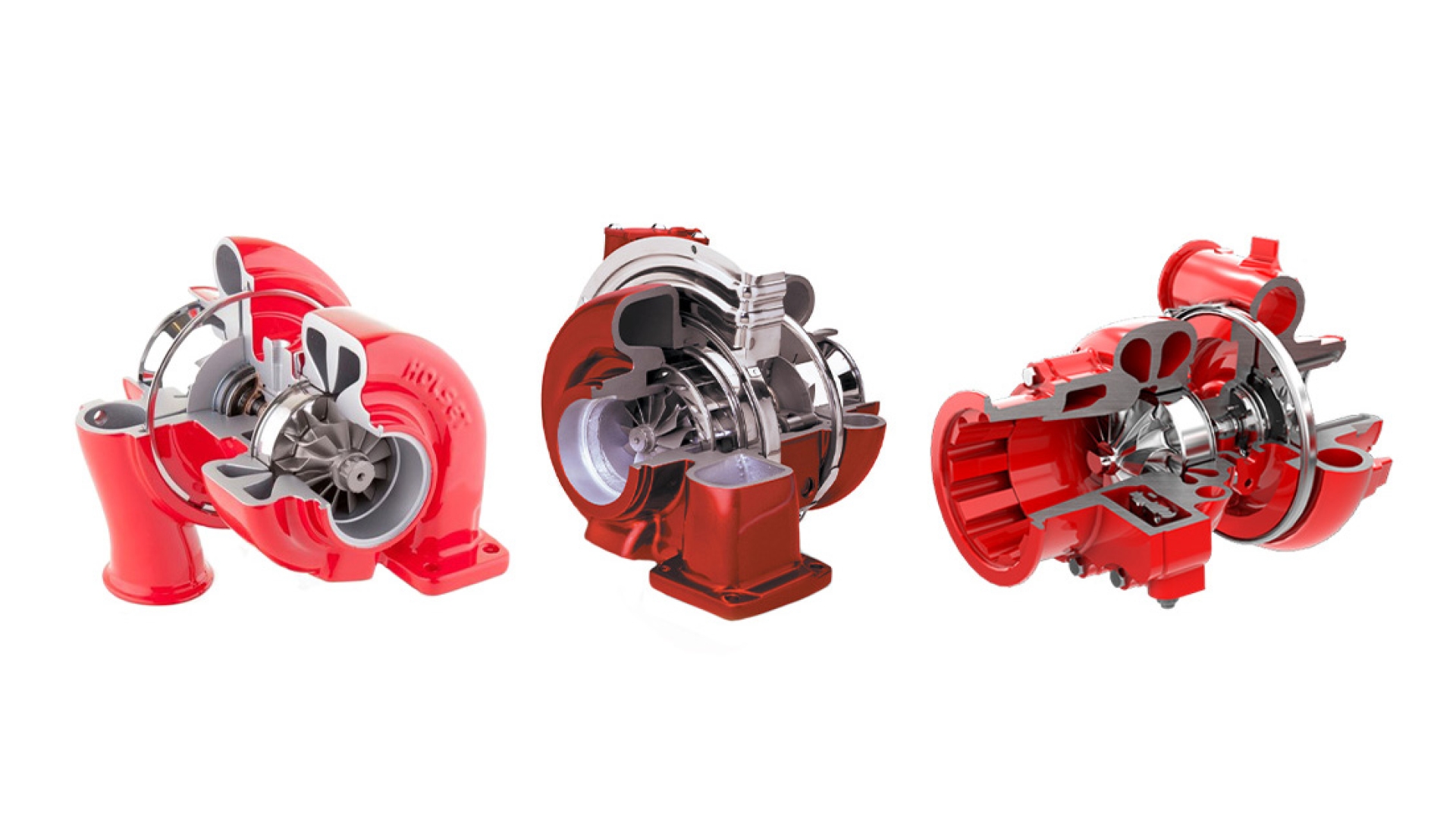
Compound turbochargers combine two turbochargers in a single system. This setup helps engines produce more power efficiently. They work by using a small turbocharger and a larger one together. This design improves boost pressure across a wide range of engine speeds. It reduces lag and increases overall performance. Compound turbochargers are common in heavy-duty trucks and high-performance vehicles. They are ideal for engines needing strong power at low and high RPMs.
Setup And Function
Compound turbochargers use two turbos in series. The small turbo spins first at low engine speeds. It quickly boosts air into the engine. Then, the larger turbo takes over at higher speeds. This setup keeps airflow steady and strong. The small turbo reduces lag by spooling up fast. The big turbo provides high boost for more power. Together, they create smooth and consistent engine response.
Power Gains
Compound turbochargers increase engine power efficiently. They deliver more air to the engine than a single turbo. This extra air means more fuel can burn. The result is higher horsepower and torque. Engines with compound turbos often feel stronger at all speeds. They also maintain power without lag. This system helps trucks carry heavy loads and race cars accelerate faster.
Choosing The Right Turbocharger
Choosing the right turbocharger is important for your engine’s performance and longevity. Picking the wrong type can cause poor results and damage. Consider key factors to make the best choice for your vehicle.
Engine Compatibility
Every turbocharger fits certain engines better than others. Check your engine size and type first. Match the turbocharger’s specifications with your engine’s needs. Using a turbocharger not made for your engine can cause problems. Proper fit ensures smooth operation and better power.
Performance Goals
Think about what you want from your turbocharger. Some boost power quickly for fast acceleration. Others improve fuel efficiency or provide steady power at high speeds. Choose a turbocharger that meets your driving style and goals. This helps you get the best results.
Budget Considerations
Turbochargers vary in price from affordable to very expensive. Decide how much you want to spend before buying. Remember to include installation and maintenance costs. Cheaper options may work but can wear out faster. A good balance between cost and quality is key.
Credit: www.cummins.com
Maintenance Tips For Turbochargers
Turbochargers need regular care to work well and last long. Proper maintenance keeps your engine running smoothly. It helps avoid costly repairs and downtime.
Knowing how to spot problems early makes a big difference. Simple checks can protect your turbocharger from damage. Regular attention ensures better performance and fuel efficiency.
Signs Of Wear
Listen for unusual noises like whining or grinding sounds. These may mean worn bearings or damaged parts. Watch for smoke from the exhaust, which can signal oil leaks. A drop in engine power or slow acceleration can also indicate turbo issues. Look for oil leaks around the turbocharger housing. Early signs help prevent major failures.
Routine Checks
Check oil levels and quality regularly. Clean oil keeps the turbocharger parts lubricated and cool. Inspect air filters to stop dirt from entering the turbo. Replace filters if dirty or clogged. Examine hoses and pipes for cracks or leaks. Tighten any loose connections to avoid air loss. Schedule regular professional inspections for a thorough check. Routine care extends the life of your turbocharger.
Conclusion
Turbochargers come in several types, each with unique benefits. Choosing the right one depends on your engine and driving needs. Single turbochargers are simple and cost-effective. Twin turbos offer better power and efficiency. Variable geometry turbos adjust to different speeds.
Understanding these types helps improve engine performance. This knowledge guides better decisions for your vehicle. Keep your engine running strong and smooth. Explore more about turbochargers to find the best fit.