
When it comes to your car, the battery is one of the most important parts you might not think about—until it fails. But did you know there are different types of car batteries, each designed for specific needs and vehicles?
Understanding these options can save you money, improve your car’s performance, and prevent unexpected breakdowns. You’ll discover the main types of car batteries and learn which one fits your car and lifestyle best. Ready to take control of your car’s power?
Let’s dive in.
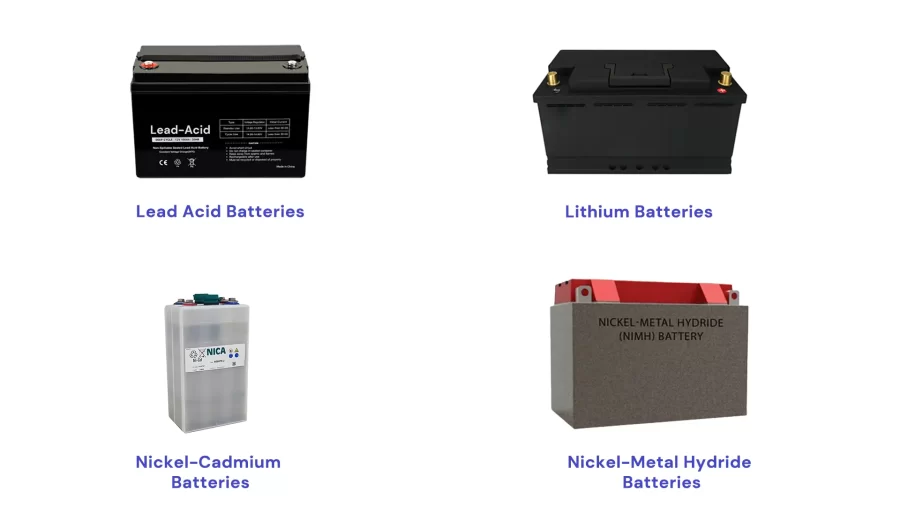
Lead-acid Batteries
Lead-acid batteries are one of the oldest types of car batteries. They have been used in vehicles for over a century. These batteries provide reliable power to start engines and run electrical systems.
Lead-acid batteries are made with lead plates and an acid electrolyte. They store energy through chemical reactions between these components. This type of battery is common in many cars today.
Flooded Lead-acid Batteries
Flooded lead-acid batteries contain liquid acid inside. The acid covers the lead plates completely. These batteries need regular maintenance, like checking water levels.
They release gases during charging. Proper ventilation is important to avoid buildup. Flooded batteries are affordable and easy to recycle.
Sealed Lead-acid Batteries
Sealed lead-acid batteries do not need water refilling. They have valves to release gas safely. These batteries are called VRLA (Valve Regulated Lead Acid).
They are safer and cleaner than flooded types. Sealed batteries work well in tight spaces. They require less maintenance and are spill-proof.
Advantages And Drawbacks
Lead-acid batteries are cost-effective and widely available. They deliver high surge currents for starting engines. These batteries perform well in cold weather.
Drawbacks include heavy weight and lower energy density. Flooded types need regular checks and refilling. Sealed batteries cost more but need less care.
Both types have shorter lifespans than newer battery technologies. Proper use and maintenance can extend their life.
Absorbent Glass Mat Batteries
Absorbent Glass Mat (AGM) batteries are a popular choice for many vehicles today. They use a special design that holds the battery acid in glass mats. This design keeps the acid from spilling, making the battery safer and more reliable. AGM batteries provide steady power and need less maintenance than traditional batteries.
Design And Function
AGM batteries use thin glass fibers to absorb the acid inside the battery. This keeps the acid in place, even if the battery is tilted or shaken. The plates inside are tightly packed, which helps the battery deliver power quickly. AGM batteries are sealed, so they do not leak or need water refills.
Performance Benefits
AGM batteries deliver strong and consistent power. They start engines quickly, even in cold weather. These batteries charge faster and last longer than many other types. They resist vibration and shocks well, making them durable. AGM batteries also have low self-discharge, so they hold their charge when not used.
Common Uses
Many cars use AGM batteries, especially those with modern electronics. They are common in vehicles with start-stop systems to save fuel. AGM batteries also fit well in trucks, SUVs, and motorcycles. Some boats and recreational vehicles use AGM batteries for reliable power. Their safety and strength make them a top choice for many applications.
Lithium-ion Batteries
Lithium-ion batteries have become popular in the car industry. They offer a new way to power vehicles efficiently. These batteries provide higher energy than many older types. Lightweight design helps improve fuel efficiency and vehicle range.
Many car makers now choose lithium-ion batteries for electric and hybrid cars. Their technology keeps improving to meet modern needs. Understanding their chemistry, benefits, and uses helps explain their rise.
Battery Chemistry
Lithium-ion batteries use lithium ions to create electric power. These ions move between the battery’s anode and cathode. This movement produces electrical energy to run the car.
The battery’s cells contain lithium-based compounds that store energy. The design allows for quick charging and discharging. This chemistry makes the battery light and powerful.
Advantages Over Traditional Types
Lithium-ion batteries last longer than lead-acid or nickel-metal hydride types. They have higher energy density, meaning more power in less space. These batteries also weigh less, which helps car performance.
They charge faster and keep power better when not in use. Lithium-ion batteries need less maintenance and have a lower chance of leaking. Safety designs have improved to reduce risks.
Applications In Modern Vehicles
Electric cars mostly use lithium-ion batteries for their energy needs. Hybrid vehicles combine these batteries with gasoline engines for better mileage. Some new models use them in start-stop systems to save fuel.
These batteries also appear in electric bikes and scooters. Their ability to store large amounts of power suits many vehicle types. The trend points to growing use in future car designs.

Credit: m.made-in-china.com
Nickel-metal Hydride Batteries
Nickel-Metal Hydride (NiMH) batteries are common in hybrid cars. They offer a balance between cost and performance. These batteries store more energy than older types and last longer.
NiMH batteries are known for their reliability and safety. They handle many charge cycles well. These qualities make them a popular choice for many car makers.
How They Work
NiMH batteries use a hydrogen-absorbing alloy for the negative electrode. The positive electrode contains nickel oxide hydroxide. When charging, hydrogen ions move between electrodes. This flow creates electrical energy to power the vehicle.
Pros And Cons
NiMH batteries charge faster than lead-acid types. They also have a higher energy density. NiMH batteries are safer because they have less risk of catching fire. On the downside, they are heavier than lithium batteries. They also lose charge faster when not in use.
Typical Vehicle Integration
Many hybrid cars use NiMH batteries for the electric motor. They often work with a gasoline engine. These batteries support start-stop systems and regenerative braking. NiMH batteries fit well in mid-size and larger vehicles.
Calcium Batteries
Calcium batteries are a popular type of car battery designed for better performance. They use calcium alloy plates instead of traditional lead plates. This technology improves several key aspects of the battery.
Technology Features
Calcium batteries contain calcium in the grid plates. This reduces water loss during charging. It also lowers self-discharge rates. The battery remains stronger for longer. These batteries deliver higher resistance to corrosion. This helps maintain consistent power output.
Durability And Maintenance
Calcium batteries last longer than standard lead-acid types. They need less maintenance because water evaporation is minimal. There is no need to add water often. These batteries are less prone to corrosion damage. They perform well in hot weather and cold climates.
Cost Considerations
Calcium batteries cost more than regular lead-acid batteries. The initial price is higher due to advanced materials. Yet, their longer life can save money over time. Reduced maintenance also cuts down expenses. They offer good value for drivers wanting reliable power.
Credit: cmbatteries.com
Choosing The Right Battery
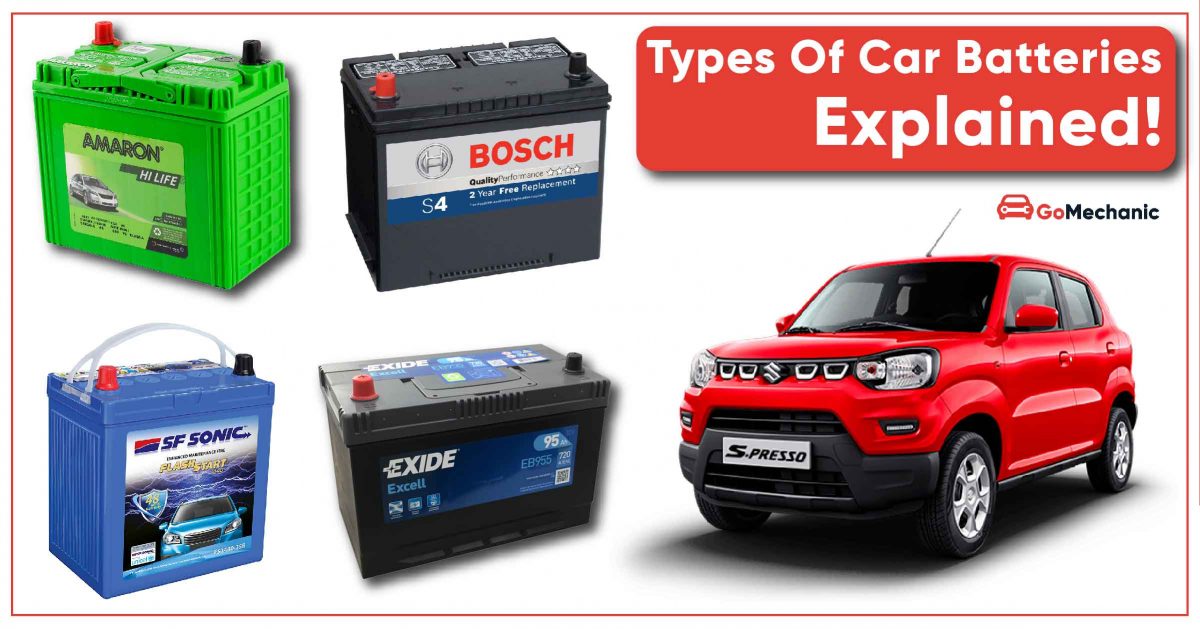
Choosing the right car battery is key for your vehicle’s performance. A good battery ensures your car starts quickly and runs smoothly. Picking the right one saves money and avoids future problems. Understanding important factors helps you find the best battery for your needs.
Factors To Consider
Check your car’s manual for battery recommendations. Match the battery type to your vehicle’s engine size and electrical needs. Look at the battery’s warranty for protection against defects. Consider the battery brand and user reviews for reliability. Safety features and ease of installation also matter.
Battery Size And Capacity
Battery size must fit your car’s battery tray perfectly. Capacity tells how much power the battery can store. Higher capacity suits bigger engines or cars with many electronics. Use the Cold Cranking Amps (CCA) rating to know starting power. Always choose a battery with the right size and capacity.
Climate And Usage Impact
Cold weather demands batteries with higher CCA for easy starts. Hot climates need batteries that resist heat damage. Consider how often and how far you drive. Short trips drain batteries faster. Choose a battery that fits your climate and driving habits for long life.
Battery Maintenance Tips
Proper care extends the life of your car battery. Regular maintenance keeps it working well. It helps avoid unexpected breakdowns and costly replacements. Small efforts make a big difference.
Regular Inspection
Check the battery every month. Look for cracks, leaks, or swelling. Examine the terminals for corrosion or loose connections. Tighten any loose clamps carefully. Early detection of problems saves trouble later.
Cleaning Procedures
Keep the battery clean and dry. Use a mixture of baking soda and water to remove corrosion. Apply it with a soft brush on terminals. Rinse with clean water and dry thoroughly. Avoid getting water inside the battery.
Safe Handling Practices
Always wear gloves and eye protection. Avoid sparks or open flames near the battery. Disconnect the negative terminal first when removing the battery. Handle the battery gently to prevent damage. Store the battery upright in a cool, dry place.
Credit: gomechanic.in
Conclusion
Choosing the right car battery helps your vehicle run smoothly. Each type has its own benefits and uses. Knowing these types saves time and money. Batteries last longer with proper care and use. Always pick a battery that fits your car’s needs.
This keeps your engine strong and reliable. Understanding car batteries makes maintenance easier. Keep your car ready for any journey. Simple knowledge leads to better driving experience.