
Have you ever wondered what makes your car start with just a turn of a key or a simple push of a button? The secret lies in the ignition system, a vital part that gets your engine running smoothly every time.
But did you know there are different types of car ignition systems, each with its own way of sparking life into your vehicle? Understanding these can help you take better care of your car, save money on repairs, and even choose the right vehicle for your needs.
Stick around, because we’re about to break down the main types of car ignition systems in a way that’s simple and easy to grasp. You’ll feel more confident the next time you turn that key or press that start button.
Basic Ignition System
The basic ignition system is the simplest type of car ignition system. It has been used in many older vehicles. This system helps start the engine by creating a spark to ignite the fuel-air mixture. It works with a few key parts that work together to make the engine run.
Components And Operation
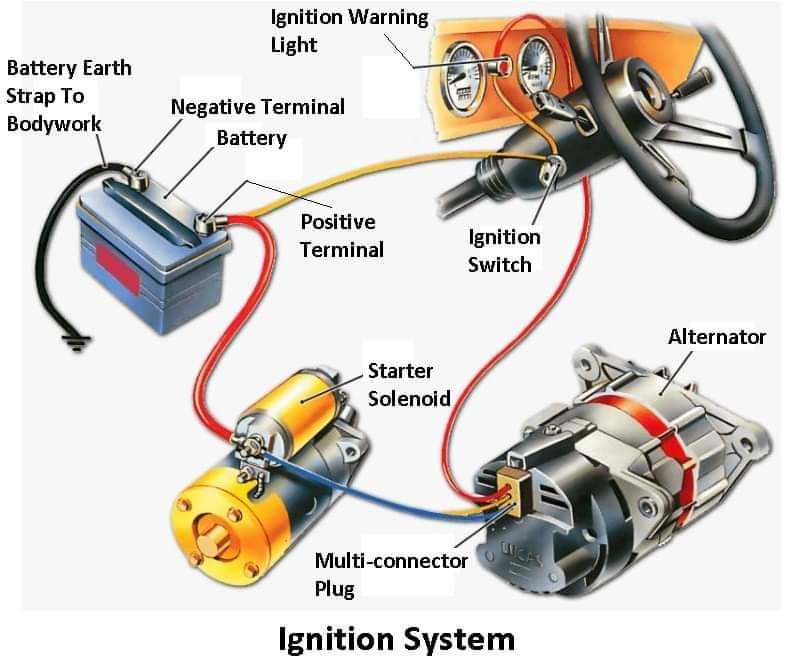
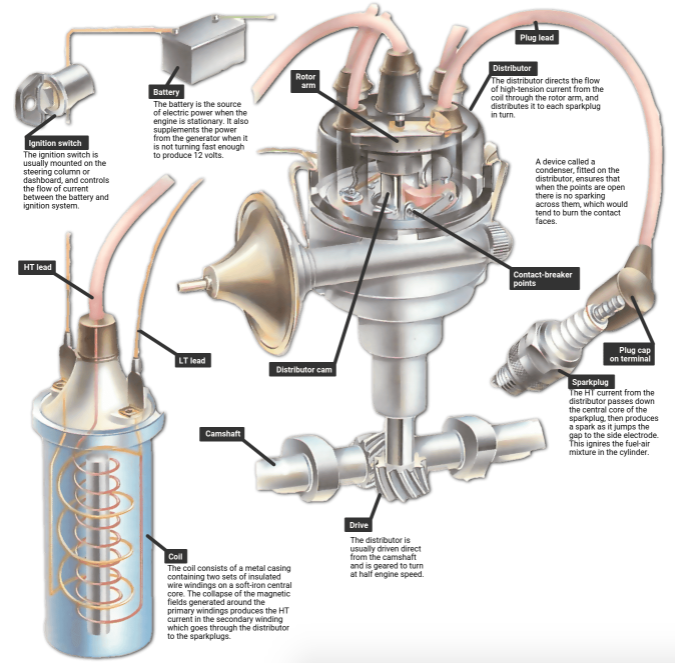
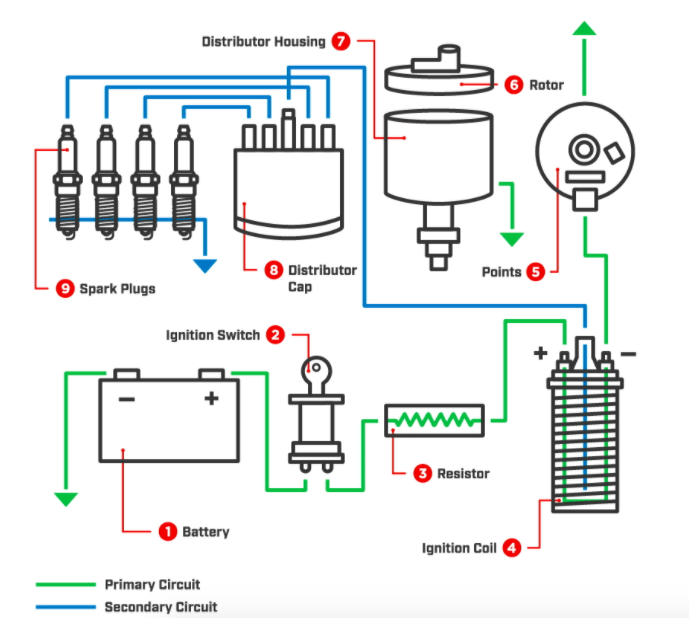
The basic ignition system includes several main parts. These are the battery, ignition coil, distributor, spark plugs, and ignition switch. The battery sends power to the ignition coil. The coil then increases the voltage. The distributor sends this high voltage to the right spark plug at the right time. The spark plug creates a spark inside the engine cylinder. This spark ignites the fuel-air mix and starts the engine.
The ignition switch controls when the system turns on or off. The distributor has a rotating arm that touches points to send voltage to each spark plug in order. This process repeats as the engine runs, keeping the engine firing smoothly.
Advantages And Limitations
The basic ignition system is simple and easy to fix. It uses fewer parts, which lowers repair costs. It does not need complex electronics or computers. This makes it reliable in many conditions.
Its main limitation is less precise timing. The mechanical parts wear out over time and need adjustment. The system also struggles at high engine speeds. It is less efficient and causes more emissions than modern systems. Basic ignition systems are mostly found in older cars, as newer models use advanced systems for better performance and fuel economy.
Credit: boulangerie-saint-honore-noumea.nc
Electronic Ignition System
The electronic ignition system is a modern type of car ignition. It replaces old mechanical parts with electronic components. This change helps the car start faster and run smoother. Many cars today use this system because it is more reliable and needs less maintenance.
How It Works
The system uses sensors to detect the engine’s position. It sends signals to an electronic control unit (ECU). The ECU controls the spark timing precisely. It sends a strong electrical pulse to the spark plugs. This pulse ignites the fuel-air mixture in the engine cylinders. The process happens quickly and with great accuracy.
Benefits Over Traditional Systems
Electronic ignition systems last longer than older systems. They reduce wear and tear because they have no moving parts. Fuel efficiency improves due to better spark timing. Cars start more easily, even in cold weather. Emissions are lower, which is better for the environment. Overall, the system offers better performance and less hassle for drivers.
Distributorless Ignition System
The distributorless ignition system (DIS) is a modern type of car ignition. It replaces the old distributor with electronic controls. This system uses multiple ignition coils. Each coil fires one or more spark plugs directly. This design improves engine efficiency and reduces maintenance needs.
DIS provides precise timing for spark plugs. It helps the engine run smoother. It also reduces harmful emissions. The system is reliable and lasts longer than traditional systems.
Design And Functionality
DIS uses a crankshaft or camshaft position sensor. These sensors send signals to the engine control unit (ECU). The ECU then controls the ignition coils. Each coil sends a spark to specific cylinders at the right time.
This system does not have a distributor or rotor. It uses fewer moving parts. The ignition coils are placed close to the spark plugs. This reduces energy loss and increases spark strength.
Common Applications
DIS is common in modern cars and light trucks. Many manufacturers use this system in gasoline engines. It works well in engines with four, six, or eight cylinders.
This system suits vehicles that need better fuel efficiency. It also fits cars designed to meet strict emission standards. DIS is found in both everyday vehicles and some performance cars.
Keyless Ignition System
The keyless ignition system is a modern car feature that allows drivers to start their vehicles without a traditional key. This system uses a smart key or fob to communicate with the car. Drivers can start the engine by pressing a button inside the car. This method adds comfort and convenience to driving.
Many new cars now come with keyless ignition systems. They reduce the need to insert and turn a physical key. This system also speeds up the process of starting and stopping the car. It fits well with today’s fast-paced lifestyle.
Technology Behind Keyless Start
The keyless ignition system works through wireless signals. The smart key sends a radio signal to the car’s receiver. When the key is nearby, the car allows the engine to start. The system uses encrypted codes to prevent theft. Sensors inside the car detect the key’s presence. This technology ensures only the correct key can start the vehicle.
Safety Features
Keyless ignition systems include several safety measures. The engine will not start without the key inside the car. This prevents unauthorized use. If the key leaves the car while the engine runs, some systems alert the driver. The car may also lock automatically when the key moves away. These features help protect the vehicle and its occupants.
Push Button Ignition
Push button ignition is a modern car feature that replaces the traditional key start. It allows drivers to start their car with a simple press of a button. This system is common in newer vehicles and adds a touch of convenience and style.
Many drivers enjoy the ease and speed of push button ignition. It also enhances car security by requiring the key fob to be inside the vehicle to start the engine.
Operation Mechanism
The push button ignition works with an electronic system. It detects the key fob inside the car. When the driver presses the button, the system sends a signal to the engine to start.
No need to insert a key into the ignition switch. The car’s computer controls the entire process. It checks the car’s status before allowing the engine to run.
User Convenience
Push button ignition saves time and effort. Drivers can start the car with one hand. There is no fumbling for keys in pockets or bags.
The system also allows for quick engine shutdown. This feature is handy in emergencies or when parking. Many users find it easier and more comfortable.
Credit: carfromjapan.com
Smart Key Systems
Smart key systems offer a modern way to start cars without using a traditional key. These systems use wireless technology to detect the key fob near the vehicle. Drivers can unlock doors and start the engine with a simple push button. This adds convenience and reduces the risk of losing or damaging a physical key.
Smart key systems improve the driving experience. They combine ease of use with advanced technology. Many car makers now include these systems as standard features. Understanding how they work helps drivers appreciate their benefits and security features.
Integration With Vehicle Security
Smart key systems connect directly to a car’s security system. The key fob sends a unique code to the vehicle. This code must match the car’s system to allow engine start. It prevents theft by making it hard to start the car without the correct key.
Some systems include alarm activation and immobilizers. These features stop the engine if an unauthorized attempt occurs. The technology also disables the ignition if the key is not detected inside the car.
Future Trends
Smart key systems will become more advanced with new technology. Biometric sensors, like fingerprint or face recognition, may be added. This will increase security and personalization for drivers.
Integration with smartphones is growing. Apps can replace physical key fobs for locking and starting cars. This trend will make smart key systems more flexible and user-friendly.
Choosing The Right Ignition System
Choosing the right ignition system is key to your car’s performance and reliability. Different types offer various benefits and challenges. Knowing what fits your needs helps avoid costly repairs and improves engine start-up.
Focus on what suits your car model and driving habits. The right choice saves time and keeps your vehicle running smoothly. Consider simple factors that impact efficiency and maintenance.
Factors To Consider
Start with your car’s make and model. Some ignition systems fit only specific engines. Check compatibility before making a decision. Think about how often you drive and in what conditions. Harsh weather may need more durable systems.
Cost matters. Some ignition types are cheaper upfront but cost more to maintain. Others have higher initial prices but last longer. Fuel efficiency also plays a role. Certain ignition systems help improve gas mileage.
Maintenance Tips
Keep your ignition system clean and dry. Dirt and moisture cause failures. Regularly check spark plugs and wires for wear. Replace parts early to avoid bigger problems. Use quality replacement parts for longer life.
Routine inspections help catch issues early. Follow the car manufacturer’s service schedule. Proper care ensures your ignition system works well for years. Simple upkeep saves money and hassle later.
Credit: carfromjapan.com
Conclusion
Car ignition systems come in different types, each with its own role. Knowing these types helps you understand how your car starts. Some use keys, while others use push buttons or smart technology. Each system has benefits and limits. Choosing the right one depends on your needs and car model.
Understanding ignition systems also helps with maintenance and repairs. Keep learning to keep your car running smoothly. Simple knowledge can save time and money. Stay curious about car parts—they matter more than you think.