When you take control of a vehicle, how smoothly it responds to your steering can make all the difference. But have you ever wondered what makes that wheel turn so effortlessly?
Understanding the different types of steering mechanisms can give you a clearer picture of how your vehicle works and why some drives feel better than others. Whether you’re curious about cars, bikes, or even heavy machinery, knowing these steering systems can help you make smarter choices and appreciate the technology behind every turn you take.
Let’s dive in and discover the steering mechanisms that keep you on the right path.
Credit: kneblesauto.com
Mechanical Steering
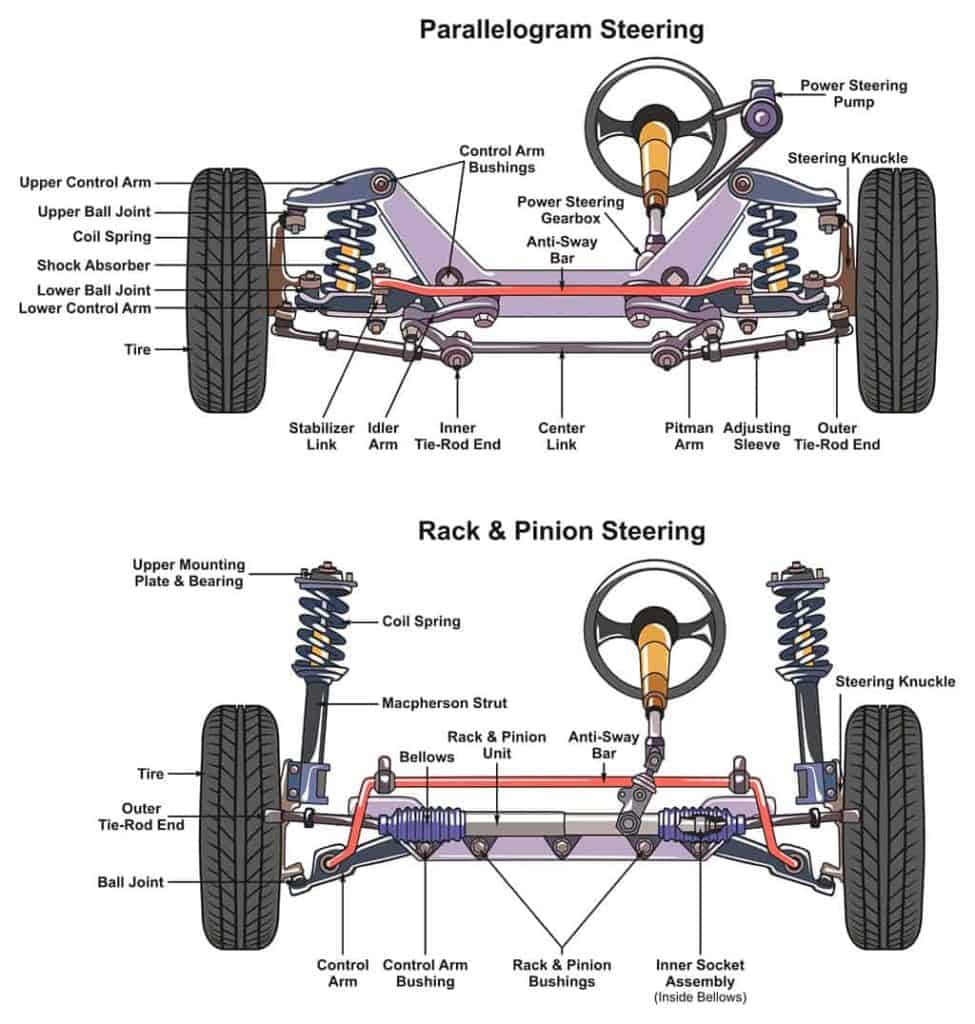
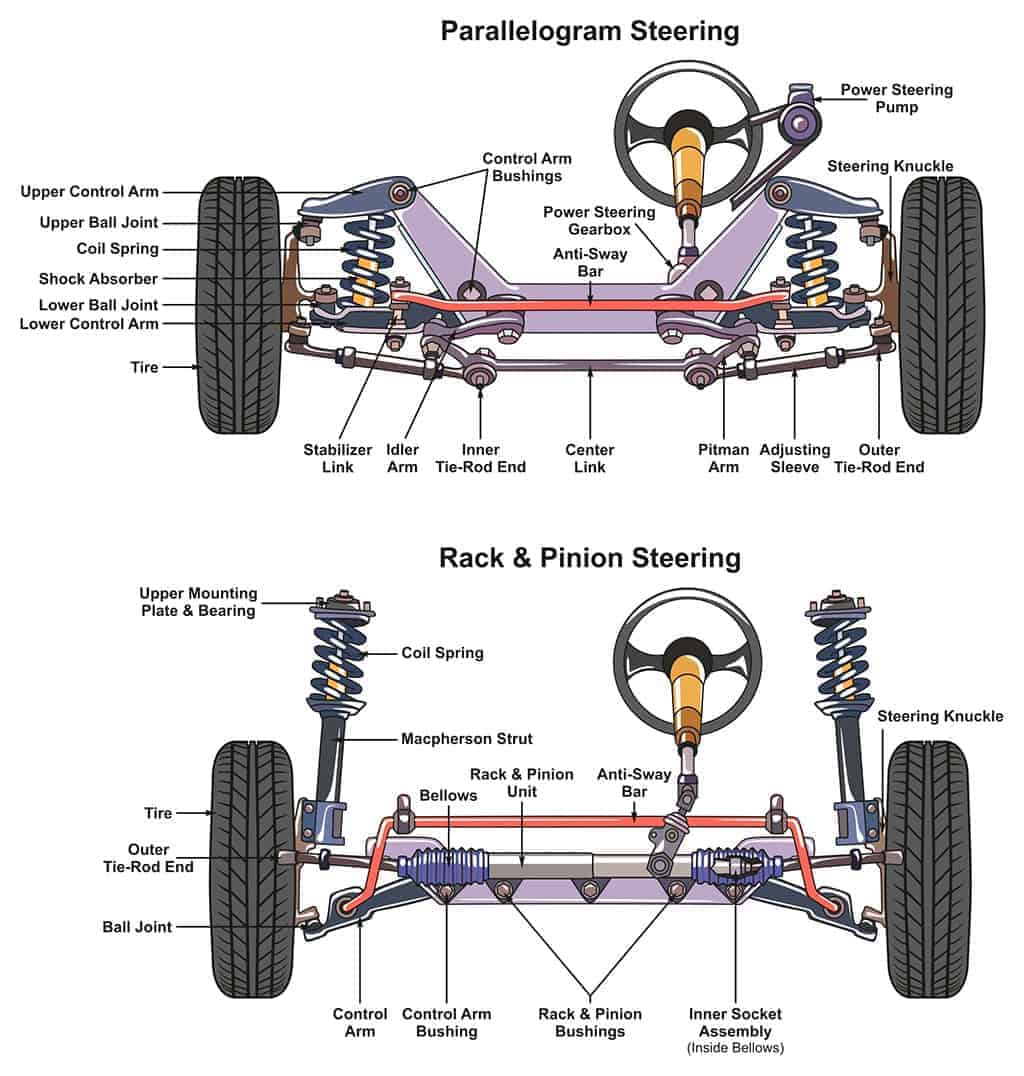
Mechanical steering uses simple parts to control a vehicle’s direction. It works by turning the steering wheel, which moves parts that steer the wheels. This system does not need power assistance, relying on direct physical connections. It is common in older cars and some light vehicles.
Mechanical steering offers clear feedback from the road. Drivers feel the road surface, which helps with control. It is easy to maintain and repair. The system types vary based on how they convert steering wheel movement into wheel motion.
Rack And Pinion
The rack and pinion system uses a round gear called the pinion. This gear moves a flat toothed bar called the rack. Turning the steering wheel spins the pinion gear, sliding the rack left or right. This moves the wheels in the desired direction. This system is precise and common in small cars.
Recirculating Ball
The recirculating ball system uses a box with ball bearings. The steering wheel turns a shaft with a worm gear. The ball bearings reduce friction and help move the gear smoothly. This system is strong and works well in larger vehicles. It requires less effort to steer heavy vehicles.
Cam And Lever
The cam and lever system has a cam attached to the steering shaft. Turning the wheel moves the cam, which pushes a lever. The lever moves the steering linkage to turn the wheels. This system is simple and was used in early cars. It provides basic steering control without complex parts.
Credit: www.team-bhp.com
Hydraulic Steering
Hydraulic steering uses fluid pressure to help turn the wheels. It reduces the effort needed to steer heavy vehicles. This system is common in cars, trucks, and tractors. It provides smooth and easy control over the steering wheel.
The system includes a pump, fluid, and cylinders. The pump moves hydraulic fluid through lines to assist the steering. This makes turning the wheel much easier, especially at low speeds or when stopped.
Hydraulic Power Assist
This type adds power to the steering effort. A pump driven by the engine pushes fluid to help move the steering parts. The driver feels less resistance when turning the wheel. This is useful for larger vehicles or those carrying heavy loads.
The power assist can adjust the force depending on speed. It gives more help during parking or slow driving. At higher speeds, the system reduces assistance for better control.
Hydrostatic Steering
Hydrostatic steering uses a closed hydraulic circuit. It sends fluid from a pump directly to a motor on the steering gear. This setup allows precise control of wheel direction. It is often found in tractors and heavy machinery.
The system offers smooth steering with less wear. It works well in rough conditions and uneven terrains. Operators can make fine adjustments easily with less effort.
Advantages And Limitations
Hydraulic steering improves comfort and control. It requires less physical effort to turn the wheel. The system reacts quickly and smoothly to driver input. It works well for heavy or large vehicles.
Some limits include fluid leaks and pump failure. Regular maintenance is necessary to keep it working well. The system can be more complex and costly than manual steering. Still, it remains a popular choice for many vehicles.
Electric Steering
Electric steering is a modern way to control a vehicle’s direction. It uses electric motors instead of hydraulic parts. This type of steering offers better control and saves energy. Many new cars use electric steering for smoother driving and less effort.
Electric Power Steering (eps)
Electric Power Steering uses an electric motor to help turn the wheels. Sensors detect how much force the driver applies. The motor then adds power to make steering easier. EPS is lighter and more efficient than older hydraulic systems. It also adjusts assistance based on speed, giving better control at all times.
Steer-by-wire Systems
Steer-by-Wire removes the mechanical link between the steering wheel and wheels. Electronic signals control the wheel direction instead. This system allows more precise steering and new car designs. It also improves safety with faster response and fewer moving parts. Steer-by-Wire is a key step toward fully automated driving.
Energy Efficiency Benefits
Electric steering saves energy by using power only when needed. Unlike hydraulic systems, it does not run continuously. This reduces fuel consumption and lowers emissions. Cars with electric steering also have fewer parts to maintain. Energy savings help improve overall vehicle efficiency and reduce costs.
Hybrid Steering Systems
Hybrid steering systems blend different steering technologies. They offer better control and efficiency. These systems are common in modern cars and trucks. They aim to reduce effort and improve driving feel.
Hybrid systems use both electric and hydraulic parts. This mix brings the best of both worlds. They provide smooth steering with less energy use. Let’s explore the main types of hybrid steering.
Electro-hydraulic Steering
Electro-hydraulic steering adds an electric motor to traditional hydraulic systems. The motor helps boost steering force. This reduces the effort needed to turn the wheel. It also improves fuel economy compared to full hydraulic systems.
The system uses sensors to detect steering input. The electric motor then adjusts hydraulic pressure. This creates a smoother and lighter steering feel. Electro-hydraulic systems work well at different speeds and conditions.
Combining Technologies
Hybrid steering combines electric and hydraulic parts in smart ways. Some systems use electric motors for assistance only at low speeds. At higher speeds, hydraulic power takes over for stability. Others mix both continuously for balanced control.
This blend improves safety and comfort. It also saves energy compared to pure hydraulic steering. Hybrid systems adjust instantly to road and driver needs. This makes driving easier and more precise.
Steering Mechanisms In Specialized Vehicles
Specialized vehicles use unique steering systems to handle tough tasks. These vehicles work in tight spaces or rough terrain. They need precise control and flexibility. Different steering mechanisms help them move smoothly and safely. Below are some common types found in these vehicles.
Four-wheel Steering
Four-wheel steering allows the rear wheels to turn. This helps the vehicle make sharp turns easily. It improves stability at high speeds. It also reduces the turning radius. Many trucks and large vehicles use this system for better control.
Crab Steering
Crab steering moves all wheels in the same direction. The vehicle moves diagonally like a crab. This is useful in farming and construction. It helps avoid damage to plants or surfaces. It also makes it easier to move in narrow spaces.
Articulated Steering
Articulated steering splits the vehicle into two parts. The two parts pivot at a joint to steer. This design works well for heavy machinery and loaders. It allows tight turns and better maneuverability on rough ground. Operators can navigate difficult areas with ease.
Factors Influencing Steering Choice
Choosing the right steering mechanism depends on many factors. These factors help match the steering system to the vehicle’s needs. Understanding these elements can guide better decisions for safety and comfort.
Vehicle Type And Size
Different vehicles need different steering systems. Small cars use lighter, simpler mechanisms. Larger vehicles need stronger, more durable steering. Trucks and buses require systems that handle heavy loads.
The size affects the steering effort and precision needed. Compact cars focus on easy turning in tight spaces. Big vehicles need stability and control at high speeds.
Driving Conditions
Road type affects steering choice. City driving requires quick, responsive steering. Off-road vehicles need systems that handle rough terrain and obstacles.
Weather also matters. Wet or icy roads demand precise control. Steering systems must offer safety and reliability in all conditions.
Cost And Maintenance
Budget plays a major role in steering selection. Simple systems cost less and are easier to fix. Advanced systems offer better performance but need more care.
Maintenance frequency and cost vary by steering type. Choosing a system with affordable upkeep saves money over time. Reliable parts reduce repair needs and downtime.
Future Trends In Steering Technology
The future of steering technology is moving fast. Cars will steer with more help from computers and smart systems. This change will make driving safer and easier.
New steering methods will respond better to road conditions and driver needs. Technology will allow cars to steer themselves in many situations. This will change how people drive and use vehicles.
Autonomous Vehicle Steering
Autonomous vehicles use sensors and cameras to steer. They do not need a driver to control the wheel. These cars can detect obstacles and choose the best path. They adjust steering smoothly and safely on highways and city streets. Autonomous steering reduces human errors and improves road safety.
Smart And Adaptive Systems
Smart steering systems learn from driving habits and road types. They change steering effort based on speed or weather conditions. Adaptive systems can make steering lighter in parking and firmer at high speeds. These systems help drivers feel more control and comfort. They also assist in emergency maneuvers to avoid accidents.
Credit: kneblesauto.com
Conclusion
Steering mechanisms help control vehicle direction safely and smoothly. Different types suit various vehicles and uses. Each system has unique parts and ways to work. Understanding them helps choose the right steering for your needs. Simple designs offer ease, while complex ones give better control.
Knowing these basics improves driving comfort and safety. Keep learning about steering to stay informed and confident on the road.