
Are you looking to upgrade your car’s wheels but feel overwhelmed by all the choices? Understanding the different types of alloy car wheels can make a big difference in how your vehicle looks and performs.
Whether you want better style, improved handling, or enhanced durability, knowing which alloy wheel suits your needs is key. You’ll discover the main types of alloy car wheels and how each one can impact your driving experience. Keep reading to find the perfect match for your ride and make a confident choice that you’ll be proud of.
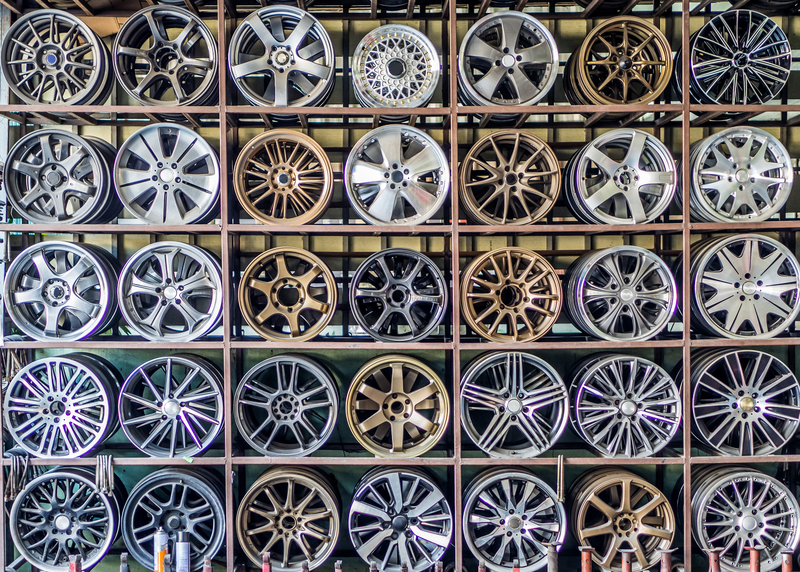
Popular Alloy Wheel Styles
Alloy wheels come in many styles. Each style changes the car’s look and performance. Choosing the right style helps your car stand out. It also affects weight and strength. Here are some popular alloy wheel styles to know about.
Mesh Wheels
Mesh wheels have many thin spokes that cross each other. This design looks like a web or net. It gives a sporty and classic look to cars. Mesh wheels also help cool the brakes by allowing air to flow.
Split-spoke Wheels
Split-spoke wheels have spokes that split into two near the rim. This creates a unique and stylish look. They are lighter than solid spoke wheels. This design balances strength and weight well.
Five-spoke Wheels
Five-spoke wheels have five wide, simple spokes. They are one of the most common wheel styles. This design looks clean and strong. Five-spoke wheels are easy to clean and maintain.
Multi-spoke Wheels
Multi-spoke wheels have many thin spokes, more than five. They create an elegant and detailed look. This style spreads the load evenly across the wheel. Multi-spoke wheels often appear on luxury cars.
Concave Wheels
Concave wheels curve inward toward the center. This shape adds depth and a bold look. Concave designs give a sense of motion even when the car is still. They also provide extra space for bigger brake parts.

Credit: www.specialtyperformanceparts.com
Forged Alloy Wheels
Forged alloy wheels are a popular choice for car enthusiasts. They offer a perfect mix of style and strong performance. These wheels are made using a special process that shapes metal under high pressure. This method makes them lighter and tougher than regular cast wheels. Many drivers prefer forged wheels for their sleek design and reliable strength.
Manufacturing Process
Forged alloy wheels start as a solid block of metal, usually aluminum. This block is heated and pressed with a powerful machine. The machine shapes the metal into a wheel while keeping the metal grains tight. This process makes the wheel denser and stronger. After shaping, the wheel cools down and gets polished for a smooth finish.
Performance Advantages
Forged wheels are lighter than cast wheels. This helps reduce the car’s overall weight. A lighter wheel improves acceleration and braking. It also helps the car handle better on the road. These wheels also balance well, which reduces vibrations. Drivers enjoy a smoother and more responsive ride.
Durability And Strength
Forged alloy wheels are very strong and hard to damage. The forging process removes weak spots inside the metal. This makes the wheels resistant to cracks and bends. They can handle tough road conditions and heavy loads. Their strength helps keep the wheels safe and long-lasting.
Cast Alloy Wheels
Cast alloy wheels are a popular choice for many vehicles. They offer a good mix of strength and style. These wheels are made by pouring molten metal into a mold. This process creates detailed designs and smooth finishes. Cast alloy wheels are lighter than steel wheels, which helps improve vehicle performance.
Production Techniques
The main method for making cast alloy wheels is called gravity casting. Molten aluminum or magnesium fills a mold under gravity. This method is simple and allows complex shapes. Some wheels use low-pressure casting for better metal flow. Casting can create many designs quickly. The process cools the metal to form a solid wheel.
Cost-effectiveness
Cast alloy wheels cost less than forged wheels. The casting process uses less energy and time. Molds can be reused many times. This lowers production costs. Cast wheels offer good quality at a budget-friendly price. They provide a strong option without high expense.
Common Uses
Cast alloy wheels fit many vehicle types. They are common on everyday cars and SUVs. Their lightweight nature helps with fuel efficiency. Some sports cars use cast wheels for style. They are also popular for aftermarket upgrades. Cast wheels balance performance, looks, and cost well.

Credit: www.indiamart.com
Flow-formed Alloy Wheels
Flow-formed alloy wheels offer a unique balance of strength and lightness. They sit between cast and forged wheels in terms of quality and price. These wheels are popular for drivers who want better performance without spending too much.
How Flow-forming Works
Flow-forming begins with a cast wheel. The wheel is heated to make the metal soft. Then, machines stretch and shape the wheel’s rim by spinning it. This process aligns the metal’s grains and makes the wheel stronger. The result is a wheel with a thinner, lighter rim but better durability.
Weight And Strength Benefits
Flow-formed wheels are lighter than fully cast wheels. Less weight means better fuel efficiency and handling. The stretching process also adds strength to the rim. This makes the wheel more resistant to impacts and bending. Drivers enjoy a smoother ride and longer wheel life.
Comparisons To Forged And Cast Wheels
Cast wheels are the most common and least expensive. They are made by pouring molten metal into molds. These wheels are heavier and not as strong. Forged wheels are the strongest and lightest. They are made by pressing metal under high pressure. Flow-formed wheels offer a middle ground. They are stronger and lighter than cast wheels but cost less than forged ones.
Benefits Of Alloy Wheels
Alloy wheels offer many benefits that improve the driving experience. These wheels are made from a mix of metals, mainly aluminum or magnesium. Their design and material give them advantages over regular steel wheels. Drivers notice better vehicle handling and a stylish look. The following sections explain key benefits of alloy wheels in detail.
Improved Performance
Alloy wheels are lighter than steel wheels. This reduces the weight of the car. Less weight means better acceleration and braking. The car also handles turns more smoothly. This leads to safer and more enjoyable driving. The lighter wheels put less stress on suspension parts. This can increase the lifespan of these components.
Enhanced Aesthetics
Alloy wheels come in many designs and finishes. They add a sleek, modern look to any vehicle. Many drivers choose alloy wheels to personalize their cars. The shiny surface of alloys often looks cleaner and newer. They can make an older car appear more stylish and fresh.
Better Heat Dissipation
Alloy wheels conduct heat better than steel wheels. This helps brake parts cool down faster. Cooler brakes work more efficiently and last longer. Heat buildup can cause brake fade, reducing stopping power. Alloy wheels reduce this risk by spreading heat away quickly.
Fuel Efficiency
Lighter wheels reduce the overall weight of the vehicle. Less weight means the engine uses less fuel. This can lower fuel costs over time. Better fuel efficiency also reduces harmful emissions. Choosing alloy wheels helps save money and protects the environment.
Credit: www.temaequipment.co.uk
Choosing The Right Alloy Wheel
Choosing the right alloy wheel can improve your car’s look and performance. Picking the perfect wheel means thinking about style, function, and cost. Each wheel type offers different benefits.
Some wheels suit sporty cars, while others fit luxury models better. The right choice adds value and enhances your driving experience.
Matching Wheel Style To Vehicle
Choose a wheel style that fits your car’s design. Sports cars often look best with sleek, sharp designs. SUVs and trucks need stronger, larger wheels. Match the wheel size to your vehicle’s factory specs. This keeps driving smooth and safe.
Considering Driving Needs
Think about how you drive daily. City driving needs wheels that handle potholes and curbs well. Highway driving benefits from lightweight wheels for better fuel efficiency. Off-road driving requires tough, durable wheels that resist damage. Your driving habits guide your wheel choice.
Budget And Maintenance
Set a budget before buying alloy wheels. Some wheels cost more but last longer. Cheaper wheels may need frequent repairs or replacements. Consider cleaning and maintenance too. Wheels with complex designs may collect dirt and need more care. Choose wheels that fit your budget and time.
Conclusion
Alloy car wheels come in many types, each with unique benefits. They improve car looks and performance. Choosing the right alloy wheel depends on your needs and style. Some offer light weight for better speed. Others provide strong durability for rough roads.
Understanding these options helps you pick wisely. Good wheels can make driving safer and more fun. Keep these points in mind when selecting your wheels. Your car deserves the best fit for its wheels.