
Have you ever wondered what makes your windshield so strong and safe? You might assume all windshields are the same, but the truth about whether all windshields are laminated could surprise you.
Understanding the type of glass protecting you while driving is more important than you think. This knowledge can impact your safety, repair costs, and even your car’s value. You’ll discover what laminated glass really means, how it differs from other types, and why it matters for you and your vehicle.
Keep reading to get the full picture on your windshield’s hidden strength.
Laminated Glass Basics
Understanding laminated glass is key to knowing why most windshields use it. Laminated glass offers strength and safety. It is not just ordinary glass.
This section explains laminated glass basics. It covers how laminated glass is made and its safety benefits.
Composition And Structure
Laminated glass has two layers of glass with a plastic sheet in between. The plastic layer is usually made from polyvinyl butyral (PVB). This layer sticks to the glass tightly, holding the pieces together.
This design stops the glass from shattering into sharp pieces. Instead, it cracks but stays mostly in place. This helps keep the windshield strong.
Safety Features
Laminated glass protects passengers during accidents. It reduces the risk of injury from flying glass.
The plastic layer absorbs impact and keeps the glass intact longer. This prevents objects from breaking through the windshield easily.
It also improves visibility by preventing glass from scattering. Emergency responders can break tempered glass quickly but laminated glass remains safer.
Tempered Glass Explained
Tempered glass is a special type of safety glass. It is designed to be strong and break safely. This glass undergoes a heating and rapid cooling process. This makes it harder than regular glass. When tempered glass breaks, it shatters into small, blunt pieces. These pieces reduce the risk of injury.
This glass is widely used in vehicles for certain parts. It offers good strength and safety but differs from laminated glass. Understanding tempered glass helps explain why not all vehicle glass is laminated.
Material Properties
Tempered glass starts as normal glass. It heats up to about 620°C (1148°F). Then, it cools quickly with blasts of cold air. This process creates internal stresses. The outer surfaces compress, and the inside is in tension. This makes the glass much stronger.
The glass resists impacts better than regular glass. It can handle sudden temperature changes without cracking. When it breaks, the pieces are small and less dangerous. This is why tempered glass is called safety glass.
Common Uses In Vehicles
Tempered glass is mostly used for side and rear windows in cars. These windows need to be strong but also break away easily in emergencies. The small pieces reduce cuts during accidents.
It is lighter and cheaper than laminated glass. This makes it ideal for parts not exposed to direct impact like windshields. Windshields usually use laminated glass for extra protection. Tempered glass is also found in sunroofs and moonroofs.
Windshield Types
Windshields are not all the same. They differ in quality and origin. Each type affects safety and price. Understanding these types helps in choosing the right replacement.
Most windshields use laminated glass for safety. Still, the source of the glass varies. Three main types exist: OEM, OEE, and aftermarket glass.
Original Equipment Manufacturer (oem)
OEM windshields come directly from the car maker. They match the original glass exactly. This ensures perfect fit and clarity. OEM glass meets all safety standards. It offers the best protection and durability.
Original Equipment Equivalent (oee)
OEE windshields are made by other companies. They follow the same specs as OEM glass. Quality is close to original but costs less. OEE glass fits well and meets safety rules. It is a popular choice for repairs.
Aftermarket Glass
Aftermarket windshields come from independent manufacturers. Quality and fit can vary widely. Some use laminated glass; others use tempered glass. These windshields may not meet all safety standards. They are usually cheaper but may need extra care.
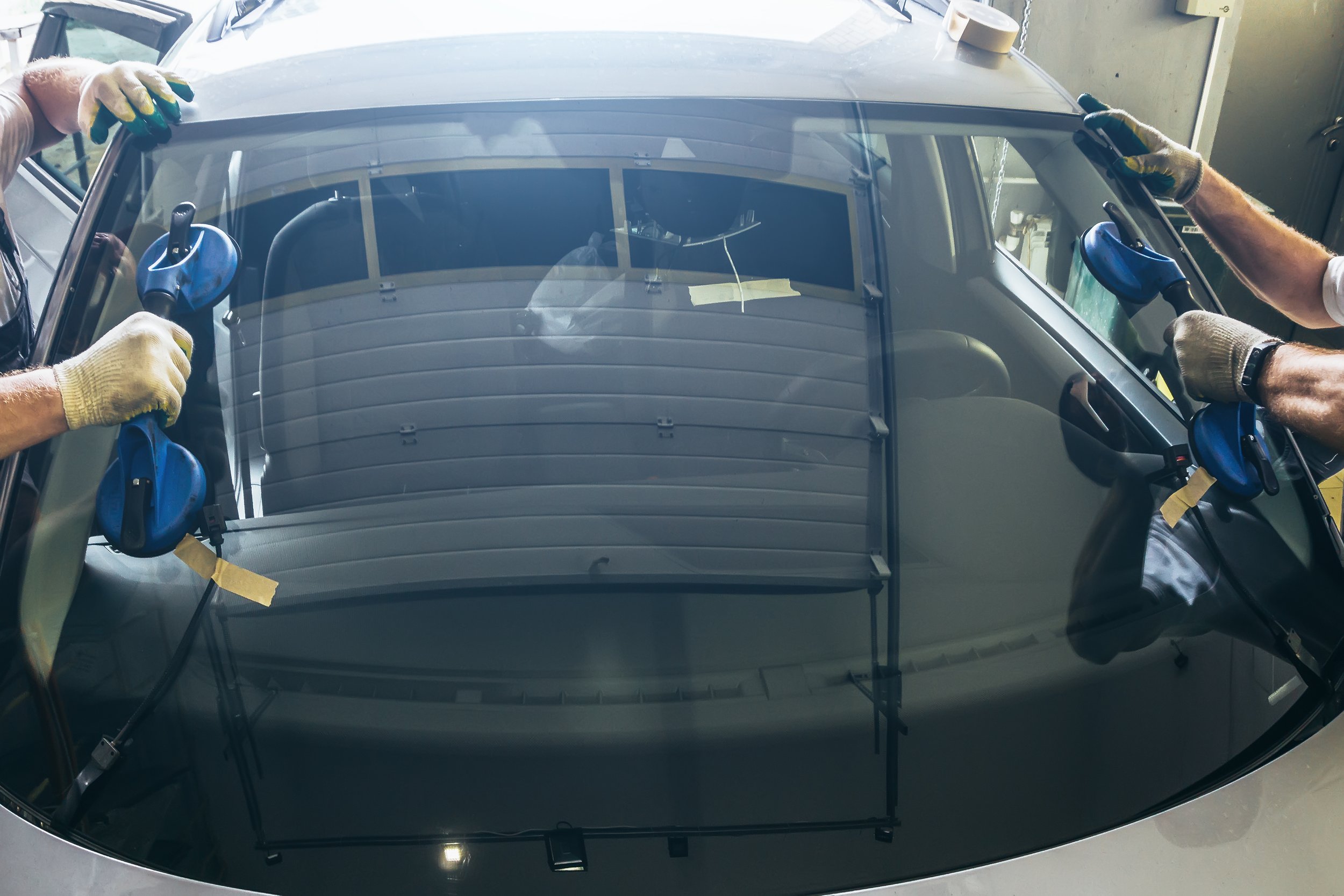
Laminated Vs Tempered Windshields
Understanding the difference between laminated and tempered windshields helps you know what protects you on the road. Both types serve as safety glass but differ in structure and behavior. These differences affect safety, cost, weight, and performance.
Safety Comparison
Laminated glass consists of two glass layers with a plastic layer in between. This design keeps the glass intact when shattered. The plastic layer holds the pieces together, preventing sharp shards from flying.
Tempered glass is heat-treated to be stronger but breaks into small, blunt pieces. It reduces injury risk from sharp edges but can shatter completely. Laminated glass is safer for front windshields because it stays in place during impact.
Cost And Weight Differences
Laminated glass is usually more expensive than tempered glass. The manufacturing process with the plastic interlayer adds to the cost. It also weighs more due to the extra layer.
Tempered glass is lighter and cheaper to produce. Car manufacturers may use tempered glass for side and rear windows to save weight and cost. Laminated glass costs more but offers better safety, which justifies the price for windshields.
Performance In Various Conditions
Laminated windshields resist water leaks and reduce noise. They block harmful UV rays and improve insulation inside the car. This makes driving quieter and more comfortable.
Tempered glass performs well in heat but can shatter under strong impact or sudden temperature changes. Laminated glass handles stress better, making it reliable in different weather and road conditions. For these reasons, laminated glass is preferred for windshields.
Legal Requirements For Windshields
Windshields play a crucial role in vehicle safety. Laws regulate the type of glass used in windshields. These rules ensure driver and passenger protection from impacts and accidents. Understanding these legal standards helps clarify whether all windshields must be laminated.
Us Regulations
The United States requires windshields to be made of laminated glass. This type of glass has two layers with a plastic layer in between. Laminated glass holds together when shattered, reducing injury risks. The Federal Motor Vehicle Safety Standard (FMVSS) 205 sets these rules. It applies to all passenger vehicles sold in the US. Windshields must pass strict tests for strength and safety. Using laminated glass is mandatory to meet these laws.
International Standards
Many countries follow international safety standards for windshields. The Economic Commission for Europe (ECE) sets regulations for laminated glass. These standards are similar to US rules. They require windshields to resist impact and stay intact on breaking. Some countries accept tempered glass for side and rear windows but not for windshields. Laminated windshields are preferred worldwide for better protection. Laws vary, but safety remains the top priority everywhere.

Identifying Laminated Windshields
Identifying laminated windshields helps understand vehicle safety features. Laminated windshields consist of two glass layers with a plastic layer in between. This design prevents glass from shattering on impact. Recognizing laminated windshields is useful for maintenance and repairs.
Visual Inspection Tips
Look closely at the windshield edge for a slight greenish tint. This tint often indicates laminated glass. Tap the glass gently; laminated glass sounds duller than tempered glass. Check for any visible layers or a thin plastic film inside the glass. Cracks in laminated windshields usually stay in place, unlike shattered tempered glass.
Markings And Labels
Examine the bottom corner of the windshield for small etched markings. These marks often show the glass type and manufacturer. Look for the letters “LAM” or “Laminated” on the glass. Some windshields have certification labels confirming they meet safety standards. These labels provide clear proof of laminated construction.
Benefits Of Laminated Windshields
Laminated windshields offer many benefits that improve safety and comfort. This type of glass combines two layers of glass with a plastic layer in between. The plastic layer holds the glass together if it breaks. This design provides key advantages over other types of glass.
Impact Resistance
Laminated windshields resist impacts better than regular glass. The plastic layer absorbs energy from hits, reducing cracks and shattering. This helps keep drivers safe during collisions by preventing glass shards from flying. It also keeps the windshield intact, maintaining visibility after an accident.
Noise Reduction
The plastic layer in laminated glass reduces outside noise. It blocks many sounds from wind, traffic, and rain. This makes the cabin quieter and more comfortable for everyone inside. A quieter ride helps reduce driver fatigue on long trips.
Uv Protection
Laminated windshields block most harmful UV rays from the sun. This protects the driver and passengers from skin damage. It also helps prevent the car’s interior from fading or cracking due to sun exposure. UV protection adds to the overall comfort and longevity of the vehicle.
Limitations Of Laminated Glass
Laminated glass offers safety and durability for vehicle windshields. It holds together when cracked, reducing injury risk. Despite these benefits, laminated glass has some limitations worth knowing. These can affect repair options and overall cost. Understanding these limits helps car owners make informed decisions.
Repair Challenges
Laminated glass is harder to repair than tempered glass. The plastic layer inside makes fixing chips complex. Small cracks often require full windshield replacement. Repair shops need special tools and skills. Not all damages can be fixed, increasing replacement frequency.
Cost Considerations
Laminated windshields usually cost more than other glass types. The manufacturing process is more detailed and uses multiple layers. Insurance may not always cover full replacement costs. Repair or replacement can take longer due to complex materials. Budgeting for laminated glass repairs is important for car owners.
Future Trends In Windshield Technology
The future of windshield technology promises exciting changes. Safety and comfort remain top priorities. New innovations aim to improve visibility and durability. Drivers can expect smarter and stronger windshields ahead.
Advanced Materials
Windshields will use materials stronger than traditional glass. These materials resist cracks and chips better. Lightweight composites will reduce vehicle weight, helping fuel efficiency. Some materials can even heal minor scratches automatically. This extends the windshield’s lifespan and keeps it clear.
Smart Glass Features
Smart glass will change how windshields interact with drivers. They can adjust tint based on sunlight, reducing glare. Built-in sensors may detect rain and activate wipers instantly. Some windshields will display navigation or safety alerts directly on the glass. These features enhance safety and convenience while driving.
Conclusion
Not all automotive glass is laminated, but most windshields are. Laminated windshields have a plastic layer that holds the glass together. This layer improves safety by preventing sharp shards from flying. Other car windows often use tempered glass, which breaks differently.
Knowing the difference helps you understand windshield repairs and replacements. Always choose quality glass for safety and durability. Safety matters most when driving, so make informed choices.