
Have you ever wondered if putting salt on your windshield is a smart way to tackle ice and fog during those chilly Austin mornings? It’s a common trick many drivers consider, especially when frost or fog threatens your clear view of the road.
But before you sprinkle salt on your glass, you need to know how it really affects your car’s windshield and whether it’s a helpful hack or a risky move. You’ll discover the surprising truths about using salt on your windshield, learn safe alternatives, and find out how to protect your vehicle while keeping your vision crystal clear.
Keep reading—your windshield’s health and your safety depend on it!
Salt And Windshield Safety
Salt is a common substance used in winter to melt ice on roads and windshields. Many wonder if putting salt directly on the windshield is safe. Understanding the effects of salt on your vehicle’s windshield is important for safety and maintenance.
Salt can cause damage over time. It affects metal parts and the windshield frame. This damage can lead to costly repairs and unsafe driving conditions.
Corrosive Effects On Metal
Salt is highly corrosive to metal surfaces. It speeds up rust formation on the car’s body and parts. The metal around the windshield can weaken and lose strength. This corrosion can spread quickly if not cleaned off.
Impact On Windshield Frame
The windshield frame holds the glass firmly in place. Salt exposure can cause the frame to rust and deteriorate. Over time, this weakens the connection between the glass and the car body. A loose windshield increases the risk of leaks and damage.
Long-term Damage Risks
Repeated salt exposure leads to long-term damage. Rust can cause holes and cracks in metal parts. Windshield seals may fail, letting water inside the vehicle. This damage affects vehicle safety and lowers its value.
Salt For De-icing
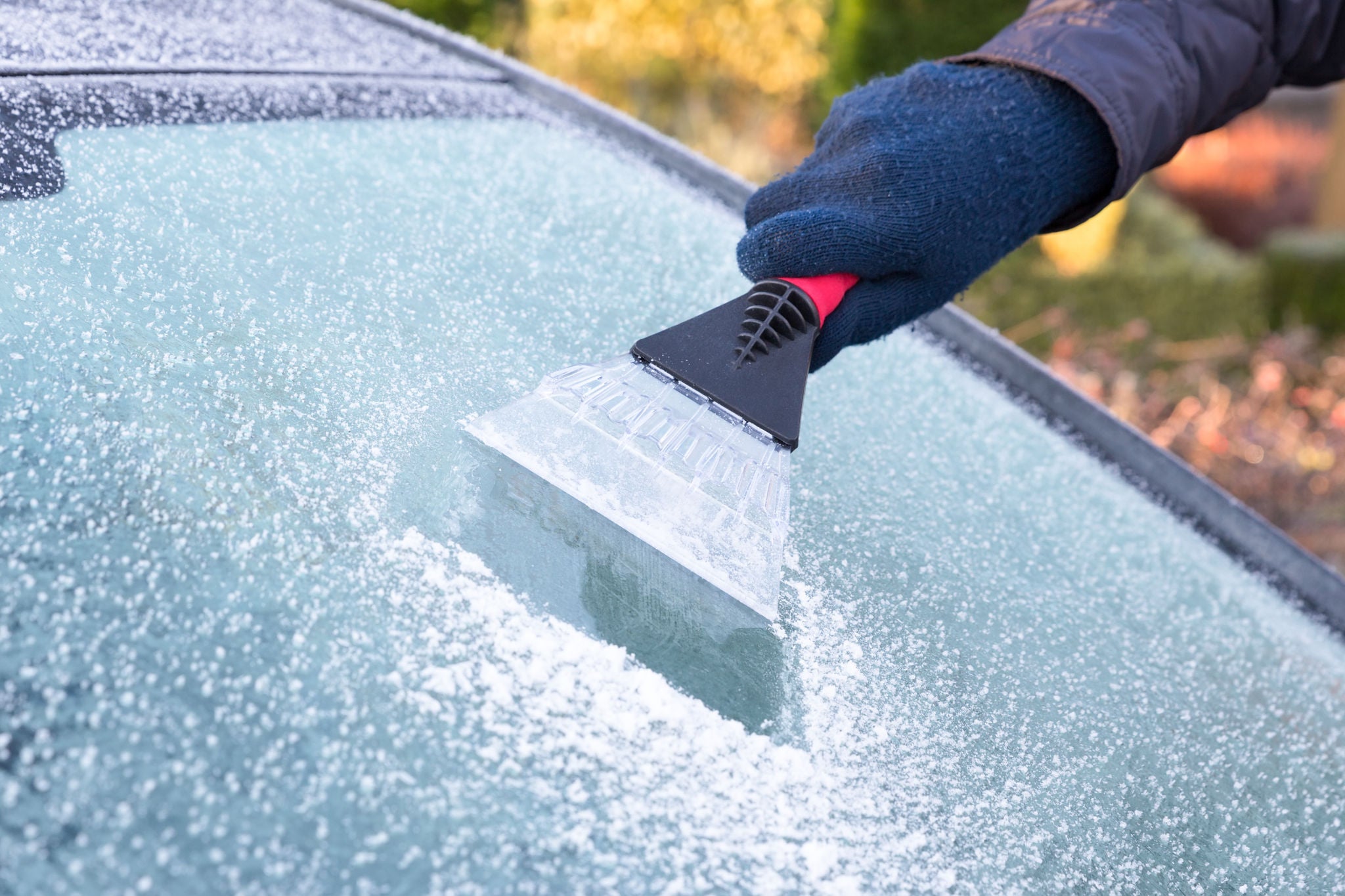
Salt has long been used to melt ice on roads and sidewalks. Its ability to lower the freezing point of water makes it effective for de-icing. Many wonder if salt can be used directly on windshields to clear ice. Understanding the best methods to use salt for de-icing your windshield can help protect your vehicle.
Applying salt incorrectly can cause damage. Learning the right approach keeps your windshield clear and your car safe.
Using Saltwater Solutions
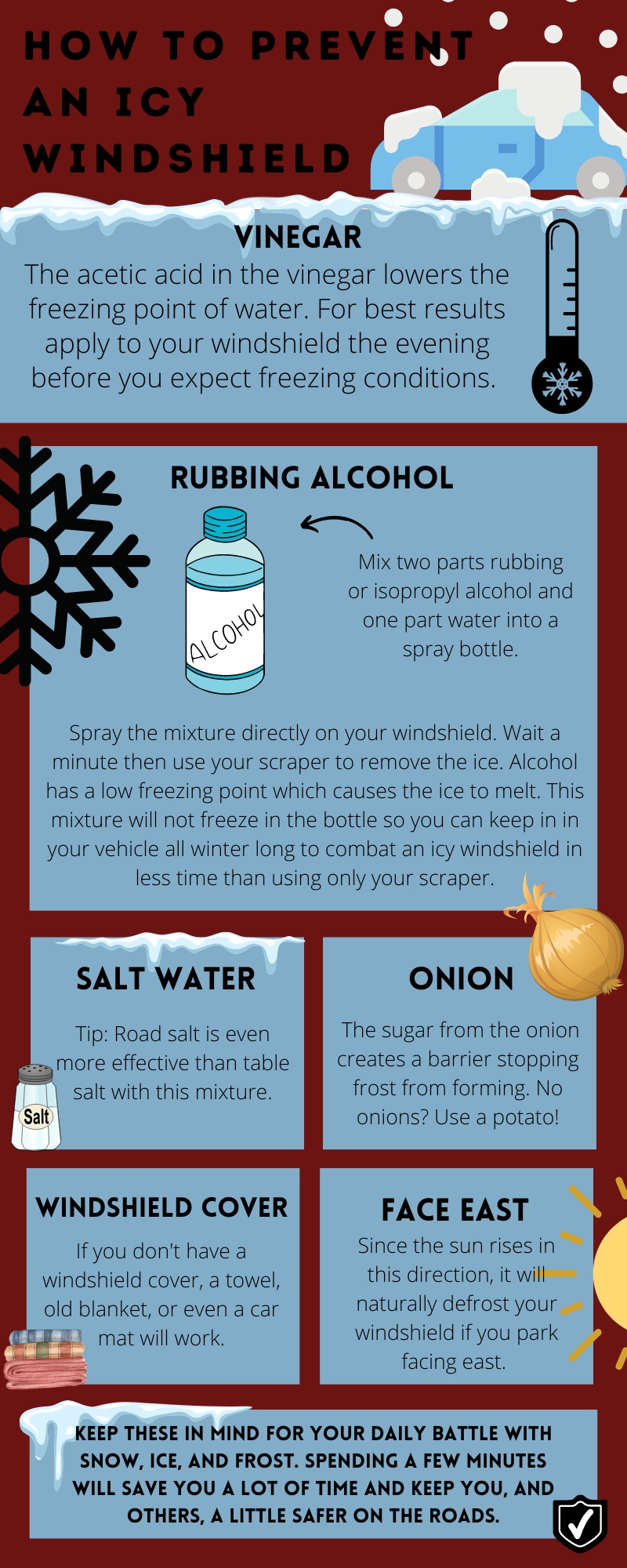
Saltwater solutions work well to melt ice on windshields. Mixing salt with warm water creates a simple de-icer. Spray the solution gently over the icy glass. The salt lowers the freezing point, causing ice to melt faster. Use this method with care to avoid damaging the glass or seals.
Avoiding Direct Salt Application
Directly sprinkling salt on your windshield is not recommended. Salt crystals can scratch the glass surface. Salt can also harm rubber seals and metal parts around the windshield. These effects reduce the lifespan of your vehicle’s components. Use saltwater sprays or other safe methods instead.
Diy De-icer Recipes
Creating your own de-icer at home is easy and cost-effective. A common recipe mixes two parts rubbing alcohol with one part water and one teaspoon of salt. Pour into a spray bottle and apply to icy spots. Another option uses vinegar mixed with water and salt. These mixtures help melt ice quickly without harsh effects.
Salt To Prevent Fogging
Salt can help reduce fogging inside your car by absorbing moisture from the air. This simple trick keeps your windshield clearer during cold or humid days. Using salt this way is low-cost and easy to do. It works by pulling excess moisture out, which stops fog from forming on glass surfaces.
Moisture Absorption Benefits
Salt naturally attracts and holds moisture from the air. This lowers the humidity inside the car. With less moisture, fog on windows forms less often. Salt works better than many cloths or wipes that only move water around. It keeps the air drier for longer periods. This helps improve visibility and driving safety.
Best Container Options
Using salt loose inside the car is not a good idea. It can spill and cause damage. Choose a container that lets air pass but stops salt from scattering. A small mesh bag or a cloth sock works well. You can also use a sealed jar with holes in the lid. This keeps salt dry and safe while letting it absorb moisture.
Placement Tips Inside Car
Put the salt container where air flows freely. Common spots are near the dashboard or air vents. Avoid placing it directly on fabric seats or carpets. Salt can stain or corrode materials if it spills. Keep it away from electronics and controls. Check the salt regularly and replace it when clumped or wet.
Salt For Traction
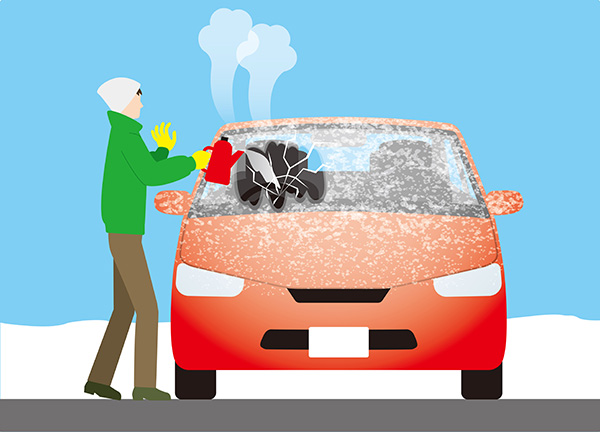
Salt is often used to improve traction on icy roads. It lowers the freezing point of water, causing ice to melt. This creates a safer surface for driving and walking. Understanding how salt works can help you decide if it’s right for your needs.
Using Salt On Icy Surfaces
Salt spreads easily on ice and snow. It melts ice by drawing moisture from the surface. This reduces slipperiness and helps tires grip the road. Applying salt around your vehicle can prevent slipping. Avoid using large amounts directly on your windshield.
Safety Considerations
Salt can damage car paint and metal parts over time. It may also harm plants and soil near your driveway. Use salt carefully and avoid contact with your vehicle’s glass. Wearing gloves while handling salt protects your skin. Clean up any salt residue after use to reduce damage.
Alternatives To Salt
Sand provides traction without melting ice. Kitty litter is another option for grip on slippery surfaces. Commercial de-icers use chemicals that are less corrosive than salt. Using mats or snow chains can also improve safety on ice. Choose an alternative based on your environment and vehicle care needs.
Safe Salt Usage In Vehicles
Using salt safely in vehicles requires care and proper handling. Salt helps reduce ice and moisture but can cause damage if spilled or left loose. Keeping salt contained and away from sensitive areas protects your car’s interior and mechanical parts. Follow these simple tips for safe salt usage in your vehicle.
Choosing The Right Container
Select a sturdy container for salt storage inside your vehicle. A sealed plastic jar or a screw-top container works well. Avoid open containers that allow salt to spill or absorb moisture. Clear containers help you see how much salt remains. Make sure the container is easy to open but secure enough to prevent accidental spills.
Securing Salt To Prevent Spills
Place the salt container in a stable spot where it cannot tip over. The car’s glove box or a side door pocket are good options. Use non-slip mats under the container to keep it steady. Avoid loose bags or boxes that can tear and spill salt. Spilled salt can cause corrosion and damage upholstery or electronics.
Protecting Car Interiors
Salt can harm fabric, leather, and metal inside the car. Clean up any spills immediately using a damp cloth. Avoid placing salt near electronic controls or vents. Use floor mats to catch salt tracked in on shoes. Regularly vacuum and wipe surfaces to remove salt residue. Keeping salt contained preserves your car’s interior and prevents costly repairs.
Risks Of Improper Salt Use
Using salt improperly on or around your windshield can cause several problems. Salt is corrosive and may harm your car’s interior and mechanics. Understanding the risks helps protect your vehicle and maintain safety on the road.
Damage To Upholstery And Electronics
Salt can spill easily from open containers or loose packets. Once spilled, it can soak into your car’s upholstery. This causes stains and fabric deterioration. Salt also harms electronic components inside the car. It can cause short circuits or corrosion on wiring and connectors. Avoid placing salt directly on or near the windshield to protect your car’s interior and electronics.
Corrosion And Rust Issues
Salt is very corrosive to metal parts. If salt touches the metal frame around your windshield, it can speed up rusting. Rust weakens the structure that holds the windshield in place. Over time, this can cause leaks or even windshield loosening. Salt residue left on the glass edges can also damage seals. Regular cleaning after salt exposure reduces these risks.
Safety Hazards From Loose Containers
Loose salt containers inside the car pose safety risks. During sudden stops or accidents, they can move or spill unexpectedly. Salt spills create slippery surfaces on the floor. This can cause the driver or passengers to slip when entering or exiting. Salt crystals may scatter and distract the driver. Always secure salt in sealed containers to prevent spills and keep the car safe.
Conclusion
Salt can help melt ice but use it carefully on windshields. Direct salt contact may harm glass and car parts. Using salt in a container to absorb moisture is safer. Always choose proper de-icing products for your vehicle’s health. Protect your car to avoid damage and costly repairs.
Simple steps keep your windshield clear and your car safe. Stay cautious and maintain your vehicle well during winter months.