
Have you ever wondered what to do with your old windshield wipers? You use them every day to keep your view clear and safe, but when it’s time to replace them, tossing them out might not be so simple.
Are windshield wipers recyclable, or do they just add to the landfill? Understanding how to dispose of or recycle these essential car parts can save you from confusion and help you make a greener choice. Keep reading, because we’ll break down everything you need to know about recycling windshield wipers and the best ways to handle them once they’ve worn out.
Your next eco-friendly step starts here!
Wiper Blade Materials
Windshield wiper blades consist of various materials. Each material affects recycling options differently. Understanding these materials helps decide how to dispose of old wipers responsibly.
Metal Components
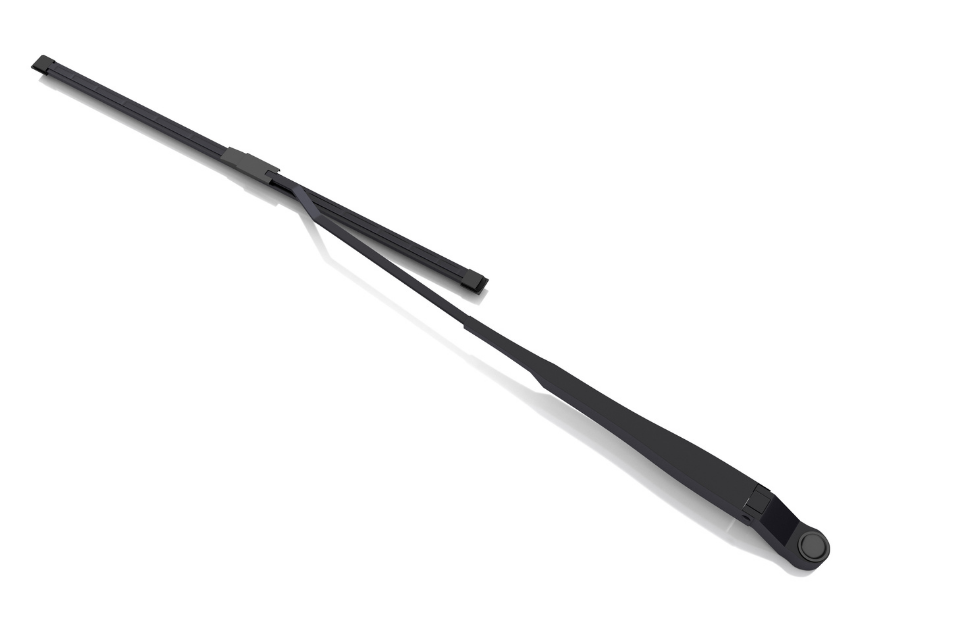
Wiper blades often have metal frames or supports. These parts are usually made of steel or aluminum. Metal components can be recycled at metal recycling centers. They should be separated from other materials before recycling. Metal recycling helps reduce the need for new mining and saves energy.
Rubber Parts
The rubber strip is the part that clears the windshield. It is usually made from natural or synthetic rubber. Rubber parts are difficult to recycle through regular programs. They often end up in landfill because of their mixed composition. Some specialized facilities can recycle rubber, but they are rare.
Plastic Elements
Plastic materials make up parts of the wiper blade assembly. These plastics vary but are often mixed types. Mixed plastics are hard to recycle at common recycling centers. They might need special processing to be reused. Most plastic parts from wipers usually end up in waste.
Recycling Challenges
Recycling windshield wipers presents many challenges. These items combine different materials. Separating them for recycling is not easy. Understanding these challenges helps explain why recycling rates stay low.
Material Separation Issues
Windshield wipers contain metal, rubber, and plastic parts. These materials are tightly bonded. Machines struggle to separate them efficiently. Manual separation is costly and time-consuming. This complexity makes recycling less practical for many facilities.
Non-recyclable Components
Many parts of wiper blades are non-recyclable. The rubber blade often contains additives that hinder recycling. Some plastics used are hard to process. Small metal parts may not be accepted in recycling programs. These components usually end up in landfills.
Environmental Impact
Improper disposal of wipers harms the environment. Rubber and plastic take years to degrade. They can release toxins into soil and water. Recycling challenges increase the risk of waste buildup. Finding better recycling methods is crucial for reducing pollution.
Disposal Methods
Disposing of old windshield wipers requires care due to their mixed materials. These parts often combine rubber, metal, and plastic. Each material needs a different approach for disposal. Proper methods help reduce waste and environmental harm.
Residual Waste Bins
Most windshield wipers belong in residual waste bins. The rubber and plastic parts cannot be recycled easily. These materials often contaminate recycling streams. Throwing them in residual waste avoids recycling issues. Check local rules to confirm if this applies in your area.
Scrap Metal Recycling
The metal frame of wiper blades can be recycled separately. Removing metal parts allows scrap yards to process them. Metal recycling saves natural resources and energy. Separate the metal carefully before disposal. Some recycling centers accept only metal components.
Special Collection Centers
Some areas offer special collection for automotive waste. These centers accept old wiper blades and other car parts. They ensure proper disposal or recycling of mixed materials. Look for local auto recycling or hazardous waste centers. This option keeps harmful materials out of landfills.

Creative Reuse Ideas
Old windshield wipers often end up in the trash. Yet, their parts can have new purposes. Creative reuse helps reduce waste and gives old items a second life. Here are some simple and practical ideas to reuse windshield wipers at home.
Diy Tension Tools
The metal strips inside wipers are strong and flexible. They can be shaped into tension tools for small repairs or crafts. Many hobbyists use these strips for lock picking or bending wires. This reuse saves money and avoids throwing away useful metal.
Windshield Cleaning Uses
The rubber blades still work well for cleaning surfaces. Use old wipers to wipe windows, mirrors, or even floors. Their shape helps remove water or dust without scratching. This is an easy way to keep cleaning tools without buying new ones.
Upcycling Projects
Windshield wipers can be turned into creative art or home decor. The metal arms can become hooks or frames for pictures. The rubber parts can be used in garden projects as plant ties or protective strips. Upcycling adds style and purpose to old materials.
Local Recycling Options
Recycling windshield wipers depends on local rules and available services. Many areas have specific guidelines for disposing of or recycling these items. Understanding local options helps keep waste out of landfills and supports environmental care. This section explores recycling possibilities in Austin, Texas, other cities, and through automotive recycling services.
Austin, Texas Guidelines
Austin’s recycling centers do not accept windshield wipers in regular recycling bins. The rubber and metal parts are difficult to separate for recycling. Residents should place old wipers in the trash or check for special collection events. Some local programs may offer scrap metal recycling that accepts wiper arms separately.
Other City Programs
Different cities have varying rules for windshield wiper disposal. Some offer drop-off points at auto parts stores or recycling centers. These programs may recycle metal parts but not the rubber blades. Always check your city’s waste management website for the latest information. Some communities encourage reuse or repurposing before disposal.
Automotive Recycling Services
Specialized automotive recyclers often accept windshield wipers. These services dismantle vehicles and recycle parts properly. Metal from wiper arms can be melted down and reused. Rubber blades usually cannot be recycled but can be disposed of safely. Contact local auto recyclers to learn about their policies and drop-off options.
Tips To Extend Wiper Life
Extending the life of your windshield wipers saves money and reduces waste. Simple care steps help keep wipers working well longer. Follow these tips to protect your investment and improve visibility.
Proper Cleaning Techniques
Clean wiper blades often to remove dirt and debris. Use a soft cloth with mild soap and water. Avoid harsh chemicals that can damage the rubber. Wipe the blades gently along their length. This prevents streaks and improves wiping performance.
Regular Maintenance
Check your wipers regularly for cracks or tears. Replace blades as soon as you notice wear. Lift wipers off the windshield during winter to avoid freezing. Keep the windshield clean to reduce blade strain. These small steps keep blades flexible and effective.
Choosing Durable Blades
Select wiper blades made from quality materials. Silicone blades tend to last longer than rubber. Choose blades designed for your climate and driving conditions. Durable blades reduce the need for frequent replacements. This saves money and lowers environmental impact.

Conclusion
Windshield wipers usually cannot be recycled due to mixed materials. The rubber and metal parts are hard to separate. Most recycling centers do not accept them. It is best to throw old wipers in the trash bin. Some creative people reuse metal parts for DIY projects.
Always check local rules for disposal options. Keeping this in mind helps protect the environment. Simple actions like proper disposal make a difference every day.