
Have you ever put on your polarized sunglasses while driving and noticed strange rainbow patterns or weird colors on your car’s windshield? It might make you wonder—are car windshields actually polarized?
The answer isn’t as simple as yes or no. While your windshield isn’t fully polarized like your sunglasses, it does interact with polarized light in surprising ways. Understanding this can change how you see your drive, improve your comfort behind the wheel, and even keep you safer.
Keep reading to uncover why windshields behave this way, how polarization affects your view, and what it means for your daily drives.
Polarization Basics
Understanding polarization helps explain how light interacts with surfaces. Polarization affects how light waves move and how we see glare. Car windshields show some effects of polarization but are not fully polarized. This section breaks down the basics of polarization to clarify this.
What Polarization Means
Polarization means light waves vibrate in one direction. Normally, light waves vibrate in many directions. Polarized light vibrates only along a single plane. This limits the light waves and reduces glare. Sunglasses often use polarized lenses to block certain light waves.
How Polarized Light Behaves
Polarized light reflects differently from surfaces like water or glass. It creates strong glare that can be uncomfortable or harmful to the eyes. Polarized lenses filter out this glare by blocking specific light vibrations. Car windshields partially polarize light due to glass stress but do not fully block glare.
Windshield Glass Types
Car windshields come in different glass types. Each type affects safety and visibility. Understanding these types helps explain why windshields are not fully polarized.
The two main types are laminated glass and tempered glass. Both have unique features for car use. They influence how light passes through the windshield.
Laminated Glass Features
Laminated glass consists of two glass layers with a plastic layer in between. This plastic layer holds the glass together when it breaks. It prevents sharp shards from flying inside the car.
Laminated glass blocks most harmful UV rays. It reduces noise and increases safety. This type is mainly used for front windshields. It is less stressed than tempered glass, causing fewer polarized patterns.
Tempered Glass Characteristics
Tempered glass is heat-treated to increase its strength. It breaks into small, blunt pieces instead of sharp shards. This reduces injury risks during accidents.
Side and rear car windows often use tempered glass. It is more stressed than laminated glass. This stress can cause slight polarization and colorful patterns when viewed with polarized lenses.
Partial Polarization In Windshields
Car windshields are not fully polarized, but they do show partial polarization. This happens because of the glass manufacturing process. The glass is tempered or laminated to make it strong and safe.
These processes cause stress inside the glass. The stress changes how light passes through, creating partial polarization. This effect is subtle but can be seen with polarized sunglasses.
Stress Patterns From Tempering
Tempering is a heating and cooling process that strengthens glass. It creates internal stress patterns within the glass structure. These stresses cause light waves to align in certain directions.
Such alignment leads to partial polarization of light passing through the windshield. The stress patterns are invisible to the naked eye. However, they become visible under polarized lenses.
Visible Effects With Polarized Sunglasses
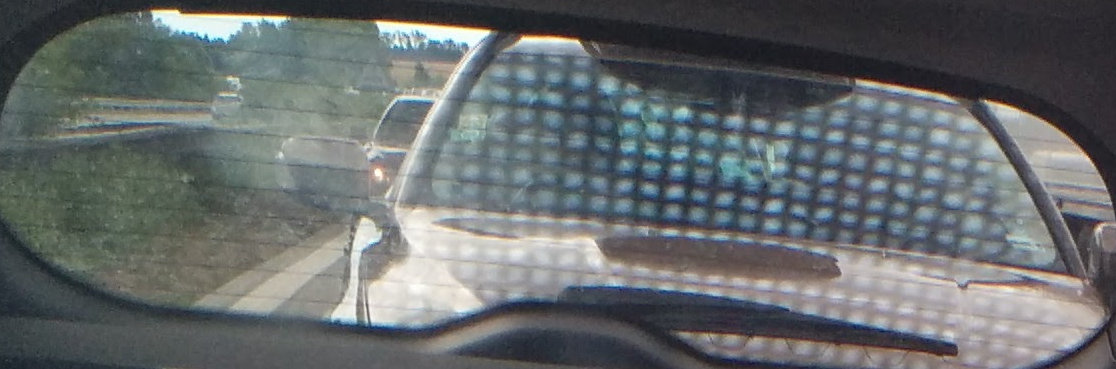
Polarized sunglasses block certain light waves and reveal stress patterns in windshields. Drivers may notice rainbow-like colors or shifting patterns on the glass surface. These colors result from light bending and polarization caused by stress.
This visual effect does not affect driving safety. It only appears under specific lighting and viewing angles. The partial polarization in windshields is a side effect of their strength and safety features.
Reasons Against Full Polarization
Full polarization of car windshields is not common. Several reasons limit its use in vehicles. These reasons focus on safety, visibility, and technology compatibility. Understanding these can clarify why windshields remain mostly non-polarized.
Reduced Nighttime Visibility
Polarized glass blocks certain light waves. This effect lowers glare from headlights and streetlights. Yet, it also dims overall vision at night. Drivers may find it harder to see in low light. This reduction increases the risk of accidents. Clear vision during nighttime is crucial for safety.
Interference With Digital Displays
Modern cars rely on digital screens for controls and information. Polarized windshields can distort or darken these displays. Drivers might struggle to read speedometers or GPS screens. This interference could distract drivers or delay reactions. Non-polarized glass avoids these problems.
Safety And Structural Considerations
Windshields are made with laminated glass for strength. This glass layers plastic between glass sheets. Full polarization needs special manufacturing processes. These might weaken the glass or add costs. Also, polarized glass can cause visual artifacts. Such artifacts can confuse or distract drivers. Safety standards favor clear, strong glass over polarization.
Rainbow Patterns Explained
Car windshields often show strange rainbow colors when seen through polarized lenses. These colors are not paint or dirt but optical effects caused by the glass itself. The patterns come from how light bends and twists inside the windshield. Understanding these rainbow patterns helps explain if windshields are polarized and why these effects appear.
Stress-induced Birefringence
Tempered glass used in car windows has internal stress. This stress changes the way light passes through the glass. It splits light into two rays that move at different speeds. This effect is called birefringence. The stress patterns create colorful patches when seen with polarized lenses.
Windshields use laminated glass, which has less internal stress. This makes rainbow patterns less common on windshields than on side windows. The small birefringence in laminated glass still causes subtle color shifts under certain conditions.
Wavelength-dependent Light Rotation
Light has different colors, or wavelengths. The glass twists these wavelengths at different angles. This causes some colors to rotate more than others. When polarized lenses filter the light, certain colors stand out. This results in a rainbow of colors that shift as you move.
The exact colors depend on glass thickness and stress levels. This twisting effect is why you see a full spectrum of colors, not just one or two shades.
How To Observe These Patterns
Wear polarized sunglasses or use a polarized filter to see the rainbow patterns. Look at the windshield or side windows under bright light. Tilt your head or the glass to watch the colors change and move. This simple test reveals the hidden optical effects inside the glass.
These patterns do not mean the windshield is fully polarized. They only show partial polarization caused by stress and light behavior inside the glass.

Polarized Window Tints
Polarized window tints are films applied to car windows to reduce glare. These tints filter sunlight, allowing only certain light waves to pass. This improves visibility and comfort while driving. Polarized tints are popular for side and rear windows but not for windshields.
Windshields are usually made of laminated glass. They are not fully polarized to keep clear vision and prevent safety issues. Polarized tints help drivers see better in bright conditions by cutting down reflections from other cars, roads, and water.
Tint Benefits For Drivers
Polarized window tints reduce glare from the sun and headlights. They help drivers avoid eye strain and fatigue. Clearer vision means safer driving, especially in bright or wet conditions. Polarized tints also block some harmful UV rays, protecting skin and eyes.
These tints can improve contrast and color perception. This makes it easier to spot obstacles and road signs. Many drivers find polarized tints make driving more comfortable and less tiring.
Difference Between Tint And Glass Polarization
Polarized window tints are films added to glass. They filter light by blocking horizontal waves that cause glare. Glass polarization comes from the glass itself due to its structure or manufacturing.
Most car windshields are not polarized by design. They use laminated glass for safety and strength. Side and rear windows may have some polarization due to tempered glass stresses.
Tinted films provide stronger and more controlled polarization. Glass polarization is usually weak and uneven. This is why tint films are preferred for reducing glare and improving driver comfort.
Uv Protection In Car Glass
Car glass plays a key role in protecting drivers and passengers from harmful ultraviolet (UV) rays. UV protection in car glass helps reduce skin damage and keeps the interior cooler. Different types of car windows offer varied levels of UV blocking. Understanding these differences can help you choose the right protection for your vehicle.
Windshield Uv Blocking Ability
Car windshields are made from laminated glass, which blocks most UVB rays and a large portion of UVA rays. This glass has a special plastic layer between two glass sheets. This layer prevents UV rays from passing through and protects the car’s interior and passengers. Laminated windshields block nearly 99% of harmful UV rays, reducing risks of skin cancer and fading of upholstery.
Besides UV protection, laminated glass also improves safety by holding together when cracked. This means windshields provide both physical protection and excellent UV defense.
Limitations Of Side And Rear Windows
Side and rear windows usually use tempered glass, which does not block UV rays well. They allow more UVA rays to enter the vehicle. This can cause skin damage to passengers sitting near these windows over time. Many car owners add window tint films to improve UV protection on these windows.
Standard side and rear windows offer limited UV protection by themselves. Without extra tinting, passengers in the back or on the sides get less defense from harmful rays compared to the front seat. Choosing the right tint can help reduce UV exposure and improve comfort inside the car.
Testing Polarization In Glass
Testing polarization in glass helps understand how light waves behave through surfaces. It reveals if glass blocks certain light waves or lets them pass. This knowledge matters for car windshields and their effect on visibility and safety.
Two simple methods test polarization. Both use common items you may have at home. These tests show how polarized glass interacts with light.
Using Polarized Sunglasses
Polarized sunglasses have special filters that block horizontal light waves. Hold the glasses up and look through them at a glass surface. Slowly turn the sunglasses while watching the glass. If the glass is polarized, you will see changes in brightness or colorful patterns. This happens because polarized glass blocks some light waves. Regular glass will not show these effects.
Checking Lcd Screens
LCD screens emit polarized light. Hold the glass in front of a phone or computer screen. Slowly rotate the glass while looking through it. If the glass is polarized, the screen may appear to darken or change colors. This effect proves the glass filters light waves. If no change happens, the glass is not polarized.

Conclusion
Car windshields are not fully polarized to keep drivers safe. They partially polarize light due to glass manufacturing but do not block glare like sunglasses. Full polarization would reduce visibility, especially at night. It could also hide important digital displays inside the car.
Side and rear windows often have some polarization from tempered glass. This helps reduce glare but keeps clear vision. Understanding this helps you see why windshields differ from polarized lenses. Safe driving relies on clear, bright views, not dimmed or distorted glass.