Have you ever wondered how your car moves smoothly from one gear to another? The secret lies in its transmission system.
Understanding the different types of transmission systems can help you make smarter choices when buying a vehicle or maintaining the one you own. You’ll discover the main types of transmissions, how they work, and which one might be best for your needs.
Keep reading—you’ll find simple explanations that make complex technology easy to grasp and decisions easier to make.
Credit: shahdrivingschool.uk
Mechanical Transmission Systems
Mechanical transmission systems transfer power from one part of a machine to another. They use physical components to move energy efficiently. These systems are common in vehicles, machines, and industrial equipment. Understanding different types helps in choosing the right one for specific needs.
Belt Drives
Belt drives use flexible belts to connect pulleys. The belt transfers motion and power between shafts. They work quietly and smoothly. Belt drives are easy to install and maintain. They also absorb shocks and vibrations well.
Chain Drives
Chain drives use metal chains to link sprockets. They transfer power with less slip than belts. Chain drives handle heavy loads and high speeds. These drives require regular lubrication to avoid wear. They offer reliable performance in rough conditions.
Gear Drives
Gear drives use interlocking teeth to transfer motion. They can change speed and torque precisely. Gear drives work well for high power and accuracy. They need proper lubrication to reduce friction. Gears are strong and last a long time.
Shaft Drives
Shaft drives use rotating shafts to transmit power. They are common in cars and motorcycles. Shaft drives are durable and need little maintenance. They provide smooth and steady power transfer. These drives work well over long distances.
Hydraulic Transmission Systems
Hydraulic transmission systems use fluid to transfer power from one point to another. They work by using pressurized liquid to move mechanical parts. These systems are common in many machines and vehicles. Their ability to handle heavy loads makes them valuable in industries like construction and manufacturing.
Basic Components
A hydraulic system has several key parts. First is the pump, which creates fluid flow. Next are valves that control the fluid direction and pressure. Actuators convert fluid pressure into mechanical movement. Finally, hydraulic fluid carries energy through pipes and hoses.
Advantages And Applications
Hydraulic systems deliver strong force with smooth motion. They can work in tight spaces and adjust speed easily. These systems are reliable and need little maintenance. Common applications include construction machines, elevators, and aircraft controls.
Common Hydraulic Drives
Hydraulic drives include cylinders, motors, and rotary actuators. Cylinders provide linear movement for lifting or pushing. Hydraulic motors create rotary motion for wheels or tools. Rotary actuators offer precise control in robotic arms and machines.
Electric Transmission Systems
Electric transmission systems move power using electrical energy. They play a key role in many machines and vehicles. These systems offer precise control and efficient energy use. They are common in industries like automotive, manufacturing, and robotics.
Electric transmission systems convert electrical energy into mechanical motion. This allows machines to perform tasks smoothly and accurately. Their design can vary based on the application and power needs.
Types Of Electric Drives
Electric drives control the speed and torque of electric motors. The main types are DC drives and AC drives. DC drives use direct current motors and offer easy speed control. AC drives use alternating current motors and are more durable. Another type is servo drives, used for precise motion control. Stepper drives move in fixed steps for exact positioning.
Control Methods
Electric drives use several control methods. Voltage control changes the motor speed by adjusting voltage. Frequency control varies the power supply frequency to control speed. Vector control manages motor torque and flux independently. Direct torque control offers fast and accurate torque response. These methods improve performance and save energy.
Benefits In Modern Technology
Electric transmission systems boost efficiency in machines. They reduce energy loss and improve accuracy. These systems lower maintenance needs due to fewer moving parts. They also help reduce noise and pollution. Their flexibility supports automation and smart controls. This makes them ideal for modern industrial and transport systems.
Automatic Transmission Systems
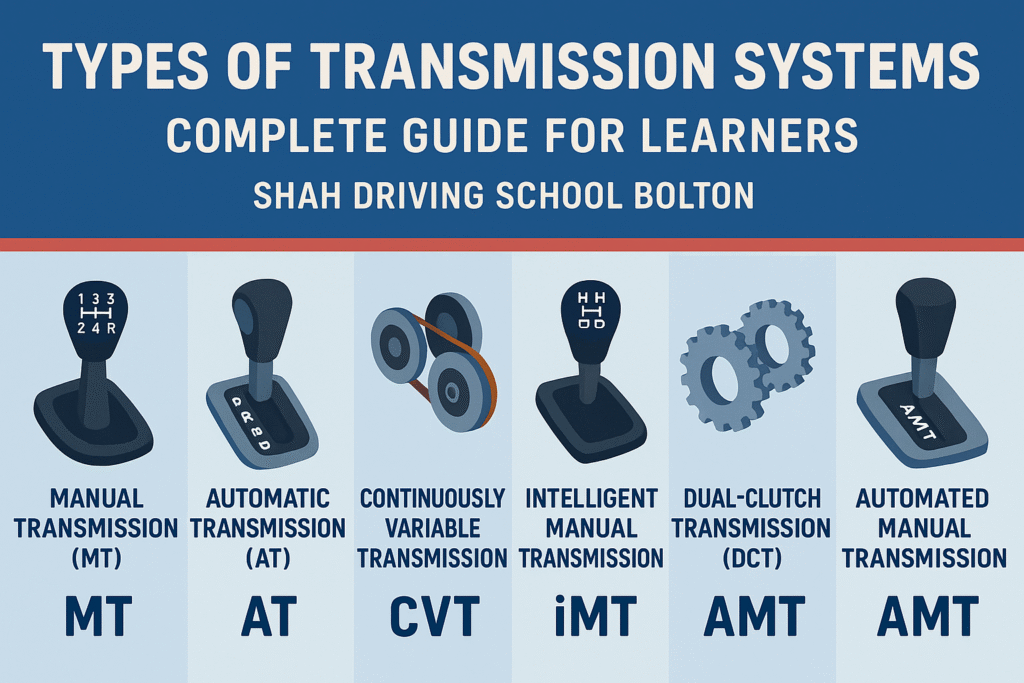
Automatic transmission systems make driving easier by changing gears without driver effort. These systems improve comfort and convenience. They suit city traffic and long highway trips alike. Different types of automatic transmissions offer unique features and benefits. Understanding each type helps in choosing the right vehicle.
Hydraulic Automatics
Hydraulic automatic transmissions use fluid pressure to shift gears smoothly. A torque converter replaces the clutch found in manual cars. This system adjusts gear changes based on speed and load. It delivers a soft and steady driving experience. Many older and some modern cars use this type.
Continuously Variable Transmissions
Continuously Variable Transmissions (CVT) provide endless gear ratios. They use belts and pulleys instead of fixed gears. This design helps maintain engine efficiency at all speeds. CVTs offer smooth acceleration without noticeable gear shifts. Many hybrid and economy cars feature CVT systems for fuel savings.
Dual-clutch Transmissions
Dual-Clutch Transmissions (DCT) use two separate clutches for odd and even gears. This setup allows faster gear changes than traditional automatics. DCTs combine the ease of automatic with the control of manual transmissions. Sports cars and some high-performance vehicles often use DCTs. They provide quick response and better fuel efficiency.
Manual Transmission Systems
Manual transmission systems are a common type of vehicle transmission. They require the driver to change gears manually. This system connects the engine to the wheels using a clutch and gear stick. It gives drivers control over the vehicle’s speed and power.
Many drivers enjoy the feeling of control and engagement manual transmissions provide. Learning how to operate one takes practice but offers a unique driving experience.
Gear Shifting Mechanisms
Manual transmissions use a gear stick to select different gears. Each gear changes how much power goes to the wheels. Drivers move the stick through a pattern called the “shift pattern.”
This pattern usually looks like an “H” shape. Moving the stick left or right and up or down changes gears. Lower gears give more power but less speed. Higher gears give more speed but less power.
Clutch Operation
The clutch is a pedal located to the left of the brake. Pressing it disconnects the engine from the wheels. This allows the driver to change gears smoothly.
Releasing the clutch connects the engine back to the wheels. It must be done carefully to avoid stalling or jerking. Good clutch control is key to smooth driving in a manual car.
Advantages And Limitations
Manual transmissions are often more fuel-efficient than automatic ones. They usually cost less to buy and repair. Drivers can control engine power better, useful in tough driving conditions.
They require more skill and attention. Shifting gears and using the clutch can be tiring in traffic. Some drivers find manuals difficult to learn or inconvenient in daily use.

Credit: www.youtube.com
Hybrid Transmission Systems
Hybrid transmission systems combine two types of power sources. They use both mechanical and electric power to move a vehicle. This blend helps cars run more smoothly and use less fuel. Hybrid systems are popular in modern cars.
Combining Mechanical And Electric
Hybrid systems use a traditional engine and an electric motor. The engine works like usual. The electric motor assists during acceleration or low speeds. This reduces the load on the engine. The system switches between power sources for better performance.
Types Of Hybrid Setups
There are different types of hybrid setups. Parallel hybrids use both engine and motor together. Series hybrids use the engine only to charge the battery. Plug-in hybrids have bigger batteries that recharge from the grid. Each type suits different driving needs.
Impact On Fuel Efficiency
Hybrid transmissions improve fuel efficiency a lot. The electric motor saves fuel in stop-and-go traffic. Using electric power reduces engine work and emissions. Drivers often see fewer trips to the gas station. This makes hybrids cost-effective and eco-friendly.
Emerging Transmission Technologies
Transmission systems are evolving fast. New technologies improve how power and data move. These emerging methods offer better efficiency and flexibility. They promise to change traditional transmission systems deeply.
Wireless Power Transfer
Wireless power transfer sends energy without wires. It uses magnetic fields or radio waves to move power. This method helps charge devices without plugs. It supports electric cars, phones, and small gadgets. Safety and distance are main challenges to solve.
Smart Transmission Systems
Smart transmission systems use sensors and computers. They monitor the flow of electricity in real time. These systems detect faults and adjust automatically. This reduces energy loss and prevents outages. Smart grids make power delivery more reliable and efficient.
Future Trends
Future transmission trends focus on sustainability and automation. More use of renewable energy sources is expected. Technologies like AI will help manage complex grids. Decentralized power generation will grow. The goal is clean, stable, and cost-effective transmission.
Credit: www.educba.com
Conclusion
Transmission systems come in many types, each with its own use. Manual, automatic, and CVT are common examples. Choosing the right system depends on your needs and vehicle type. Understanding these systems helps you make better decisions. They affect how smoothly your vehicle runs and how much fuel it uses.
Knowing their basics can save money and improve driving experience. Keep learning about transmissions to stay informed and confident. Simple knowledge goes a long way in car maintenance and care.