
Are your windshield wiper blades leaving streaks or missing spots? It might be time to swap out those old blades for new ones.
But before you rush to a mechanic, you can easily do this yourself—and save both time and money. Removing old windshield wiper blades is a simple task once you know the right steps. In this guide, you’ll discover clear, step-by-step instructions to get the job done quickly and safely.
Keep reading, and you’ll be wiping your windshield clean with brand-new blades in no time!
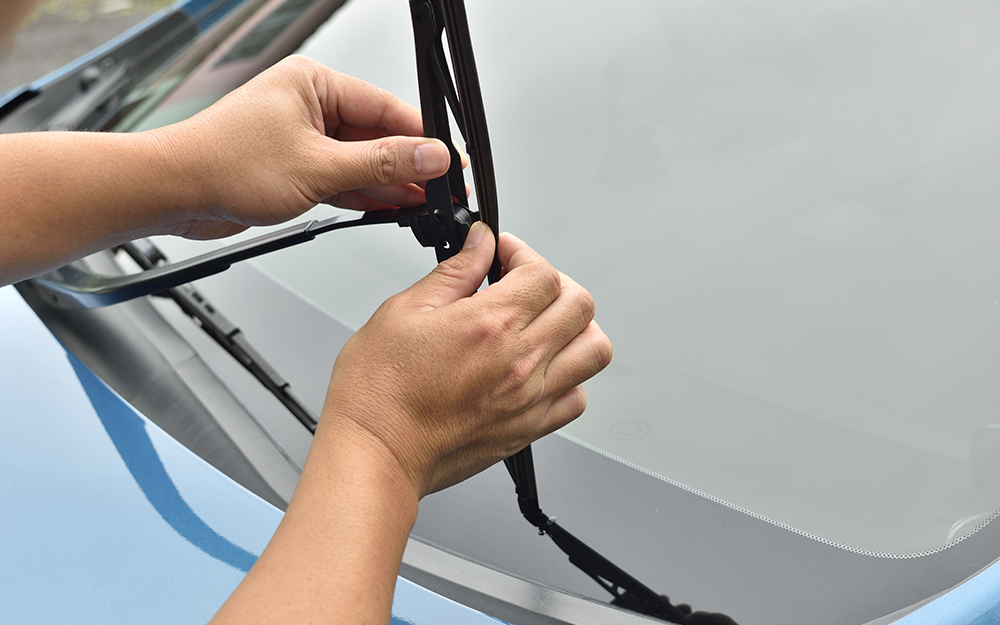
Check Wiper Blade Type
Checking the wiper blade type is a key step before removing old windshield wiper blades. It helps you understand the blade design and size. This knowledge ensures you get the right replacement blades that fit perfectly. Knowing your blade type also makes removal safer and easier.
Identify Blade Style
Start by looking closely at the blade’s attachment. Common styles include J-hook, bayonet, pin arm, and side pin. Each style has a unique connector shape. J-hook blades have a curved hook that holds the blade. Bayonet blades use a flat clip that snaps on. Pin arm blades connect with a small round pin. Side pin blades have a pin on the side of the arm. Identifying the style helps you choose the correct removal method and replacement blade.
Measure Blade Size
Next, measure the length of the wiper blade. Use a tape measure or ruler. Measure from end to end of the rubber blade, not the whole arm. Write down the size in inches or centimeters. Most cars use blades between 12 to 28 inches. Both blades may be different lengths, so measure each one. Knowing the exact size avoids buying blades that are too long or short. Properly sized blades wipe the windshield effectively and prevent damage.

Prepare Your Vehicle
Preparing your vehicle is the first step to removing old windshield wiper blades safely. Taking simple precautions protects both your car and yourself. Follow these steps carefully before starting the blade removal process.
Lift Wiper Arms
Gently lift the wiper arms away from the windshield. They should hold in an upright position. This exposes the wiper blades and makes removal easier. Avoid forcing the arms, as they can snap back suddenly.
Protect Windshield Surface
Place a soft cloth or towel on the windshield under the lifted wiper arms. This prevents scratches if the arm falls. The cloth acts as a cushion to protect the glass surface. Always take this step to avoid damage during the blade change.
Release Old Wiper Blades
Removing old windshield wiper blades starts with releasing them from the wiper arm. This step is simple but important. Properly releasing the blade avoids damage to the arm and windshield. Follow these clear steps to safely detach your old wiper blades.
Locate Release Mechanism
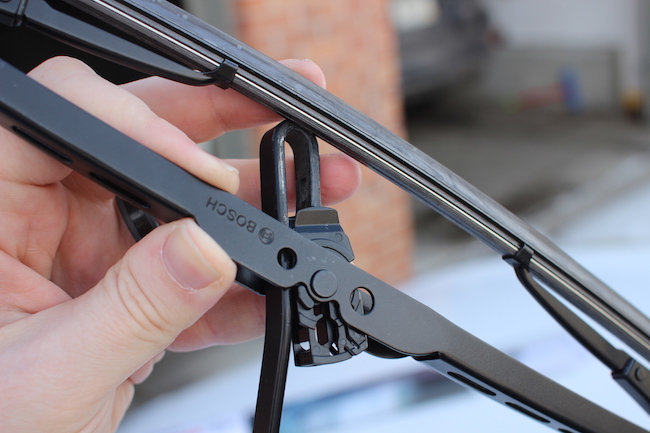
First, find the release mechanism on the wiper blade. It is usually a small clip or button near where the blade meets the arm. Look closely for a latch or tab that holds the blade in place.
Press Or Lift Clip
Next, press or lift the clip to unlock the blade. Use your thumb or finger to push the button or pull the tab gently. This action frees the blade from the hook or pin on the wiper arm.
Slide Blade Off Arm
After releasing the clip, slide the blade down the arm. Move it carefully to avoid bending the arm. Once free, the old blade can be removed completely. Now, your arm is ready for a new wiper blade.
Handle Stubborn Blades
Sometimes, old windshield wiper blades stick tight. Removing these stubborn blades takes care and the right method. Avoid damage to the wiper arm or windshield. Use simple tools and steady hands for best results. The following tips help handle tough blades safely and easily.
Use Wiper Arm Puller
A wiper arm puller is a helpful tool for stuck blades. It fits over the wiper arm and applies even pressure. Place the puller’s bolt against the wiper arm post. Turn the bolt slowly clockwise. This lifts the arm gently, loosening the blade from the windshield. The puller prevents bending or breaking the arm. Use it carefully for stubborn blades that won’t budge.
Apply Gentle Force
Try gentle force before using tools. Hold the wiper blade firmly at the connector. Press any locking tab or button to release it. Wiggle the blade back and forth slowly. Pull the blade straight away from the arm. Avoid sudden or strong pulls that may snap parts. Patience and soft pressure often free blades stuck from age or dirt. Repeat steps carefully until the blade detaches.
Remove Rear Wiper Blade
Removing the rear wiper blade is a simple task that improves your vehicle’s safety. Clear vision from the rear window helps avoid accidents. Old wiper blades can leave streaks and reduce visibility during rain or snow. This section explains how to remove the rear wiper blade carefully and safely.
Access Rear Wiper Arm
First, locate the rear wiper arm on your vehicle’s back window. Lift the wiper arm away from the glass gently. Some rear wipers do not lift fully, so move carefully to avoid damage. Check for a small tab or clip where the blade meets the arm. This clip holds the blade in place and needs to be pressed or pulled.
Follow Similar Steps
Press the tab or clip to release the blade. Slide the old wiper blade down or away from the wiper arm. It should come off easily with little force. If it sticks, wiggle it slightly to loosen. After removing the old blade, align the new blade with the arm. Slide it into place until you hear a click, indicating it is secure.
Clean Wiper Arm
Cleaning the wiper arm is a key step before removing old windshield wiper blades. A clean arm ensures smooth removal and prevents damage. Dirt and debris can stick to the arm and affect the new blade’s fit. Taking time to clean the wiper arm helps maintain your windshield wipers’ performance.
Remove Dirt And Debris
Start by lifting the wiper arm away from the windshield. Use a soft cloth or sponge with mild soap and water. Gently wipe the entire arm, focusing on the area where the blade attaches. Remove any dirt, leaves, or grime that may have built up. Rinse the arm with clean water and dry it with a clean cloth. Clean arms help the new blades fit securely and work better.
Check For Damage
After cleaning, carefully inspect the wiper arm for any signs of damage. Look for bends, cracks, or rust. Damaged arms can cause the blades to skip or scratch the windshield. If you notice any issues, consider replacing the wiper arm before installing new blades. Healthy arms ensure the best contact between the blade and windshield, improving visibility and safety.
Install New Wiper Blades
Installing new wiper blades is a simple task that improves your driving safety. Proper installation ensures clear visibility in rain or snow. Follow easy steps to fit your new blades correctly.
Align Blade Connector
Hold the new wiper blade near the arm. Match the connector with the hook or adapter. Make sure the blade faces the right direction. Align it carefully to avoid damage.
Slide Until Click
Gently slide the blade into the arm’s connector. Push it until you hear a clear click. This sound means the blade locks in place. Avoid forcing it to prevent breaking.
Test Blade Movement
Lower the wiper arm slowly onto the windshield. Turn on your wipers to check smooth movement. The blades should sweep without skipping or noise. Confirm they fit securely and work well.
Check Blade Performance
Checking the performance of your windshield wiper blades is a key step before deciding to replace them. Wiper blades that do not clear water properly can reduce visibility and make driving dangerous. Testing the blades on a wet windshield helps you see if they work well or need adjustment. This simple check can save time and ensure your safety on the road.
Test On Wet Windshield
Start by wetting your windshield with water. Turn on the wipers and watch how they move across the glass. Good blades should clear the water in smooth, even strokes without leaving streaks. If you see smears, skips, or patches of water left behind, the blades may be worn or damaged. Also listen for any unusual sounds like squeaking or chattering. These signs mean the blades are not making proper contact with the glass.
Adjust If Necessary
If the blades miss spots or make noise, try adjusting them first. Gently lift the wiper arm and reposition the blade so it sits evenly on the glass. Sometimes dirt or debris can block the blade’s path, so clean the rubber edge and windshield. After cleaning and adjusting, test the blades again. If they still perform poorly, it is time to replace the old blades with new ones for clear vision and safe driving.
Conclusion
Removing old windshield wiper blades is simple and quick. Start by lifting the wiper arm away from the glass. Press the release tab and slide the blade off carefully. Avoid scratching your windshield by placing a cloth beneath the arm.
Replacing the blade takes just the reverse steps. Regularly changing wiper blades keeps your view clear and safe. Now, you can handle this task with confidence anytime. Keep your car ready for any weather with clean, functional wipers.