
When cold weather strikes, ice can quickly turn your windshield into a frosty barrier that blocks your view. You might wonder, “Can windshield wiper fluid melt ice and save me the hassle of scraping?” It’s a common question, especially when you’re in a rush and want to get on the road safely.
The truth is, not all windshield wiper fluids are created equal, and understanding how they work can make a big difference in winter driving. You’ll discover whether your windshield wiper fluid can really melt ice, how to choose the right type, and what tricks you can use to keep your windshield clear when temperatures drop.
Stay with us—you’ll never face an icy windshield unprepared again!
Windshield Fluid Ingredients
Understanding what makes up windshield wiper fluid helps explain its effect on ice. The ingredients vary based on the season and purpose. Some components clean dirt and grime, while others help in cold weather. These ingredients work together to improve visibility and safety on the road.
Water And Detergents
Water is the main part of most windshield fluids. It helps dissolve dirt and dust on the glass. Detergents are added to break down oily substances and bugs. This combination cleans the windshield effectively but does little to melt ice by itself.
Alcohol Components
Alcohols like methanol or isopropanol lower the freezing point of the fluid. This helps prevent the fluid from freezing inside the reservoir. Some winter formulas include more alcohol to resist cold temperatures. However, the alcohol level is usually too low to melt thick ice on the windshield.
Solvents And Additives
Solvents help remove stubborn grime and road salt. Additives improve cleaning power and protect the vehicle’s paint and rubber parts. Some fluids include anti-freeze agents to stop ice formation. These ingredients support ice prevention but rarely melt heavy ice quickly.
Ice Melting Capabilities
Windshield wiper fluid plays a role in clearing your windshield, but its ability to melt ice varies. Understanding its ice melting capabilities helps you choose the right solution for winter driving. This section explains how windshield wiper fluid works on ice, its limits, and the role of alcohol content.
Effect On Thin Ice Layers
Windshield wiper fluid can help soften thin ice layers. The fluid’s liquid form mixes with ice, making it easier to remove. Thin ice may begin to melt slightly as the fluid lowers the freezing point. This effect helps your wipers clear small ice patches faster. Still, fluid alone might not fully remove thick ice sheets.
Limitations On Thick Ice
Thick ice resists melting from windshield wiper fluid. The fluid cannot penetrate dense ice layers deeply. Wiper fluid mainly cleans dirt and light frost, not heavy ice buildup. For thick ice, physical scraping or dedicated de-icer sprays work better. Relying only on wiper fluid may leave ice on your windshield, reducing visibility and safety.
Role Of Alcohol Content
Alcohol is a key ingredient that helps prevent fluid freezing. It lowers the freezing point of the liquid, allowing it to remain liquid in cold weather. Some winter windshield fluids contain methanol or ethanol for this reason. Higher alcohol content improves ice melting power but varies by product. Regular wiper fluid has less alcohol and melts ice less effectively.
Winter Blend Fluids
Winter blend windshield wiper fluids are specially made for cold weather. They contain ingredients that keep the fluid from freezing. These fluids help clear your windshield in icy conditions. Using the right winter blend fluid improves visibility and safety while driving.
Alcohol Types Used
Winter blend fluids often contain alcohol to lower freezing points. Common types include methanol and ethanol. These alcohols mix well with water and other ingredients. They help the fluid stay liquid in cold weather. The alcohol content varies but is enough to prevent freezing.
Freezing Point Reduction
The alcohol in winter blend fluids reduces the freezing point of the liquid. This means the fluid can stay liquid at temperatures below zero degrees Celsius. It stops the fluid from turning into ice inside the washer tank and on the windshield. This feature makes winter blends effective in cold climates.
Preventing Fluid Freezing
Winter blend fluids prevent freezing by combining alcohol with antifreeze agents. This mix stops the fluid from solidifying in cold weather. It also helps melt light frost and thin ice on the windshield. Using winter blend fluid ensures your wiper system works well in winter.
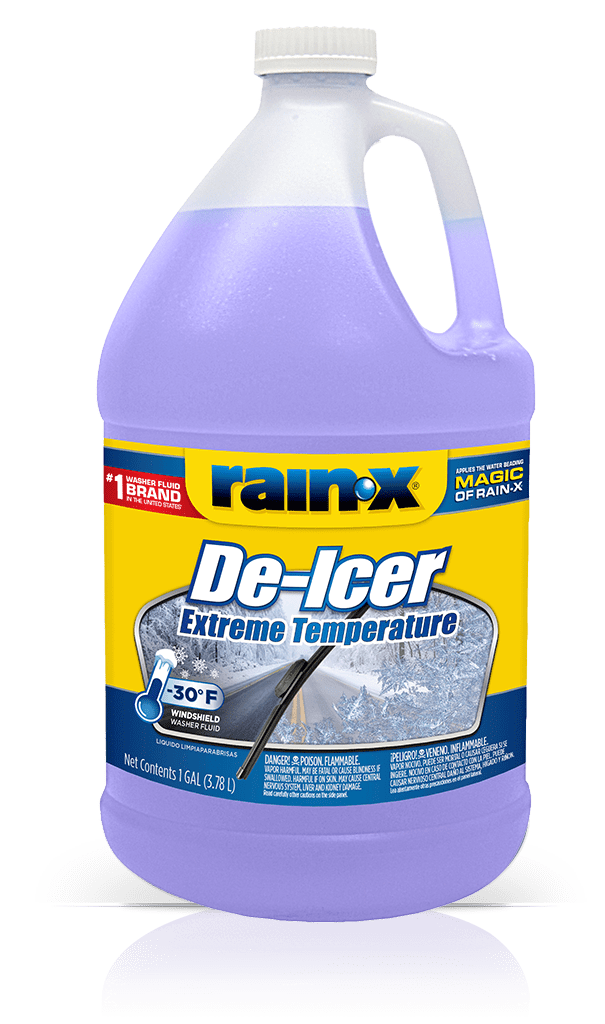
Using De-icer Sprays
Using de-icer sprays provides a quick way to melt ice on your windshield. These sprays contain chemicals that lower the freezing point of water. This action helps break down ice and frost fast. De-icer sprays improve visibility and safety while driving in cold weather. Both commercial products and DIY solutions offer effective options. Proper application ensures the best results and protects your vehicle’s surface.
Commercial Products
Many brands offer ready-to-use de-icer sprays. Prestone, CRC, Splash, E·Z·R, and Polar are popular choices. These sprays come in aerosol or trigger bottles for easy use. They melt ice quickly and prevent refreezing. Most formulas are safe for paint, rubber, and plastic parts. Some even include built-in scrapers for added convenience.
Diy Solutions
Making your own de-icer spray is simple and cost-effective. Mix water with isopropyl alcohol in a 2:1 ratio. Add a few drops of dish soap to help spread the solution. The alcohol lowers the freezing point to melt ice fast. Spray the solution on the icy windshield and wait a minute. Then use wipers or a scraper to clear the glass.
Application Tips
Start your car and turn on the defroster to warm the windshield. Spray the de-icer evenly over the icy surface. Let the spray sit for 30 to 60 seconds to work effectively. Use windshield wipers or a plastic scraper to remove loosened ice. Avoid hot water, as it can crack the glass. Keep a spray bottle in your car for emergencies during winter.
Proper Usage Techniques
Using windshield wiper fluid to melt ice requires the right steps. Proper techniques help clear your windshield safely and quickly. Follow these simple actions for best results during icy conditions.
Starting Defroster
Turn on your car and activate the defroster. This warms the glass from inside. Heat softens the ice and prevents new frost from forming. Wait a few minutes to let the heat spread evenly.
Spraying And Waiting
Spray windshield wiper fluid evenly across the icy surface. Use a winter blend with alcohol for better melting power. Let the fluid sit for about 30 seconds. The alcohol lowers ice’s freezing point and loosens it.
Wiper Operation
Turn on your windshield wipers after spraying. The fluid helps break down ice while wipers push it off. Avoid using dry wipers on thick ice to prevent damage. Use low speed to protect the blades and glass.
Scraping Ice
Use a plastic ice scraper to remove stubborn ice patches. Scrape gently to avoid scratching the glass. Combine scraping with fluid spraying for faster results. Always carry a scraper during winter for emergencies.
Safety Considerations
Safety is key when dealing with ice on your windshield. Using the right method protects your vehicle and keeps you safe. Some common practices can cause damage or danger. Understanding safety considerations helps you avoid these problems.
Avoiding Hot Water
Never pour hot water on an icy windshield. The sudden temperature change can crack your glass. Cracked windshields are costly to repair and unsafe to drive with. Use safe methods like de-icer sprays or windshield wiper fluid instead. These options work slowly and prevent sudden glass damage.
Protecting Glass And Paint
Choose products that are safe for glass and paint. Some chemicals can damage your windshield or car’s paint job. Read labels carefully before use. Avoid harsh solvents or abrasive scrapers. Use soft tools and gentle sprays to melt ice. This care extends your car’s lifespan and keeps it looking good.
Handling Extreme Cold
In very cold weather, some fluids freeze and become useless. Use windshield wiper fluid with antifreeze properties. These fluids contain alcohol to lower the freezing point. Keep extra fluid in your car during winter months. Regularly check your fluid level to ensure it works when needed most.
Alternative Uses
Windshield wiper fluid is mostly known for cleaning windshields. It also contains ingredients that can help in icy conditions. Beyond its main use, it can have alternative uses during winter months. These uses can provide quick help in freezing situations.
Melting Ice On Sidewalks
Wiper fluid can help melt ice on small sidewalk areas. The alcohol in the fluid lowers the freezing point of water. Spraying it on thin ice layers can soften them. It works best on fresh, thin ice. It is not a replacement for salt or commercial de-icers. Use it in small amounts to avoid slippery patches.
Emergency Situations
In emergencies, windshield wiper fluid can be handy to melt ice on car windows. It can also clear frozen locks or door seals. Carrying a bottle during winter trips is a good idea. Spraying it on frozen spots can save time and effort. It is a quick fix but should not replace proper winter tools. Use it cautiously to avoid damage to paint or rubber.


Conclusion
Windshield wiper fluid alone rarely melts thick ice on windshields. Winter formulas can prevent freezing but don’t fully remove ice. Using a proper de-icer spray works much better for quick ice removal. Combining defrosters, de-icers, and wipers ensures clearer visibility.
Always keep safe tools ready during cold weather. Simple steps help maintain safe driving in icy conditions.