
Have you ever wondered if you can just pour antifreeze into your windshield wiper fluid reservoir to keep it from freezing in cold weather? It sounds like a simple fix, right?
But before you reach for that bottle of antifreeze, you need to know the real risks and consequences. Using the wrong fluid can damage your car’s windshield washer system, cause streaks that block your view, and even harm your vehicle’s paint.
You’ll discover why antifreeze is not the answer, what safe alternatives you can use, and how to keep your windshield clear and your car protected—no matter the weather. Keep reading to make sure you never make this costly mistake.
Antifreeze Vs Washer Fluid
Understanding the difference between antifreeze and windshield washer fluid is important for car maintenance. Both liquids serve to protect your vehicle, but they have different roles. Using the wrong fluid can cause damage or reduce performance. This section explains how antifreeze and washer fluid differ.
Chemical Composition Differences
Antifreeze mainly contains ethylene glycol or propylene glycol. It prevents engine coolant from freezing and overheating. Washer fluid is mostly water mixed with methanol or ethanol. It cleans the windshield and helps prevent freezing in cold weather. The chemicals in antifreeze are toxic and thick. Washer fluid is thinner and safer for windshield use.
Designed Purposes
Antifreeze is designed to regulate engine temperature. It circulates through the engine to stop freezing and overheating. Washer fluid is meant to clean dirt and grime off the windshield. It also helps remove bugs and road salt. Washer fluid sprays evenly and evaporates quickly. Antifreeze is not made for spraying on glass.
Potential Risks Of Mixing
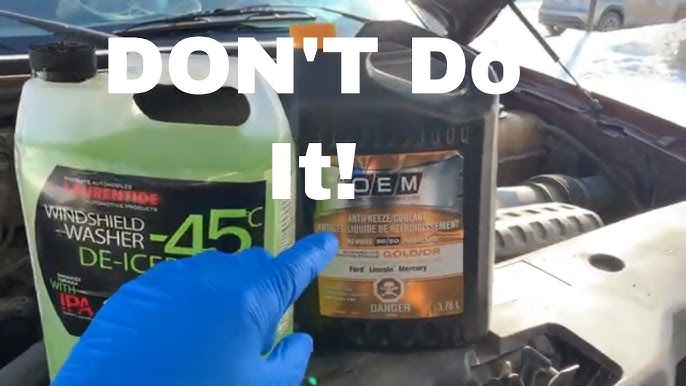
Adding antifreeze to windshield washer fluid can clog the washer system. The thick antifreeze may block pumps and nozzles. It can leave streaks and reduce visibility while driving. Antifreeze chemicals can damage the car paint and windshield rubber seals. Mixing these fluids may also cause toxic fumes. Use only the recommended washer fluid to avoid these risks.
Effects Of Antifreeze In Washer System
Using antifreeze in your windshield washer fluid might seem like a quick fix for freezing problems. The effects on the washer system can be harmful. This is because antifreeze is not made for the windshield washer system. It can cause several issues that affect the performance and safety of your vehicle.
Pump And Nozzle Damage
The pump and nozzles are designed for fluid with low viscosity. Antifreeze is thicker and can strain the pump. This extra strain may cause the pump to fail early. Nozzles may also get damaged or cracked from antifreeze’s chemicals. These damages lead to costly repairs and reduced washer system life.
Clogging Issues
Antifreeze can leave behind residues inside the washer lines. These residues build up and block the fluid flow. Blocked lines stop the washer fluid from reaching the windshield. This leaves dirt and grime on the glass. Clogs can also cause pressure buildup, damaging seals and hoses.
Visibility And Streaking Problems
Antifreeze does not clean like windshield washer fluid. It can leave streaks and films on the glass. These streaks reduce visibility and can be dangerous while driving. The chemicals in antifreeze may also react with dirt, making cleaning harder. Clear vision is critical, so using the right fluid matters.
Safe Alternatives For Winter
Winter brings freezing temperatures that can freeze regular windshield washer fluid. Protecting your windshield and wiper system is vital for clear vision and safe driving. Using the right fluid keeps your windshield clean and prevents ice build-up. Some common fluids can freeze or damage your car parts. Choosing safe alternatives prevents costly repairs and improves winter driving safety.
Commercial Winter Washer Fluids
Commercial winter washer fluids are made for cold weather. They contain antifreeze agents that stop freezing. These fluids clean well and protect your car’s system. They come ready to use or concentrated for mixing. Using them avoids damage to pumps and nozzles. Buy fluids labeled for winter or below-freezing use. They keep your windshield clear and prevent ice build-up.
Isopropyl Alcohol Additions
Isopropyl alcohol helps prevent freezing in windshield fluid. Add about one part alcohol to two parts water. This mix lowers freezing point and cleans dirt and grime. Use 70% or higher isopropyl alcohol for best results. Avoid pure alcohol as it may harm paint or rubber parts. Label homemade mixtures and store safely away from children. This option is cheap and effective for mild winter conditions.
High-proof Vodka As Substitute
High-proof vodka can replace alcohol in winter washer fluid. It contains enough alcohol to lower freezing point. Mix vodka with water at similar ratios as isopropyl alcohol. Vodka is less harsh on car surfaces and still cleans well. It works best when commercial fluids are not available. Store homemade fluid safely and keep bottles sealed tightly. Vodka is a practical choice for light winter use.

Diy Washer Fluid Recipes
Making your own windshield washer fluid can save money and help you control ingredients. DIY washer fluid recipes offer simple ways to keep your windshield clean and prevent freezing during cold months. You can mix common household items to create an effective solution that suits your needs.
Basic Alcohol And Water Mix
A simple recipe uses rubbing alcohol and water. Mix two parts water with one part isopropyl alcohol. This blend helps prevent freezing and cleans dirt effectively. Use a spray bottle or pour directly into the washer fluid reservoir. Avoid pure alcohol as it can be too strong and damage parts.
Adding Dish Soap For Cleaning
Add a few drops of mild dish soap to the alcohol and water mix. Soap helps break down grease and grime on the windshield. Use just a small amount to avoid foam buildup or clogging nozzles. Stir gently and test the solution on your car before regular use.
Avoiding Toxic Ingredients
Never use automotive antifreeze in your washer fluid. It contains ethylene glycol, which is toxic and can harm your car’s paint and parts. Stick to safe, non-toxic ingredients like isopropyl alcohol and mild soap. Always label homemade solutions clearly and keep them away from children and pets.
Best Practices For Maintenance
Maintaining your windshield wiper fluid system properly ensures clear visibility and safe driving. Using the right fluids and handling them carefully prevents damage to your vehicle. Follow these best practices for maintenance to keep your windshield washer system working well in all seasons.
Avoid Mixing Fluids
Do not mix antifreeze with windshield wiper fluid. These fluids have different formulas and purposes. Mixing can cause clogs and damage the pump or nozzles. Use only fluids designed for windshield washers. If you need extra freezing protection, choose a winter-specific washer fluid.
Proper Labeling And Storage
Always label homemade or mixed fluids clearly. Store them in safe, sealed containers away from children and pets. Keep fluids in a cool, dry place to maintain their effectiveness. Proper storage prevents accidental use and potential hazards.
Handling Alcohol Safely
Many winter washer fluids contain alcohol to prevent freezing. Handle isopropyl alcohol carefully to avoid spills and skin contact. Use it in well-ventilated areas and keep it away from flames. Follow safety instructions on the product label to protect yourself and your vehicle.
Common Substitutes To Avoid
Many people try to save money by using household liquids as windshield wiper fluid substitutes. These common alternatives might seem handy but can harm your vehicle. Understanding why to avoid them helps protect your car and maintain clear visibility.
Plain Water Limitations
Plain water freezes quickly in cold weather. It does not clean dirt or grime well. Using only water can cause your washer system to freeze and crack. Water also leaves spots and streaks on the windshield. It lacks additives that protect the vehicle’s components.
Glass Cleaner Risks
Glass cleaners often contain chemicals not meant for wipers. These chemicals can damage rubber wiper blades. They may leave a residue that reduces visibility. Some cleaners can harm the paint or trim of your car. Using glass cleaner can clog the washer nozzles over time.
Ammonia And Soap Concerns
Ammonia is a harsh chemical that can cause damage to car surfaces. Soap can create excessive suds that block the washer system. Both ingredients can reduce the effectiveness of the spray. They may also cause streaking or fogging on the glass. Avoid these to keep your windshield clear and safe.

Conclusion
Adding antifreeze to windshield wiper fluid is not a good idea. Antifreeze can clog the washer system and damage parts. It also may cause streaks, reducing your visibility. Use a winter-specific washer fluid instead. These fluids prevent freezing and clean well.
You can add rubbing alcohol for extra freeze protection. Avoid mixing fluids unless sure they work together. Keep your car safe and your windshield clear with proper fluid. Simple steps help you drive safely in cold weather.