
Have you ever wondered if pouring cold water on a hot windshield can cause it to crack? It might seem like a quick fix to cool down your car’s glass on a scorching day, but this common action could lead to costly damage.
Your windshield is made of tempered glass designed to handle some stress, but sudden temperature changes can create invisible weak spots or even visible cracks. Before you grab that cold water bottle next time the Texas heat hits your car, it’s important to understand why this happens and how you can protect your windshield from unexpected breaks.
Keep reading to learn the surprising science behind glass and temperature—and how to keep your windshield safe no matter the weather.
Thermal Stress On Windshields
Thermal stress on windshields happens when glass faces sudden temperature changes. This stress can make the glass crack or weaken. Understanding how glass reacts helps explain why cold water on a hot windshield is risky.
How Glass Reacts To Heat
Glass expands when it gets hot. The heat causes the molecules inside to move faster. This makes the glass grow in size slightly. The expansion is usually slow and even. This slow change lets the glass handle heat without damage.
But heat is not the only factor. The way glass cools also matters a lot. If cooling happens unevenly, it creates pressure inside the glass. This pressure can lead to cracks or breaks.
Effects Of Rapid Temperature Changes
Rapid cooling or heating causes uneven expansion or contraction. Cold water on a hot windshield cools the glass too fast. The outside cools quickly, but the inside stays hot. This difference creates strong stress inside the glass.
Such stress can cause cracks, even if the glass looked fine before. These cracks start small but can grow larger over time. That is why sudden temperature changes are dangerous for windshields.

Cold Water Impact On Hot Glass
Cold water hitting hot glass causes sudden temperature change. This quick shift stresses the glass surface. Such stress can lead to cracks or chips. Understanding how cold water impacts hot glass helps prevent damage.
Mechanism Of Cracking
Glass expands when heated and contracts when cooled. A hot windshield is already expanded. Pouring cold water cools parts of the glass quickly. This uneven temperature causes some areas to shrink fast. The difference in expansion and contraction creates tension inside the glass. If the tension is strong, the glass cracks. Small chips or weak spots worsen the risk.
Thermal Shock Explained
Thermal shock happens when glass faces rapid temperature change. The surface cools or heats faster than inner layers. This mismatch causes stress. Glass resists stress up to a point. Beyond that, it breaks. Hot windshields are vulnerable to thermal shock. Cold water acts as a sudden cooling agent. It can cause cracks to form or spread quickly.
Common Scenarios Of Damage
Windshields face stress from sudden temperature changes. These changes can cause cracks or chips. Understanding common damage scenarios helps protect your car glass. Hot weather and cold water often cause problems. Below are typical situations where damage happens.
Using Cold Water During Heatwaves
Pouring cold water on a hot windshield is risky. The glass heats up and expands in the sun. Cold water cools the glass quickly. This sudden change causes the glass to contract fast. The fast shift in temperature creates stress inside the glass. Stress can lead to cracks or even shattering. Many drivers do this to clear dust or dirt. It seems harmless but can cause serious damage.
Car Wash Risks In Summer
Summer car washes can harm your windshield too. Some automatic car washes use cold water on hot cars. The quick temperature drop may cause cracks. High-pressure water jets add extra force. Combined with temperature stress, this can weaken the glass. Hand washing with cold water on a hot car has similar risks. Warm water or waiting for the car to cool lowers danger.

Preventing Windshield Cracks
Preventing windshield cracks is essential to keep your vehicle safe and avoid costly repairs. Windshields face stress from temperature changes that can cause damage. Sudden shifts in temperature make glass expand or contract quickly. This can create cracks or worsen existing chips. Taking simple precautions helps protect your windshield and extend its life.
Safe Ways To Cool Down Glass
Avoid pouring cold water on a hot windshield. Sudden cooling causes thermal shock and weakens the glass. Instead, park your car in the shade to lower the temperature naturally. Use a sunshade inside your windshield to block direct sunlight. Crack your windows slightly to let hot air escape. These methods cool the glass gradually and reduce stress.
Alternatives To Cold Water
Use lukewarm water to clean a hot windshield safely. It is closer to the glass temperature and less likely to cause damage. Another option is using a spray bottle with water at room temperature. Gently mist the glass to avoid sudden temperature changes. Avoid strong chemicals or abrasive materials that may harm the glass surface. Regular maintenance and cautious cleaning protect your windshield better.
Repair And Maintenance Tips
Repair and maintenance play a big role in keeping your windshield safe. Small cracks can turn into big problems quickly. Proper care helps avoid costly replacements. Below are tips to manage windshield damage effectively.
Early Crack Detection
Check your windshield often for tiny cracks or chips. These small defects may seem harmless. Act fast to stop cracks from growing. Use a magnifying glass if needed. Clean the glass gently to spot damage clearly. Early repair often costs less and keeps you safer on the road.
When To Seek Professional Help
Some cracks need expert attention immediately. Long, deep, or spreading cracks weaken the glass. Also, damage near the edges can cause the windshield to fail. Professionals have tools to fix or replace glass safely. Visit a certified auto glass shop for reliable service. Do not delay repairs to avoid further damage or accidents.
Myths About Windshield Damage
Many people worry about damaging their windshield by pouring cold water on it after driving in hot weather. This concern has created several myths about how temperature changes affect auto glass. Understanding the truth can help protect your windshield and avoid unnecessary repairs.
Glass can be sensitive to rapid temperature changes. Yet, not all fears about hot and cold water causing cracks are true. Clearing up these myths helps car owners make safer choices during hot days.
Hot Vs Cold Water Myths
One myth claims that pouring cold water on a hot windshield will always cause it to crack instantly. This idea comes from the fact that glass expands in heat and contracts in cold. Sudden temperature change can stress the glass, but modern windshields are designed to handle normal weather shifts.
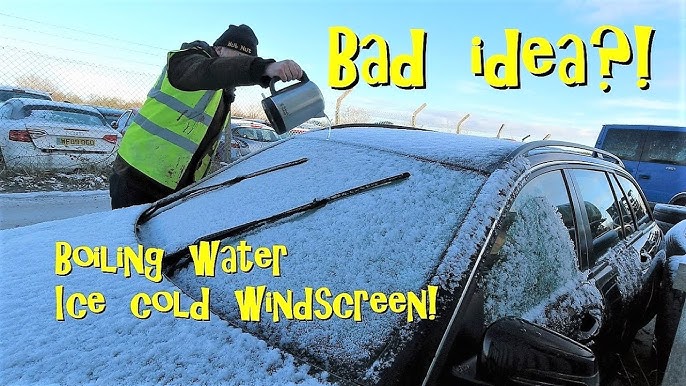
Another myth states that only cold water causes cracks while hot water is safe. Both hot and cold water can cause stress if the temperature difference is extreme. The real risk comes from very rapid changes, like pouring ice-cold water on glass heated by the sun.
Debunking Common Misconceptions
Not all cracks happen because of water temperature. Many cracks start from existing chips or flaws in the glass. Weak spots expand under stress, whether from heat or cold.
Pouring water on a windshield is unlikely to cause a crack if done carefully. Using lukewarm water is safer than very cold water on a hot windshield. Avoiding sudden temperature shocks protects the glass.
In most cases, cracks develop from impacts or long-term wear, not a single temperature change. Regular inspection and prompt repair of chips help keep the windshield strong.
Conclusion
Cold water on a hot windshield can cause sudden glass stress. This stress may lead to cracks or chips forming quickly. Avoid pouring cold water on heated glass surfaces. Instead, wait for the windshield to cool down naturally. Taking care helps keep your windshield safe and strong.
Small cracks can grow bigger and cost more to fix. Protect your car by handling your windshield with care. Prevent damage by understanding how temperature changes affect glass. Stay safe and avoid sudden temperature shocks to your windshield.