
Are you looking to upgrade your ride’s look and performance? Choosing the right low-profile tires can make a huge difference.
But with so many types out there, it’s easy to feel lost. Understanding which low-profile tires suit your driving style and vehicle can save you money and boost your safety. You’ll discover the key types of low-profile tires and how they can transform your driving experience.
Keep reading to find the perfect fit for your wheels!
What Are Low-profile Tires
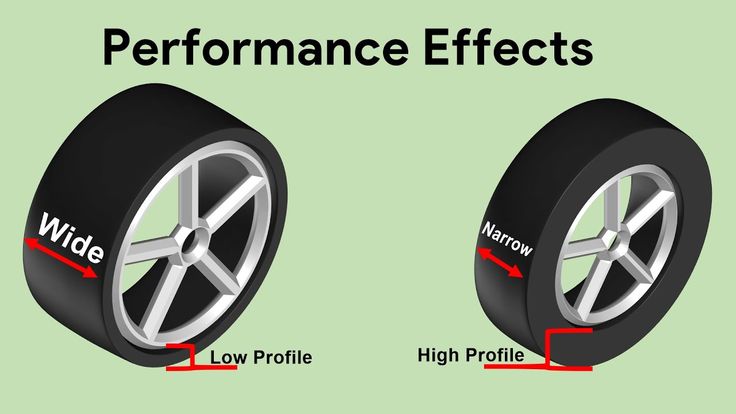
Low-profile tires have shorter sidewalls compared to regular tires. This means the height of the tire’s side is smaller than usual. These tires often come with larger wheel diameters. They give a sportier look to vehicles.
These tires improve handling by reducing sidewall flex. They offer better road grip during turns. Many drivers prefer them for a sharp driving feel. Yet, they can make rides a bit firmer.
Definition Of Low-profile Tires
Low-profile tires have a low aspect ratio. The aspect ratio is the height of the sidewall divided by the tire’s width. For example, a tire with a 40 aspect ratio has a sidewall height equal to 40% of its width.
Regular tires usually have higher aspect ratios, like 60 or 70. Low-profile tires typically range from 30 to 50. The smaller sidewall creates a sleek tire shape.
Common Uses Of Low-profile Tires
Sports cars often use low-profile tires for better control. These tires help improve cornering and braking. Luxury cars may use them for style and performance. Some SUVs and trucks have low-profile tires for a modern look.
They are not ideal for rough roads. The shorter sidewall offers less cushioning on bumps. These tires work best on smooth, paved surfaces.
How To Identify Low-profile Tires
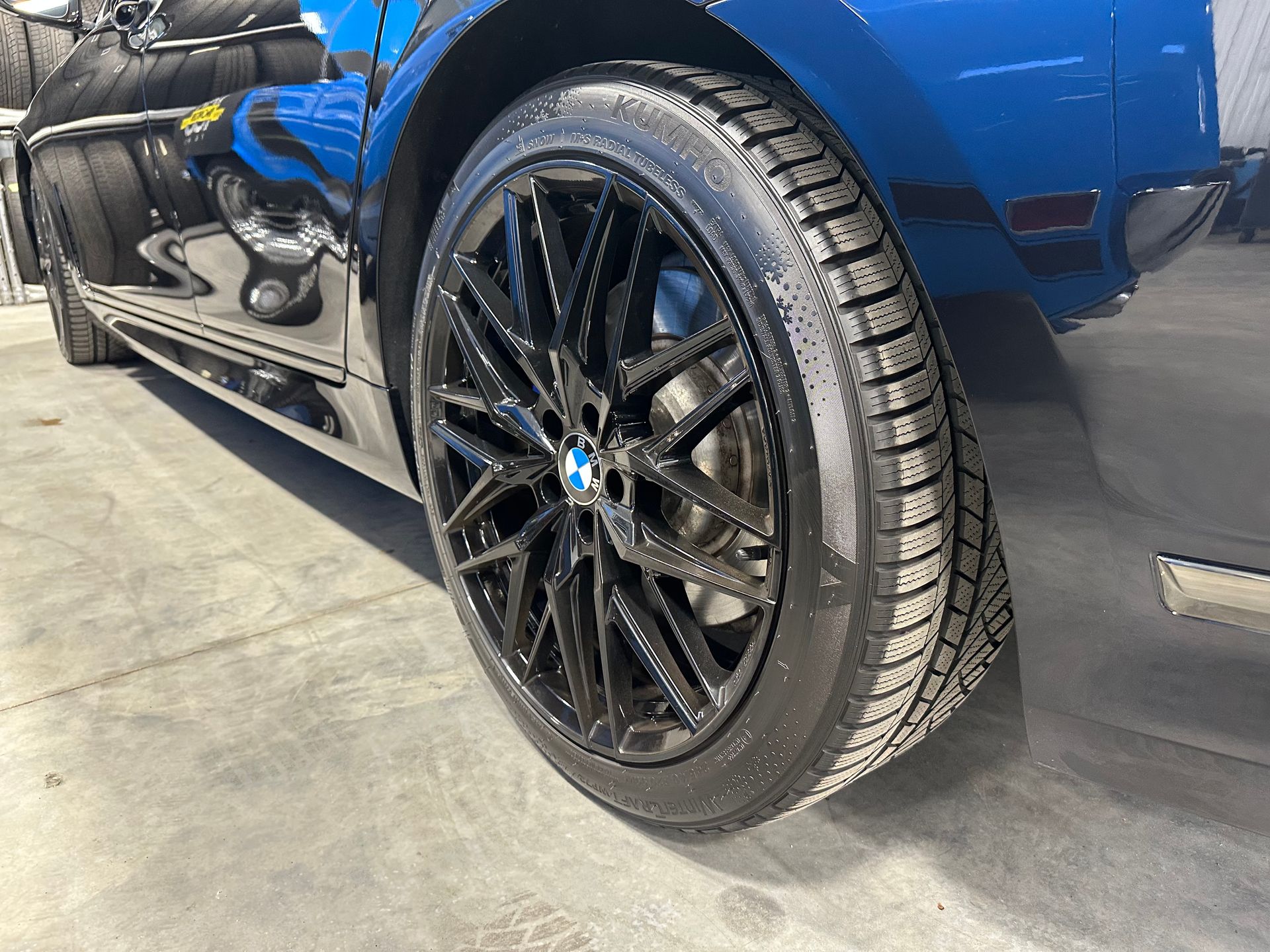
Look at the tire size code on the sidewall. It shows numbers like 225/40R18. The middle number is the aspect ratio. Low-profile tires have a smaller middle number.
The larger the wheel diameter, the more likely the tire is low-profile. The sidewall looks thin compared to the width. This visual clue helps spot them quickly.
Credit: www.louscarcare.com
Benefits Of Low-profile Tires
Low-profile tires bring several advantages to drivers who want better performance and style. These tires have shorter sidewalls and wider treads. This design affects how the car handles and looks. Many drivers prefer them for their balance of comfort and control.
Enhanced Handling
Low-profile tires improve vehicle handling on the road. The shorter sidewalls reduce tire flex during turns. This helps the car stay stable and responsive. Drivers can feel more control when steering at higher speeds. These tires also provide better grip on dry surfaces.
Improved Aesthetics
Low-profile tires give cars a sportier and modern look. Their wide tread and slim sidewalls highlight the wheels. This makes the entire vehicle appear more aggressive and stylish. Many car enthusiasts choose them to enhance the vehicle’s visual appeal.
Better Road Feedback
These tires offer more direct feedback from the road surface. Drivers can sense small changes in texture and grip. This helps them react quickly to different driving conditions. The connection between car and road feels stronger and more precise.
Common Types Of Low-profile Tires
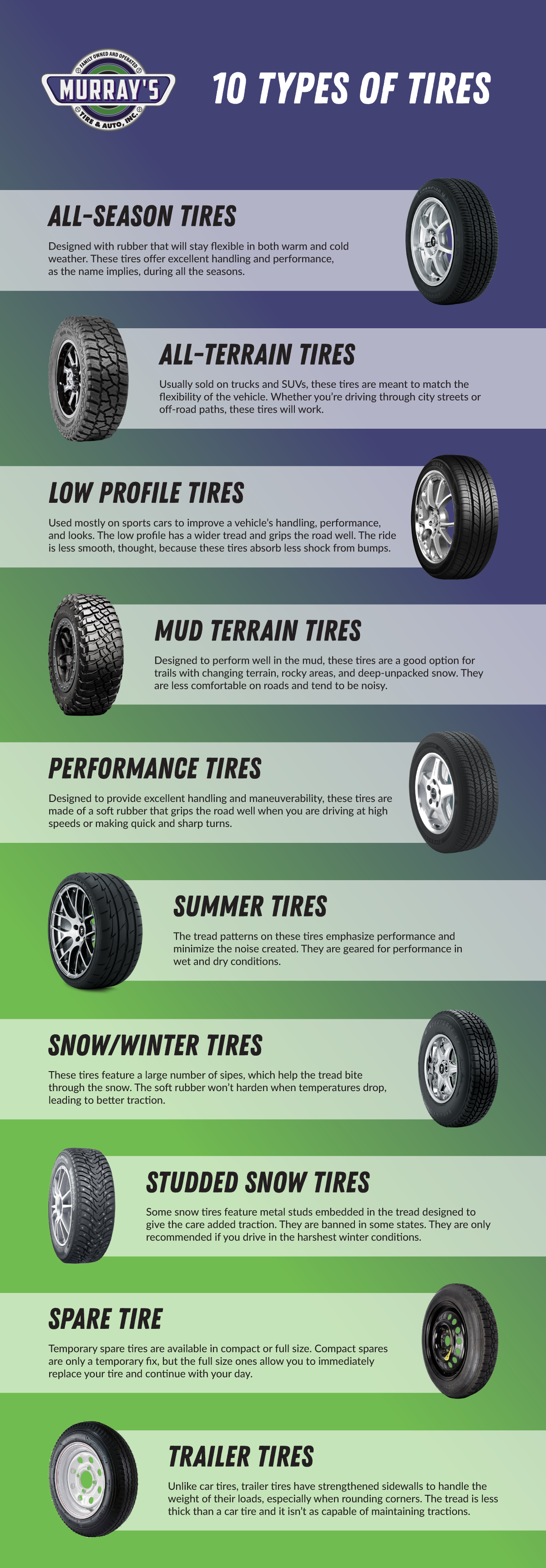
Low-profile tires offer a sleek look and better handling for many drivers. They have shorter sidewalls compared to regular tires. This design improves steering response and road grip. Below are common types of low-profile tires that suit different driving needs.
Performance Tires
Performance tires focus on speed and sharp cornering. Their design enhances traction on dry and wet roads. They use softer rubber for better grip but wear faster. These tires suit sports cars and drivers who want quick handling.
Touring Tires
Touring tires balance comfort and performance. They provide a smooth ride with low road noise. Their tread lasts longer than performance tires. These tires fit daily driving and long trips well.
All-season Tires
All-season tires work in many weather conditions. They perform well in rain and light snow. Their tread design helps with water evacuation. These tires are good for drivers who face varied climates.
Run-flat Tires
Run-flat tires let you drive after a puncture. They have reinforced sidewalls to support the car. You can drive safely for a short distance without changing the tire. These are useful for extra safety on the road.
Credit: murraystirebargains.com
Choosing Tires For Performance
Choosing tires for performance means finding the right balance of speed, grip, and handling. Low-profile tires improve vehicle control and response. They offer better road contact and sharper steering. Selecting the best tire depends on your driving needs and conditions.
Grip And Traction
Grip helps your car stick to the road. Good traction improves safety and performance. Tires with soft rubber compounds usually have better grip. They work well on dry and wet surfaces. Harder tires last longer but may lose grip.
Speed Ratings
Speed ratings show the maximum safe speed for tires. Higher ratings mean the tire can handle faster speeds. Choose a rating that matches your car’s top speed. Using tires with low speed ratings can be dangerous.
Tread Patterns
Tread patterns affect water evacuation and road contact. Symmetrical patterns offer smooth rides and long wear. Directional patterns improve wet traction and reduce hydroplaning. Asymmetrical patterns balance dry grip and wet performance.
Style Considerations
Style matters a lot when choosing low-profile tires. These tires not only affect how your car drives but also how it looks. Picking the right style can make your car stand out. Focus on three key style points: sidewall design, wheel compatibility, and color finishes. Each plays a role in your car’s final look and feel.
Sidewall Design
The sidewall is the visible part of the tire. Low-profile tires have shorter sidewalls, which give a sportier look. Some sidewalls have grooves or patterns. These add texture and style. Others are smooth for a cleaner look. Choose a design that matches your car’s personality.
Wheel Compatibility
Low-profile tires need the right wheels. The tire and wheel must fit well together. Wheels come in many sizes and styles. Match your tire size to your wheel size for safety and style. The right fit improves handling and keeps your car balanced.
Color And Finishes
Tires usually come in black, but some have colored sidewalls. White or raised lettering adds a classic touch. Some tires have glossy or matte finishes. These finishes can make your car look modern or vintage. Pick a color and finish that suits your style and car color.
Credit: carfromjapan.com
Maintenance Tips For Low-profile Tires
Low-profile tires need special care to last longer and perform well. Proper maintenance keeps them safe and efficient on the road. Simple habits can prevent damage and save money.
Proper Inflation
Keep low-profile tires at the right air pressure. Check the pressure at least once a month. Use a reliable gauge for accuracy. Avoid overinflation or underinflation. Both can cause uneven wear and reduce grip.
Regular Inspections
Look for cuts, cracks, and bulges on tires regularly. Low-profile tires have less cushion, making them prone to damage. Remove small stones or debris stuck in the tread. Early detection helps avoid bigger problems.
Alignment And Rotation
Get tire alignment checked yearly or after hitting a pothole. Proper alignment prevents uneven tire wear. Rotate tires every 5,000 to 7,000 miles. Rotation balances tire wear and extends tire life.
Common Challenges With Low-profile Tires
Low-profile tires offer a sporty look and better handling. Still, they come with certain challenges. Understanding these issues helps in making a smart choice.
Ride Comfort
Low-profile tires have less sidewall height. This means less cushioning on rough roads. You may feel bumps and potholes more clearly. The ride can be stiff and less smooth. Long drives might feel tiring with these tires.
Vulnerability To Damage
Thin sidewalls make these tires more prone to damage. Hitting a curb or pothole can cause cracks or flats. Repairing or replacing these tires can be frequent. Extra care is needed while parking and driving.
Cost Factors
Low-profile tires usually cost more than regular tires. They wear out faster due to less rubber contact. Maintenance and replacements add to the expense. Budgeting for these costs is important before buying.
Conclusion
Choosing the right low-profile tire affects your car’s look and performance. Different types fit different needs, from sporty driving to daily use. Consider your road conditions and driving style before deciding. Good tires improve safety and comfort on every trip.
Keep these points in mind to pick the best low-profile tire for you. Your car deserves the right fit.