Are you curious about how power is generated in vehicles and machines? Understanding the different types of alternators can give you a clear edge whether you’re a car owner, a mechanic, or just someone who wants to know more about how things work.
This knowledge can help you choose the right alternator for your needs, keep your equipment running smoothly, and even save you money on repairs. Dive in, and discover the essential facts that will make you confident in handling alternators like a pro.
Keep reading—you’re about to unlock key insights that many overlook!
Basic Alternator Types
Alternators convert mechanical energy into electrical energy. They power many devices and machines. Basic alternator types differ in design and parts. Understanding these types helps choose the right one for specific needs.
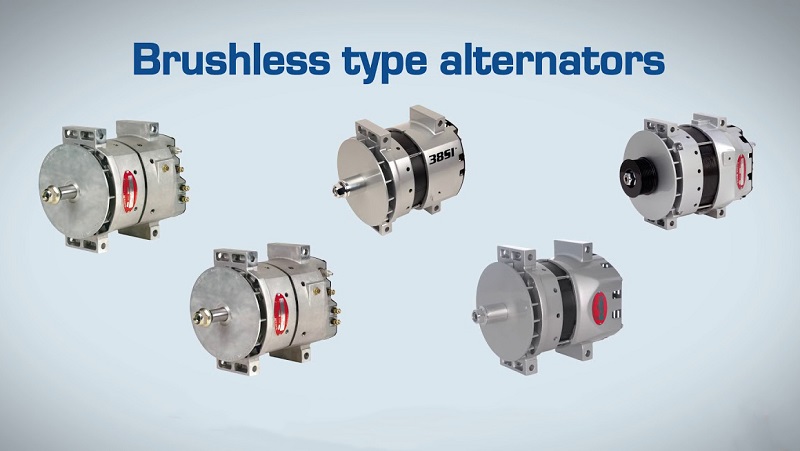
Brushless Alternators
Brushless alternators do not have brushes for electrical contact. They use a rotating magnetic field and stationary armature. This design reduces wear and maintenance. Brushless alternators last longer and run more quietly. They work well in cars, generators, and aircraft.
Brush Type Alternators
Brush type alternators use brushes and a slip ring. Brushes transfer current between stationary and rotating parts. This design is older and simpler to build. Brush type alternators need regular maintenance. The brushes wear out and must be replaced. They are common in small engines and basic machines.
Credit: www.quora.com
Based On Phase Output
Alternators produce electrical power by converting mechanical energy. One key way to classify alternators is by their phase output. Phase output means the number of voltage waves produced at once. This affects how the alternator delivers electricity to devices and systems.
Two common types based on phase output are single phase and three phase alternators. Each type suits different uses and power needs. Understanding these helps choose the right alternator for specific tasks.
Single Phase Alternators
Single phase alternators produce one voltage wave per cycle. They supply power through two wires: one live and one neutral. These alternators are simple and easy to maintain.
They work well for small loads and household appliances. Lighting, fans, and small machines often use single phase power. The voltage output is steady but less efficient for large power needs.
Three Phase Alternators
Three phase alternators generate three voltage waves, each 120 degrees apart. This creates a continuous and balanced power flow. Three phase power uses three live wires and sometimes a neutral wire.
This type suits industrial and commercial use. Large motors, factories, and heavy machinery run on three phase power. It provides more power with less vibration and energy loss.
Cooling Methods
Alternators generate heat during operation. This heat must be removed to keep them working well. Cooling methods help maintain the alternator’s temperature. Proper cooling increases the life and efficiency of the alternator. Two main cooling methods are used: air cooling and water cooling.
Air Cooled Alternators
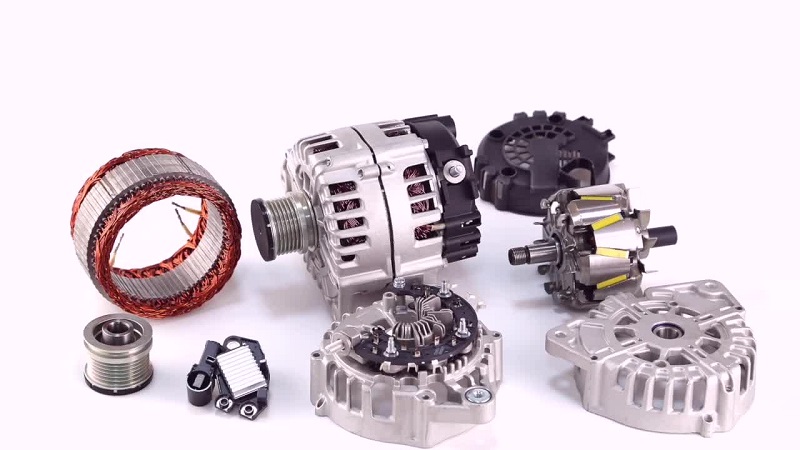
Air cooled alternators use air to remove heat. Fans blow air over the alternator’s surface. This airflow carries heat away. Air cooling is simple and cost-effective. It works best in small to medium-sized alternators. These alternators are lighter and easier to maintain. They are common in cars and small generators.
Water Cooled Alternators
Water cooled alternators use water to cool the parts. Water flows through pipes around the alternator. It absorbs heat and carries it away. This method cools more efficiently than air. Water cooling suits large alternators and heavy-duty use. It helps keep temperature steady under high loads. These alternators are common in industrial and marine settings.
Credit: www.linquip.com
Alternators By Construction
Alternators vary in design based on their construction. This difference affects how they generate electricity. Two main types are identified by the part that rotates inside the alternator. Understanding these types helps in choosing the right alternator for specific needs.
Rotating Field Alternators
In rotating field alternators, the magnetic field rotates. The armature, or coil, stays fixed. This design reduces the size of the slip rings. It also makes it easier to handle high current output. These alternators are common in large power plants and vehicles.
Rotating Armature Alternators
Rotating armature alternators have a rotating coil inside a fixed magnetic field. The magnetic field is created by stationary magnets or coils. This type is less common today. It is mostly used in small generators and older machines. The rotating coil carries the current through slip rings.
Specialized Alternators
Specialized alternators serve unique purposes in different fields. They are designed to meet specific power needs. Their construction and features vary according to where they are used. These alternators help machines run smoothly and efficiently. Understanding their types helps in choosing the right one for your needs.
Automotive Alternators
Automotive alternators power car electrical systems. They charge the battery and run lights, radio, and more. These alternators work at various engine speeds. They are compact and built to fit in tight engine spaces. Durability and reliability are key features. Many have built-in voltage regulators to keep power steady.
Industrial Alternators
Industrial alternators supply electricity to factories and large machines. They handle higher power loads than automotive types. These alternators are made for heavy-duty use. They often run continuously for long hours. Cooling systems keep them from overheating. Industrial alternators come in different sizes to fit each job.
Credit: www.linquip.com
Factors To Consider When Choosing
Choosing the right alternator can be tricky. Many factors affect which type fits best. Understanding these factors helps pick an alternator that works well and lasts long.
Power Output Needs
Power output is the main factor to check. The alternator must supply enough electricity for all devices. Calculate the total wattage of your equipment. Choose an alternator with a higher rating than the total power needed. This prevents overloading and damage.
Application Environment
Consider where you will use the alternator. Some work well indoors, others outdoors. Harsh weather or dusty places need durable, sealed models. Noise levels may matter in quiet areas. Match the alternator to the environment for safe, reliable use.
Maintenance Requirements
Check how much care the alternator needs. Some require regular oil checks and parts replacement. Others are low maintenance and easy to service. Choose a type that fits your skill and time availability. This keeps the alternator running smoothly for years.
Cost And Efficiency
Balance price with efficiency. Cheaper alternators may waste fuel and wear out fast. Efficient models save money on fuel and last longer. Think about long-term savings, not just upfront cost. An efficient alternator is a smart investment.
Conclusion
Alternators come in various types, each serving a unique purpose. Choosing the right type depends on your power needs. Small alternators fit well in cars and bikes. Larger ones support industrial machines and power plants. Understanding these differences helps in making smart decisions.
Remember, the right alternator keeps your devices running smoothly. Keep this knowledge handy for future reference. It makes a big difference in performance and reliability.