
Choosing the right tires for your truck isn’t just about getting from point A to point B. It’s about safety, performance, and saving money in the long run. You might think all truck tires are the same, but that’s far from true.
Different tires serve different purposes, and picking the wrong type could cost you more than you expect. You’ll discover the main types of truck tires and how each one can impact your driving experience. Keep reading to make sure your truck is ready for any road or load ahead.

Credit: www.reddit.com
Truck Tire Categories
Truck tires come in several categories. Each type suits different driving needs and conditions. Choosing the right tire keeps your truck safe and efficient. Understanding these categories helps you pick the best tire for your vehicle.
Truck tire categories focus on performance, durability, and road type. They include all-season, winter, off-road, and highway tires. Each type has unique features to match specific uses.
All-season Tires
All-season tires perform well in many weather conditions. They provide good traction on dry, wet, and light snowy roads. These tires last longer and offer a smooth ride. They suit drivers who need versatility throughout the year.
Winter Tires
Winter tires are designed for cold, icy, and snowy roads. They have special tread patterns to grip slippery surfaces. These tires stay flexible in freezing temperatures. They improve safety and control in harsh winter weather.
Off-road Tires
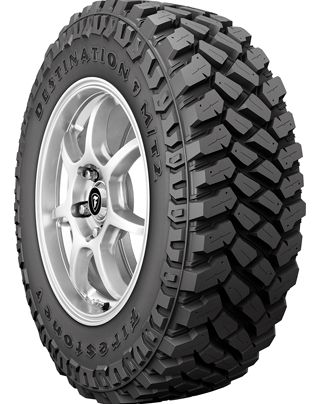
Off-road tires are built for rough and uneven terrain. They have deep treads to handle mud, rocks, and dirt. These tires are tough and resist punctures. Ideal for trucks used in construction or outdoor adventures.
Highway Tires
Highway tires focus on smooth, paved roads. They offer low rolling resistance to save fuel. These tires provide a quiet and comfortable ride. Best choice for long-distance driving on highways and city streets.
Tire Construction Types
Tire construction plays a key role in truck tire performance. It affects durability, ride comfort, and fuel efficiency. Understanding the main types helps choose the right tire for specific needs.
Truck tires mainly come in two construction types. Each type offers unique benefits and suits different driving conditions. Knowing these types makes tire selection easier and safer.
Radial Tires
Radial tires have layers of fabric running at 90 degrees to the tire’s direction. This design improves flexibility and road contact. It allows better traction and longer tread life.
Radial tires provide a smoother ride. They also reduce heat buildup, increasing tire durability. Fuel efficiency improves due to lower rolling resistance. These tires suit long-distance highway driving best.
Bias-ply Tires
Bias-ply tires have fabric layers running diagonally, crossing each other. This creates a stiff sidewall and strong tire body. These tires handle heavy loads and rough surfaces well.
Bias-ply tires offer excellent resistance to cuts and punctures. They work better off-road or on uneven terrain. Ride comfort is lower compared to radial tires. These tires often cost less upfront.
Tread Patterns And Their Uses
Tread patterns on truck tires play a key role in tire performance. They affect grip, handling, and tire wear. Different patterns suit different road conditions and truck uses. Choosing the right tread pattern helps improve safety and efficiency.
Rib Tread
Rib tread has straight grooves running around the tire. This design offers good stability and steering control. It works best on highways and paved roads. Rib tread tires wear evenly and last longer on smooth surfaces.
Lug Tread
Lug tread features deep, wide grooves and large blocks. This pattern provides strong traction on soft or muddy ground. It suits off-road driving and construction sites. Lug tread tires help trucks move through rough terrain easily.
Block Tread
Block tread has square or rectangular blocks arranged in a pattern. This design improves traction on loose or slippery surfaces. It is common for mixed road conditions. Block tread tires balance grip and durability for versatile use.
Mixed Tread
Mixed tread combines features of rib and lug patterns. It offers good traction on both highways and off-road. This pattern suits trucks that travel on varied surfaces. Mixed tread tires provide a reliable, all-around performance.

Credit: www.theengineeringchoice.com
Load And Speed Ratings
Truck tires must handle heavy weights and different speeds safely. Load and speed ratings tell you the tire’s limits. These numbers help pick the right tire for your truck. They ensure safety and improve performance on the road.
Understanding Load Index
The load index shows how much weight a tire can carry. Each number matches a specific weight in pounds or kilograms. Higher numbers mean the tire holds more weight. Always choose a tire with a load index that fits your truck’s needs. Overloading tires can cause damage and accidents.
Speed Rating Explained
Speed rating tells the maximum speed a tire can handle safely. It uses letters, like L, M, or N. Each letter stands for a certain top speed in miles per hour or kilometers per hour. Pick tires with a speed rating that matches or exceeds your truck’s speed. This keeps the tires strong and safe at higher speeds.
Factors To Consider When Choosing Tires
Choosing the right truck tires is important for safety and performance. Several key factors affect the best tire choice. Understanding these can help you pick tires that fit your needs and last longer.
Vehicle Type And Usage
Different trucks need different tires. Light trucks use tires designed for lighter loads. Heavy trucks require tires that can handle more weight. Consider how often you use the truck. Daily city driving needs different tires than off-road trips.
Driving Conditions
Road and weather conditions impact tire choice. Wet or icy roads need tires with good grip. Rough or uneven terrain requires tires with strong sidewalls. Hot climates may need tires that resist heat better. Match tires to the environment for safer rides.
Fuel Efficiency
Some tires reduce rolling resistance. Lower resistance means better fuel economy. Tires made with special compounds help save fuel. Choosing fuel-efficient tires cuts costs over time. It also lowers your truck’s carbon footprint.
Durability And Longevity
Durable tires last longer under tough conditions. Look for tires with strong tread and sidewalls. Good tires resist cuts, punctures, and wear. Long-lasting tires reduce maintenance and replacement costs. Check tire warranties for added assurance.
Credit: www.firestonecompleteautocare.com
Maintaining Truck Tires
Maintaining truck tires is key for safety and saving money. Good care helps tires last longer and perform well. Simple steps can prevent big problems on the road.
Regular Inspections
Check tires often for cuts, cracks, or objects stuck inside. Look for uneven wear or damage on the tread and sidewalls. Early spotting of issues keeps tires safe and reliable.
Proper Inflation
Keep tires inflated to the correct pressure. Too low or too high pressure causes poor handling and faster wear. Use a tire gauge to check pressure regularly and adjust as needed.
Tire Rotation
Rotate tires every 5,000 to 7,000 miles. This helps even out wear and extends tire life. Follow the truck maker’s rotation pattern for best results.
Alignment And Balancing
Get wheel alignment and balancing checked regularly. Misalignment causes uneven tire wear and can affect steering. Balanced tires reduce vibration and improve comfort.
Conclusion
Choosing the right truck tire affects safety and performance. Each tire type suits different road conditions and loads. Regular checks keep tires in good shape and extend their life. Knowing tire types helps you pick what fits your truck best.
Proper tires save fuel and reduce wear. Keep these points in mind for better driving and fewer problems. Always match tires to your truck’s needs for smooth journeys. Simple steps lead to safer roads and happier trips.