
When it comes to keeping your bus running smoothly and safely, the right tires make all the difference. But did you know there are different types of bus tires designed for various needs and road conditions?
Choosing the wrong tire can affect your bus’s performance, fuel efficiency, and even passenger comfort. You’ll discover the main types of bus tires and how each one can impact your vehicle. By the end, you’ll know exactly which tire suits your bus and why it matters—helping you make smarter, safer choices on the road.
Keep reading to find out more!
Bus Tire Categories
Bus tires come in several types. Each type has its own use and benefits. Choosing the right tire helps improve safety and performance. Understanding bus tire categories makes picking easier. Below are the main categories of bus tires.
Radial Tires
Radial tires have layers of fabric running across the tire. This design gives better grip and longer life. They handle heat well during long trips. Radial tires also provide a smoother ride. Many buses use radial tires for these advantages.
Bias Ply Tires
Bias ply tires have layers running diagonally. This gives strong sidewalls and good shock absorption. They work well on rough roads and heavy loads. Bias ply tires are simpler in design but less flexible. They are common in older bus models.
Tubeless Tires
Tubeless tires do not need an inner tube. Air stays sealed between the tire and rim. These tires reduce the chance of sudden air loss. Tubeless tires are easier to repair and maintain. Many modern buses prefer tubeless tires for safety.
Tube-type Tires
Tube-type tires use an inner tube to hold air. They are more prone to punctures than tubeless tires. Tube-type tires need careful maintenance and checks. They are still used in some buses for specific road conditions. These tires provide good cushioning on bumpy roads.
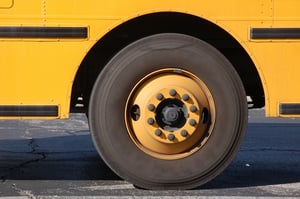
Credit: www.busboss.com
Tire Sizes And Load Ratings
Tire sizes and load ratings play a key role in bus safety and performance. Choosing the right tire size ensures a proper fit on the bus wheels. This helps maintain stability and handling during travel. Load ratings show how much weight a tire can support. Using tires with the correct load rating prevents tire damage and accidents. Understanding these factors helps in selecting the best tires for buses.
Common Sizes For Buses
Buses use tires in several standard sizes. Popular sizes include 295/75R22.5 and 11R22.5. The first number shows tire width in millimeters. The second number is the aspect ratio, or tire height to width. The letter “R” means radial construction. The last number is the wheel diameter in inches. Choosing the right size keeps the bus balanced and safe on the road.
Understanding Load Index
The load index is a number that shows tire weight capacity. It ranges from about 100 to 160 for bus tires. Higher numbers mean higher load capacity. For example, a load index of 146 supports more weight than 140. The load index must match the bus’s weight needs. Using a lower load index can cause tire failure. Always check the load index before buying new tires.
Impact On Performance
Tire size and load rating affect bus performance greatly. Proper size tires improve fuel efficiency and tire life. They also help the bus handle turns and bumps better. Tires with the right load rating avoid overheating and wear. Overloaded tires risk blowouts and accidents. Correct tires keep passengers safe and the bus running smoothly.
Tread Patterns And Their Uses
Tread patterns on bus tires play a key role in safety and performance. They help the tire grip the road and affect handling in different conditions. Choosing the right tread pattern improves fuel efficiency and tire life. Each pattern suits specific road types and weather.
Highway Tread
Highway tread tires have a smooth, continuous design. This pattern reduces rolling resistance and noise. It works best on paved roads and highways. Buses using these tires get better mileage and a quiet ride. The tread channels water to prevent slipping on wet roads.
All-terrain Tread
All-terrain tread tires have larger, deeper grooves and blocks. These provide grip on both pavement and off-road surfaces. They work well on dirt, gravel, and uneven roads. This pattern offers strong traction but may cause more noise on highways. Buses traveling through mixed surfaces benefit from these tires.
Winter Tread Options
Winter tread tires have special patterns with extra siping. Sipes are tiny cuts that increase grip on ice and snow. The rubber stays soft in cold weather for better contact. These tires reduce slipping and improve braking on icy roads. They are essential for buses in snowy or icy regions.

Credit: www.hankooktire-mediacenter.com
Material And Construction Features
Bus tires must handle heavy loads and long distances. Their material and construction affect safety and performance. Understanding these features helps in choosing the right tire for any bus type.
Strong materials and smart design keep the tires durable and reliable. Each part of the tire plays a role in its strength and lifespan. Let’s explore the key features that make bus tires tough and efficient.
Rubber Compounds
Rubber compounds form the outer layer of bus tires. They protect the tire from wear and tear. Harder compounds last longer but may reduce grip. Softer compounds provide better traction but wear faster. Tire makers balance these compounds for safety and durability. Special additives improve resistance to heat and damage. Quality rubber helps tires perform well on all road types.
Sidewall Strength
Sidewalls protect the tire edges and support heavy weight. Strong sidewalls prevent damage from bumps and curbs. Reinforced layers inside the sidewall add extra toughness. This feature helps maintain the tire shape under pressure. Flexible sidewalls improve ride comfort by absorbing shocks. A weak sidewall can cause tire failure. Bus tires use thick, strong materials to avoid this risk.
Ply Rating Importance
Ply rating shows the tire’s strength and load capacity. It indicates how many layers of material the tire has. More plies mean the tire can carry heavier loads safely. High ply ratings also increase resistance to punctures. Bus tires often require high ply ratings for safety. Choosing the right ply rating prevents tire blowouts. It ensures the tire performs well under heavy conditions.
Factors In Choosing Bus Tires
Choosing the right tires for buses is crucial. Tires affect safety, fuel efficiency, and ride comfort. Several factors influence the best tire choice. These factors help match tires to bus needs and conditions.
Route Type And Terrain
The route type impacts tire selection strongly. City buses need tires for smooth roads. Rural or mountain routes require tires with strong grip. Rough terrain demands tires with tough sidewalls. Tires must handle the specific road surfaces well.
Climate Considerations
Climate plays a major role in tire performance. Hot climates need tires that resist heat well. Cold or snowy areas require tires with good traction. Wet climates demand tires with excellent water evacuation. Choose tires that suit local weather conditions.
Durability And Longevity
Bus tires must last long to reduce costs. Durable tires resist wear and damage better. Longevity depends on materials and tire design. Tires with longer life reduce downtime and replacements. This helps keep buses running smoothly.
Cost Vs. Performance
Balancing cost and performance is important. High-performance tires cost more but offer safety. Budget tires save money but may wear faster. Consider total cost, including fuel and replacements. Choose tires that fit both budget and needs.

Credit: smallcar.com
Maintenance Tips For Bus Tires
Proper maintenance keeps bus tires safe and lasting longer. Regular care saves money and prevents accidents. Check tires often to spot problems early. Follow these tips to maintain bus tires well.
Proper Inflation
Check tire pressure regularly. Use a reliable gauge for accuracy. Inflate tires to the recommended level. Underinflated tires wear out faster. Overinflated tires risk blowouts. Correct pressure improves fuel efficiency and safety.
Rotation Schedules
Rotate tires every 6,000 to 8,000 miles. This helps even out wear on all tires. Follow the manufacturer’s rotation pattern. Proper rotation extends tire life. It also improves vehicle handling and ride comfort.
Signs Of Wear And Damage
Look for cracks, cuts, or bulges on tires. Uneven tread wear may show alignment issues. Check tread depth with a gauge. Replace tires if tread is below safe levels. Damaged tires increase the risk of accidents.
Conclusion
Choosing the right bus tires helps keep passengers safe and comfortable. Different tires suit different road conditions and bus types. Regular tire checks improve performance and extend tire life. Good tires save fuel and reduce travel costs. Always pick tires that match your bus needs.
Proper care ensures smooth and reliable bus rides. Tires matter more than many people think. Stay informed and drive with confidence.