
Are you curious about what makes your engine run smoothly? The secret often lies in a small but powerful part: the spark plug.
Choosing the right type of spark plug can boost your vehicle’s performance, improve fuel efficiency, and even save you money on repairs. But with so many options out there, how do you know which one fits your needs? You’ll discover the different types of spark plugs, what sets them apart, and how to pick the perfect match for your engine.
Keep reading to unlock the key to better driving and engine health.
Credit: www.sparkplugsfactory.com
Spark Plug Basics
Spark plugs are small parts inside an engine. They help the engine run smoothly and start quickly. Without spark plugs, cars cannot work properly. Understanding the basics of spark plugs helps you know how engines perform well.
Role In Engine Performance
Spark plugs create sparks that ignite fuel in the engine. This ignition powers the engine and moves the car. Good spark plugs improve fuel efficiency and reduce emissions. Worn-out plugs can cause misfires and poor engine performance.
Key Components
A spark plug has several parts. The central electrode carries the electrical current. The insulator surrounds the electrode and keeps electricity from escaping. The metal shell holds the plug in place inside the engine. The gap between electrodes is where the spark jumps.
How Spark Plugs Work
The ignition system sends high voltage to the spark plug. The spark jumps across the gap at the tip. This spark lights the air-fuel mixture in the engine cylinder. The burning fuel creates pressure to move the pistons. This process repeats thousands of times per minute.
Common Spark Plug Types
Spark plugs play a key role in engine performance. Different types suit various engines and needs. Choosing the right spark plug helps your engine run smoothly. Here are some common spark plug types you might encounter.
Copper Spark Plugs
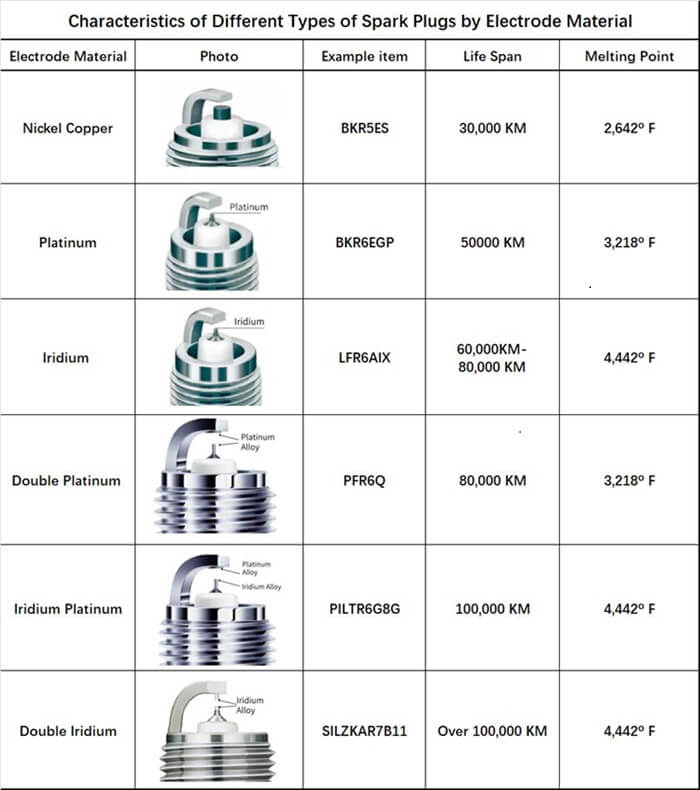
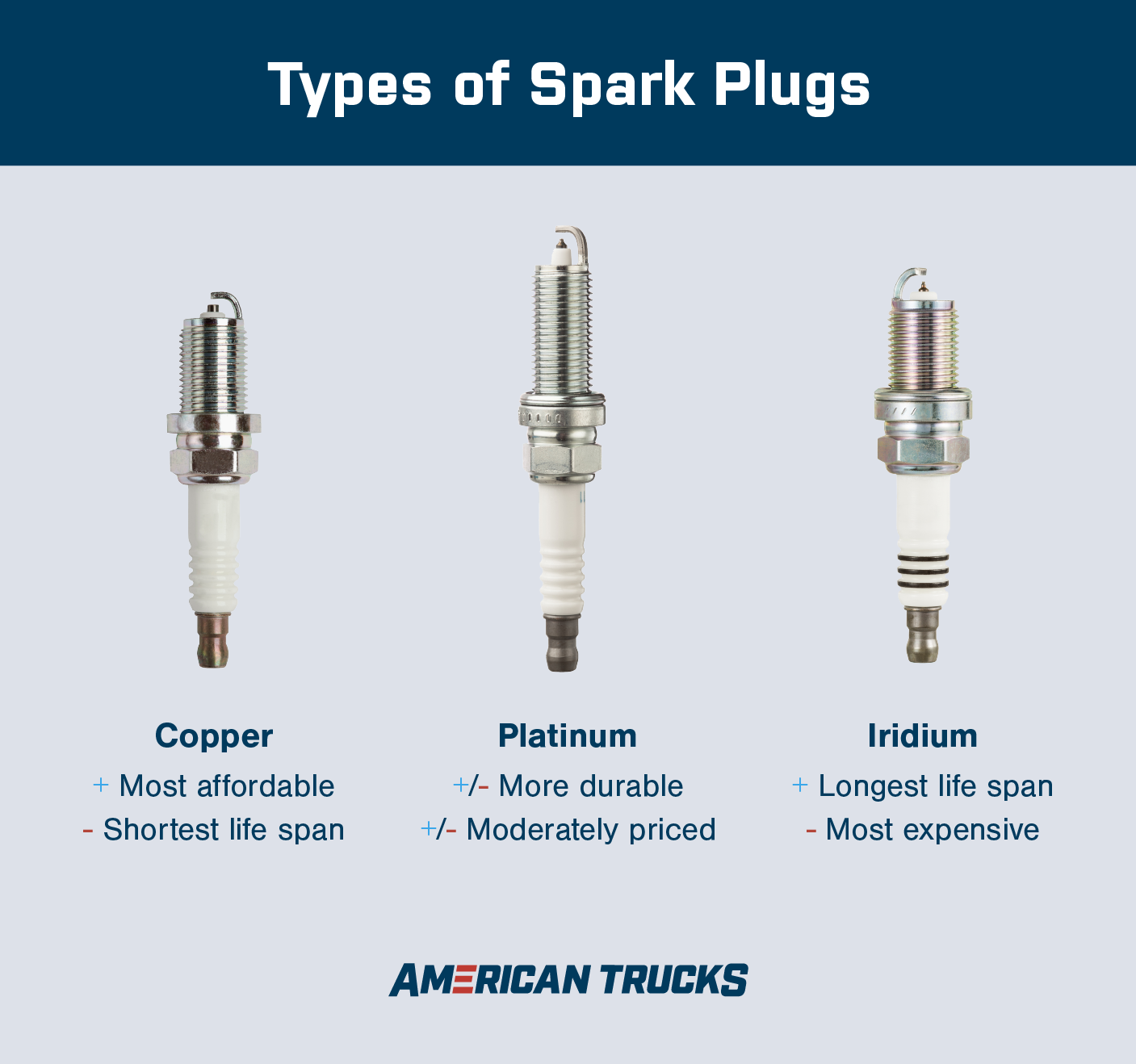
Copper spark plugs offer good performance at a low cost. They have a solid copper core for better heat conduction. These plugs heat up quickly, reducing engine fouling. Copper plugs wear out faster than others. They suit older or simple engines best.
Platinum Spark Plugs
Platinum spark plugs last longer than copper ones. They use a thin platinum layer on the electrode tip. This layer resists wear and corrosion well. Platinum plugs improve ignition and fuel efficiency. These plugs fit many modern engines with moderate demands.
Iridium Spark Plugs
Iridium spark plugs are very durable and efficient. Iridium is harder and melts at a higher temperature than platinum. These plugs create a strong spark with less voltage. They help engines start faster and run cleaner. Iridium plugs often cost more but last longer.
Double Platinum Spark Plugs
Double platinum spark plugs have platinum on both electrodes. This design reduces electrode wear on both sides. They are good for waste spark ignition systems. Double platinum plugs offer stable performance and longer life. They fit many newer vehicles with advanced ignition systems.
Specialized Spark Plugs
Specialized spark plugs serve unique roles in engines. They improve performance and reduce problems. These plugs fit specific needs beyond standard types. Their designs help engines run smoother and last longer. Understanding them helps choose the right spark plug.
Resistor Spark Plugs
Resistor spark plugs reduce electrical noise. They stop interference with radio and computer signals. These plugs have a built-in resistor inside. This resistor lowers spark energy slightly. The trade-off is less noise and better electronics work. Cars with many sensors often use these plugs.
Multi-ground Spark Plugs
Multi-ground spark plugs have several ground electrodes. They create more places for the spark to jump. This design helps ignite fuel better. It improves engine start and smooths running. These plugs last longer because wear spreads out. They suit engines needing strong and steady ignition.
Fine Wire Spark Plugs
Fine wire spark plugs have thin center electrodes. Thin wires create a hotter and sharper spark. This sparks fuel more efficiently. They improve fuel burning and reduce emissions. These plugs help engines perform better at high speeds. They require careful handling due to their delicate parts.
Credit: www.ngkntk.in
Factors To Consider When Choosing
Choosing the right spark plug affects engine performance and fuel efficiency. Various factors play a role in selecting the best type for your vehicle. Understanding these factors helps avoid problems and saves money.
Engine Type Compatibility
Different engines need different spark plugs. Some plugs work better with gasoline engines. Others suit diesel or hybrid engines. Check your vehicle’s manual for recommended spark plug types. Using the wrong plug can cause poor engine performance or damage.
Heat Range Importance
The heat range shows how hot the spark plug can get. A proper heat range prevents fouling and overheating. Cold plugs cool faster and suit high-performance engines. Hot plugs stay hotter and fit low-speed engines better. Match the heat range to your engine’s needs for best results.
Durability And Longevity
Spark plugs last different amounts of time depending on type. Iridium plugs last longer than copper ones. Longer-lasting plugs reduce maintenance and replacement costs. Consider your driving habits and mileage before choosing. Durable spark plugs improve engine reliability over time.
Cost Vs Performance
Cheap spark plugs cost less upfront but wear out faster. Expensive plugs offer better performance and longer life. Balance your budget with your vehicle’s needs. Sometimes spending more saves money in the long run. Choose a spark plug that fits both price and quality.
Signs You Need To Replace Spark Plugs
Spark plugs play a key role in your engine’s performance. They ignite the air-fuel mixture inside the cylinders. Over time, spark plugs wear out and lose efficiency. Recognizing the signs that spark plugs need replacement can save you from bigger engine problems. Here are some common signs to watch for.
Poor Engine Performance
Your engine may run rough or hesitate during acceleration. The car might lose power or feel sluggish. Misfires can happen, causing the engine to shake. These issues often point to worn spark plugs. Replacing them restores smooth engine operation.
Fuel Efficiency Drop
Old spark plugs cause incomplete fuel burning. This leads to higher fuel consumption. You may notice you fill your tank more often. A drop in miles per gallon is a clear warning sign. New spark plugs help improve fuel economy and save money.
Starting Issues
Hard starts or frequent stalling can indicate spark plug problems. The engine might crank longer than usual before starting. Cold weather makes these issues worse. Faulty spark plugs struggle to ignite fuel efficiently. Changing them ensures quick and easy starts.
Visual Wear Indicators
Inspecting spark plugs reveals their condition. Look for worn electrodes, deposits, or corrosion. A black, sooty plug means carbon buildup. White or blistered plugs indicate overheating. Cracks or heavy wear signal the need for replacement. Clean, intact spark plugs are essential for engine health.
Maintenance Tips For Spark Plugs
Proper maintenance keeps spark plugs working well and lasting longer. It helps the engine run smoothly and saves fuel. Simple care steps prevent problems and costly repairs. Follow these tips to maintain your spark plugs in top shape.
Regular Inspection
Check spark plugs every 10,000 to 15,000 miles. Look for signs of wear, such as cracks or heavy deposits. Clean or replace damaged plugs immediately. Inspect the electrodes and insulator for damage or buildup. Early detection stops bigger engine problems.
Cleaning Techniques
Remove dirt and carbon deposits with a soft wire brush. Use a spray cleaner made for spark plugs if needed. Avoid harsh scrubbing that can damage the electrodes. Dry plugs thoroughly before reinstalling. Clean plugs improve ignition and engine performance.
Proper Installation Tips
Use the correct gap size for your vehicle’s spark plugs. Tighten plugs to the manufacturer’s recommended torque. Over-tightening can damage threads and cause leaks. Under-tightening can cause poor contact and misfires. Always use a torque wrench for best results.
Credit: www.americantrucks.com
Conclusion
Choosing the right spark plug helps your engine run well. Different types fit different engines and needs. Copper plugs work best for older cars. Iridium and platinum plugs last longer and give better performance. Regular checks keep your spark plugs clean and efficient.
Good spark plugs save fuel and reduce pollution. Now you know the basics to pick the right spark plug. Keep your engine healthy with the right choice. Simple steps lead to better driving every day.