
When summer rolls around, your car needs the right tires to match the heat and road conditions. Choosing the right summer tires can make a big difference in how your vehicle handles, how safe you feel, and even how much fuel you use.
But with so many types of summer tires out there, it’s easy to feel lost. This guide will help you understand the key types of summer tires and how each one can improve your driving experience. Keep reading to find the perfect fit for your car and your summer adventures.
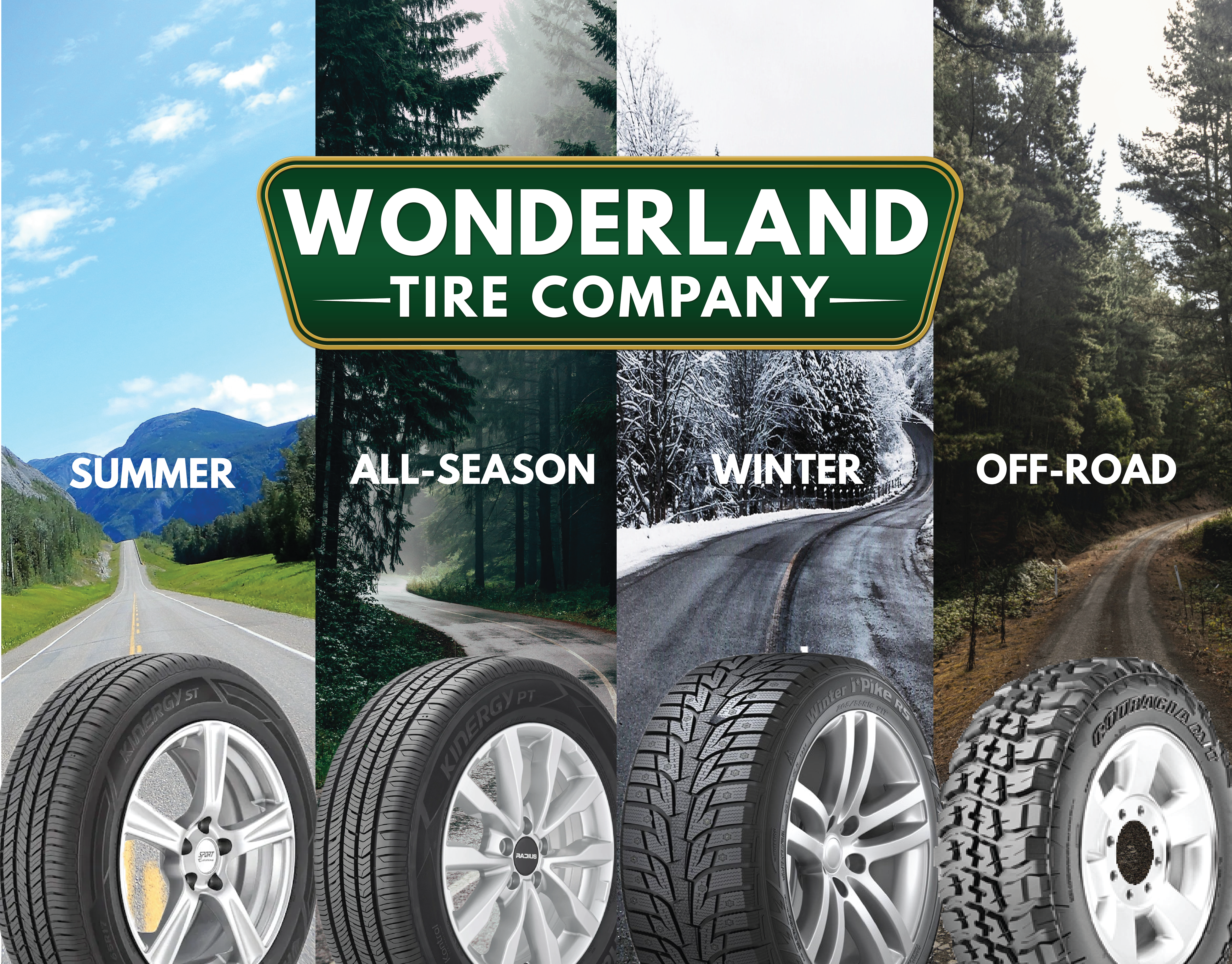
Credit: retail.wonderlandtire.com
Summer Tire Features
Summer tires are built for warm weather and dry roads. Their features help cars drive safely and smoothly during hot months. Understanding these features helps pick the right tire for summer driving.
Each feature targets specific driving needs. These include how the tire grips the road, wears out, and handles heat. Let’s explore these key summer tire features.
Tread Design
Summer tires have special tread patterns. These patterns improve traction on dry and wet roads. The grooves are shallower than all-season tires. This design increases the contact area with the road. It helps cars stop faster and turn sharply. Some treads also help water escape to reduce hydroplaning risks.
Rubber Compounds
The rubber in summer tires stays soft in warm weather. This softness improves grip on hot pavement. The compounds harden less in heat, unlike winter tires. That means better control and less slipping. These rubber blends also resist wear from heat and rough roads. This keeps tires lasting longer during summer drives.
Performance Benefits
Summer tires boost driving performance in many ways. They offer better acceleration and shorter braking distances. Handling feels more precise and stable. Cornering at higher speeds becomes safer. Fuel efficiency can improve too, due to less rolling resistance. These benefits make summer driving safer and more fun.
Ultra High Performance Tires
Ultra High Performance (UHP) tires are designed for drivers who want strong grip and sharp handling. These tires improve control and speed on dry roads. They enhance the driving experience for sports cars and performance vehicles. UHP tires focus on delivering excellent traction and quick response.
Key Characteristics
UHP tires have softer rubber compounds for better grip. Their tread patterns often include wide grooves to remove water. They use stiffer sidewalls to improve cornering and stability. These tires usually have lower profiles to reduce tire flex. They are built to handle higher speeds safely.
Ideal Driving Conditions
These tires work best on dry and warm roads. They perform well on smooth highways and city streets. UHP tires are not meant for snow or ice. They can handle light rain but may struggle in heavy wet conditions. Perfect for summer months in moderate climates.
Pros And Cons
Pros include better grip, quicker steering, and improved braking. They add confidence during fast driving and sharp turns. Cons are faster wear and less comfort on rough roads. They can be noisy and less fuel-efficient. Not suitable for winter or very wet conditions.
Touring Summer Tires
Touring summer tires provide a smooth ride and steady performance during warm months. They balance comfort and handling well, making them popular for everyday driving. These tires suit drivers who want reliability without sacrificing a calm, quiet ride.
Comfort And Longevity
Touring summer tires focus on a quiet and comfortable drive. They use special rubber compounds to reduce road noise. These tires last longer than many high-performance options. The tread design helps with even wear, extending tire life.
Fuel Efficiency
These tires often have low rolling resistance. This means the car uses less fuel while driving. Improved fuel efficiency lowers fuel costs over time. It also helps reduce harmful emissions from your vehicle.
Best Uses
Touring summer tires work well on highways and city roads. They handle wet and dry conditions safely. Ideal for daily commuting and long trips in summer weather. Great choice for drivers who want comfort and reliability.

Credit: www.cjponyparts.com
Max Performance Summer Tires
Max Performance Summer Tires offer top-level handling and control on warm roads. They are designed for drivers who want sharp cornering and quick response. These tires work best in dry and light wet conditions. Their design focuses on speed and precision rather than long tread life.
Drivers often choose these tires for sporty cars or performance driving. They improve vehicle stability and braking at higher speeds. The rubber compounds stay soft in heat, boosting traction. These tires provide a confident drive during summer months.
Enhanced Grip
Max Performance Summer Tires have special rubber compounds. These compounds increase grip on dry and wet roads. The tread patterns help water escape quickly to reduce hydroplaning. This keeps your car stable in sudden rain. The tires stick well during sharp turns and fast stops.
Track And Street Use
These tires suit both track days and daily driving. They offer excellent control for performance driving on tracks. On streets, they provide smooth handling and quick response. However, they wear faster than regular tires. They are not made for cold or snowy weather.
Durability Factors
Max Performance Summer Tires trade some durability for better grip. The soft rubber wears faster on rough roads. Proper maintenance like regular rotation helps extend tire life. Avoid driving on cold or rough surfaces to keep them longer. These tires are best for short, spirited drives in warm weather.
Eco-friendly Summer Tires
Eco-friendly summer tires offer a greener choice for drivers. These tires focus on reducing harm to the environment while still providing good road performance. They use special materials and designs to lower fuel use and cut down on emissions.
Low Rolling Resistance
Low rolling resistance means the tire rolls easier on the road. This helps the car use less fuel and produce fewer emissions. Eco-friendly tires often have this feature. It saves money on gas and helps protect the planet.
Environmental Impact
Eco-friendly tires use materials that are less harmful to nature. Some use natural rubber or recycled products. This lowers waste and pollution. The production process also tries to cut carbon footprints. These tires help reduce overall environmental damage.
Performance Trade-offs
Eco-friendly tires may have some limits. They might not grip as well on wet or rough roads. Their lifespan can be shorter than regular tires. Drivers must balance eco benefits with performance needs. Choosing the right tire depends on driving habits and priorities.
All-season Vs. Summer Tires
Choosing the right tires can affect your car’s performance and safety. All-season and summer tires serve different purposes. Understanding their differences helps you pick the best option for your driving needs. Both types work well in warm weather, but they have unique features.
Performance Differences
Summer tires have softer rubber that grips roads better. They provide strong handling on dry and wet surfaces. All-season tires have harder rubber for longer wear. They offer moderate grip but less precision in sharp turns.
Seasonal Suitability
Summer tires work best in temperatures above 45°F (7°C). They lose grip in cold or snowy conditions. All-season tires handle a wider range of weather. They perform okay in heat, light snow, and rain but are not specialized.
Safety Considerations
Summer tires reduce stopping distance on hot pavement. They increase control during sudden maneuvers. All-season tires provide safer traction in mild winter weather. Using summer tires in cold weather can reduce safety.
Maintaining Summer Tires
Maintaining summer tires is key for safety and performance. Proper care helps tires last longer and perform better on hot roads. Simple habits keep your tires in top shape and save money on repairs.
Proper Inflation
Check tire pressure regularly. Use a reliable gauge to measure pressure. Follow the vehicle manufacturer’s recommended PSI. Proper inflation prevents uneven wear and improves fuel efficiency. Avoid overinflation or underinflation for safer driving.
Tread Depth Monitoring
Measure tread depth often. Use a tread depth gauge or the penny test. Replace tires if tread depth is below 2/32 inch. Good tread improves grip and reduces hydroplaning risks. Worn tires can cause accidents, especially on wet roads.
Storage Tips
Store tires in a cool, dry place away from sunlight. Keep them off the ground to avoid flat spots. Use tire covers or airtight bags for protection. Proper storage prevents damage and keeps tires ready for next season. Rotate tires before storing to balance wear.
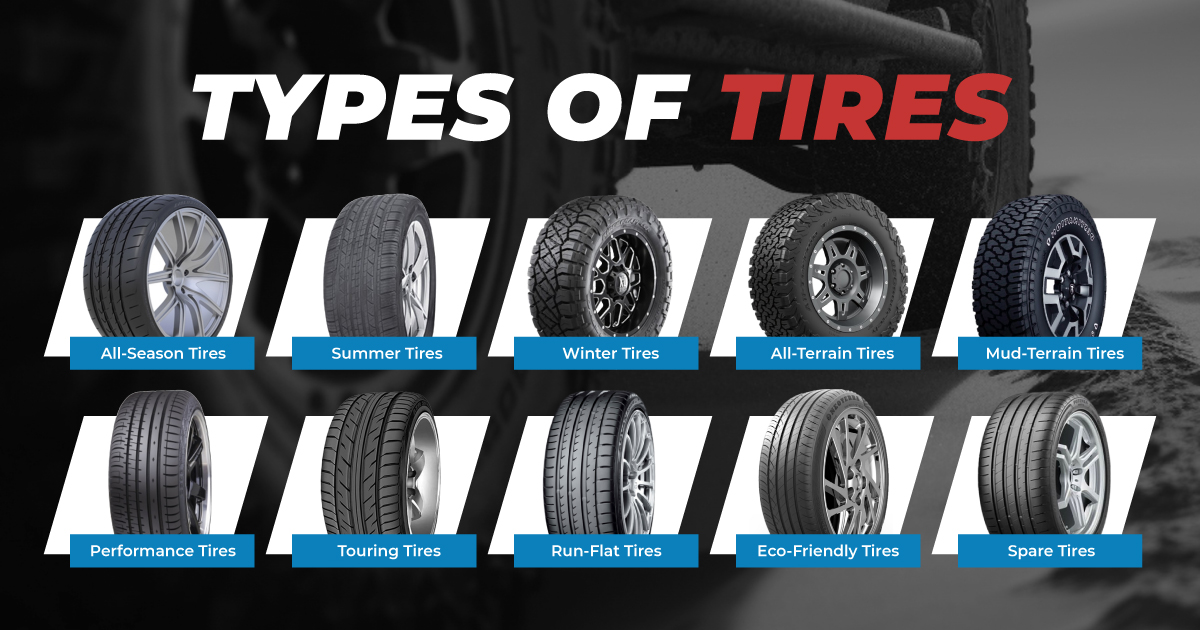
Credit: www.tires-easy.com
Conclusion
Choosing the right summer tire affects your driving comfort and safety. Different types suit different road conditions and vehicles. Performance tires offer better grip on dry roads. Touring tires provide a smoother, quieter ride. Eco-friendly tires help save fuel and reduce wear.
Consider your driving needs before deciding. Proper tires improve control and reduce risks. Keep your tires well-maintained for the best results. Safe driving starts with good tire choices.