Have you ever wondered what makes trucks so different from each other? Whether you’re thinking about buying, driving, or just curious, knowing the types of trucks can help you make smarter choices.
From powerful pickups to massive haulers, each truck has a special role to play. This guide will break down the main types of trucks in a simple way, so you can easily understand which one fits your needs. Keep reading, and discover the truck that’s right for you!
Light-duty Trucks
Light-duty trucks serve many purposes. They are smaller than heavy trucks. These trucks are easy to drive and park. They fit well for daily tasks. People use them for work and personal needs. Their fuel use is less. Maintenance costs are also lower. Light-duty trucks come in various types. Each type has unique features. Here are the main types of light-duty trucks.
Pickup Trucks
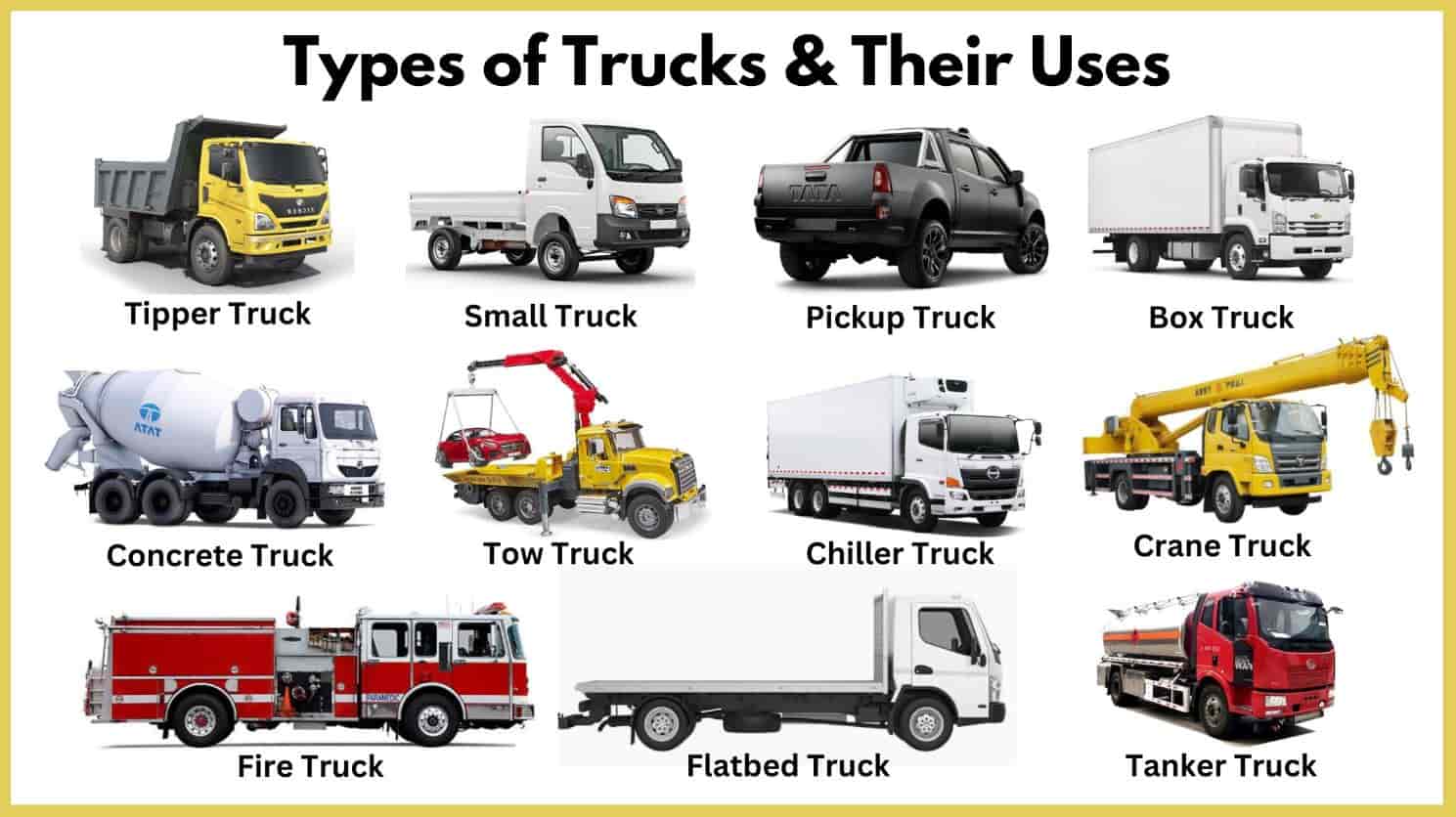
Pickup trucks are popular for their open cargo beds. They carry tools, equipment, or furniture. Many models offer good fuel efficiency. Pickups work well for both city and off-road driving. They provide enough space for passengers and cargo. Pickup trucks suit small businesses and families.
Vans And Minivans
Vans and minivans focus on passenger comfort. They offer more seating than pickups. These vehicles have sliding doors for easy access. Vans often serve commercial purposes, like delivery. Minivans are perfect for families. They provide ample room for people and luggage.
Utility Trucks
Utility trucks have special equipment for specific jobs. They carry tools and parts needed for repairs. Electricians, plumbers, and landscapers use these trucks. Utility trucks often have compartments for organization. They help workers stay efficient on site. These trucks are practical for many trades.

Credit: www.amazon.com
Medium-duty Trucks
Medium-duty trucks serve a vital role in many industries. They are stronger than light-duty trucks but smaller than heavy-duty ones. These trucks handle a wide range of tasks efficiently. Their size and power make them perfect for urban deliveries and construction work. Medium-duty trucks offer versatility and reliability for daily operations.
Box Trucks
Box trucks have a large, enclosed cargo area. They protect goods from weather and theft. These trucks often deliver furniture, appliances, and food products. Their box shape allows easy loading and unloading. Drivers appreciate their maneuverability in tight city streets.
Tow Trucks
Tow trucks help move broken or damaged vehicles. They use hooks, chains, or flatbeds to carry cars. Tow trucks assist in accidents and roadside breakdowns. Their strong engines and sturdy frames support heavy loads. Quick response and safe transport are key features.
Flatbed Trucks
Flatbed trucks have an open, flat cargo area. They carry large or irregularly shaped items. Construction materials, machinery, and large equipment fit well on flatbeds. Loading and unloading are simple without walls or roofs. Securing cargo properly is essential for safety.
Heavy-duty Trucks
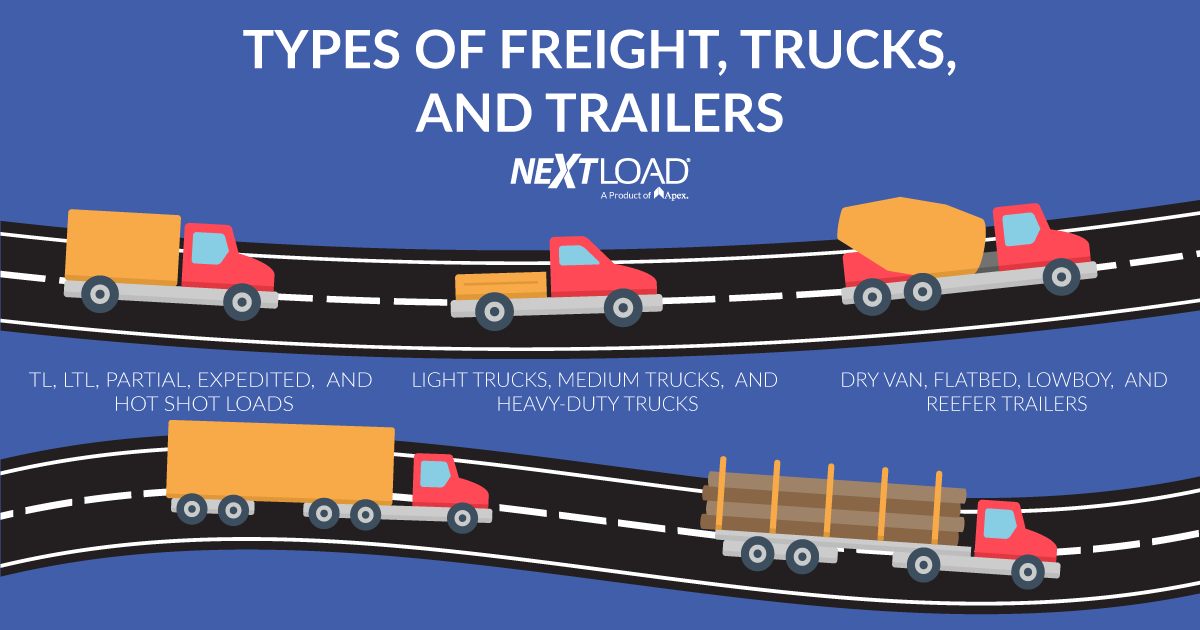
Heavy-duty trucks are built for tough jobs. They carry heavy loads and work in hard places. These trucks help build roads, transport liquids, and move materials. Each type has a special job that keeps industries running smoothly.
Dump Trucks
Dump trucks carry loose materials like sand, gravel, and dirt. They have open beds that tilt to unload cargo quickly. These trucks work on construction sites and in mining areas. Their strong frames handle rough roads and heavy loads.
Cement Mixers
Cement mixers carry and mix concrete while moving. A rotating drum keeps the concrete fresh until it reaches the site. These trucks are vital for building foundations, roads, and bridges. They ensure concrete does not harden too soon.
Tanker Trucks
Tanker trucks transport liquids such as fuel, water, or chemicals. Their sealed tanks prevent spills and keep the load safe. These trucks serve many industries, including oil, food, and agriculture. Their design allows easy loading and unloading.
Credit: www.nextload.com
Specialized Trucks
Specialized trucks serve unique roles beyond common transportation. These trucks have custom designs for specific tasks. Their features match the needs of various industries. They help improve efficiency and safety in challenging jobs.
Fire Trucks
Fire trucks are vital in emergencies. They carry water, ladders, and rescue tools. Their design helps firefighters reach fires quickly. Bright colors and sirens warn other drivers on the road. Fire trucks also have pumps to spray water fast.
Refrigerated Trucks
Refrigerated trucks keep food and medicine cold. They use special cooling units to maintain low temperatures. These trucks protect perishable goods during transport. Farmers, grocery stores, and hospitals rely on them. Temperature control is crucial for safety and freshness.
Logging Trucks
Logging trucks transport heavy logs from forests. They have strong frames and flat beds to hold timber. These trucks can handle rough terrains and heavy weights. Drivers must be skilled to manage large loads safely. Logging trucks support the timber industry effectively.
Commercial Truck Classifications
Commercial trucks come in different classes based on their weight and use. Understanding these classes helps businesses pick the right truck for their needs. Each class has specific features and purposes.
Class 1 To Class 3 Trucks
These trucks are the lightest commercial vehicles. They weigh up to 10,000 pounds. Common examples include small pickups and vans. They are easy to drive and park. Ideal for small deliveries and light work.
Class 4 To Class 6 Trucks
These medium-duty trucks weigh between 14,001 and 26,000 pounds. They often serve local deliveries and service jobs. Examples include larger box trucks and dump trucks. They balance power and maneuverability well.
Class 7 And Class 8 Trucks
These are heavy-duty trucks with a weight over 26,001 pounds. Class 7 trucks handle heavy loads in cities. Class 8 trucks include big rigs and tractor-trailers. They are built for long-haul transport and heavy freight.
Electric And Hybrid Trucks
Electric and hybrid trucks are changing the way goods move. These trucks use batteries or a mix of batteries and fuel. They offer a cleaner, quieter option than traditional trucks. Many companies use them to reduce pollution and save fuel costs.
Benefits Of Electric Trucks
Electric trucks produce no tailpipe emissions. This helps improve air quality in cities. They also have lower running costs. Electricity is cheaper than diesel. Maintenance is simpler because they have fewer moving parts. Drivers enjoy quieter rides and smooth acceleration. These trucks can reduce a company’s carbon footprint.
Popular Models
Many brands now offer electric and hybrid trucks. The Tesla Semi is a well-known electric truck with long range. Rivian’s electric delivery vans serve major retailers. Ford’s F-150 Lightning is a hybrid pickup gaining attention. Freightliner and Volvo also produce electric heavy trucks. Each model fits different business needs.
Future Trends
Battery technology keeps improving, increasing range and charging speed. More charging stations will make electric trucks practical everywhere. Governments are setting stricter emission rules. This pushes manufacturers to build more electric and hybrid trucks. Autonomous driving features may combine with electric power. The future of trucking is moving toward cleaner energy.
Choosing The Right Truck
Choosing the right truck matters a lot. It affects your work and your costs. Picking a truck that fits your needs helps you get the job done well. Think about what you need the truck for and how it will be used. Consider size, power, and fuel use. This helps you make a smart choice and avoid problems later.
Purpose And Use
Start by defining the main task for the truck. Is it for carrying goods, towing, or off-road use? Different jobs need different truck types. Delivery trucks need space and easy loading. Construction trucks need strength and durability. Knowing the purpose guides you to the right style and features.
Load Capacity
Check the truck’s load capacity carefully. It shows how much weight the truck can carry safely. Overloading a truck can cause damage and accidents. Choose a truck with a load limit higher than your usual needs. This gives safety and room for extra cargo.
Fuel Efficiency
Fuel efficiency saves money in the long run. Trucks that use less fuel reduce running costs. Consider trucks with modern engines or alternative fuel options. Smaller trucks usually use less fuel but may carry less load. Balance fuel use with the truck’s size and power.
Credit: www.theengineerspost.com
Conclusion
Trucks come in many types, each made for different jobs. Some carry heavy loads, while others move goods quickly. Choosing the right truck helps businesses save time and money. Knowing the basics about trucks makes decisions easier. Whether for work or transport, trucks play a key role in daily life.
Understanding their types helps you pick what fits best. Simple and clear, this guide aims to help you learn more about trucks. Keep exploring to find the right truck for your needs.