Have you ever noticed your car pulling to one side or your tires wearing out unevenly? These are signs that your wheel alignment might be off.
Understanding the types of wheel alignments can save you money, improve your driving comfort, and extend the life of your tires. You’ll discover the different alignment types and learn how each one affects your vehicle. Keep reading, and you’ll know exactly what to ask for the next time you visit your mechanic.
Credit: www.shopuslast.com
Wheel Alignment Basics
Wheel alignment is an important part of car care. It means adjusting the angles of the wheels. This helps the wheels point straight and work well with the road. Proper alignment improves driving safety and saves money on tire wear.
Understanding the basics of wheel alignment helps you keep your car in good shape. It also helps you notice problems early before they get worse. Let’s explore why alignment matters and the signs of misalignment.
Why Alignment Matters
Correct wheel alignment keeps your car stable on the road. It improves handling and steering control. Misaligned wheels cause uneven tire wear. This means tires wear out faster, costing you more money. Proper alignment also improves fuel efficiency. It reduces strain on suspension parts, avoiding expensive repairs. Overall, it makes your driving safer and smoother.
Signs Of Misalignment
Your car may pull to one side while driving. The steering wheel might feel off-center or shaky. You could hear unusual noises from the tires. Tires may show uneven or rapid wear. The car might vibrate at higher speeds. Noticing these signs early helps prevent bigger problems. Regular checks keep your car running well and safe.
Front-end Alignment
Front-end alignment is a common type of wheel alignment. It adjusts only the front wheels of a vehicle. This method is simpler and quicker than full alignment. Front-end alignment helps your car drive straight and reduces tire wear. It is popular in older cars or vehicles with a solid rear axle. Understanding front-end alignment is important for maintaining safe driving conditions.
What It Involves
Front-end alignment adjusts the angles of the front wheels. It mainly fixes the camber and toe settings. Camber is the tilt of the wheel inward or outward. Toe is how much the wheels turn inward or outward when viewed from above. The mechanic uses special tools to measure and adjust these angles. The goal is to make the front wheels point straight ahead. This keeps the car stable and prevents uneven tire wear.
When To Choose It
Choose front-end alignment for simple front wheel adjustments. It works well for cars with a solid rear axle. This type is less expensive than a full alignment. Front-end alignment is a good choice after replacing front suspension parts. Also, consider it if your car pulls to one side or the steering wheel is off-center. Regular checks can extend tire life and improve fuel efficiency.
Thrust Alignment
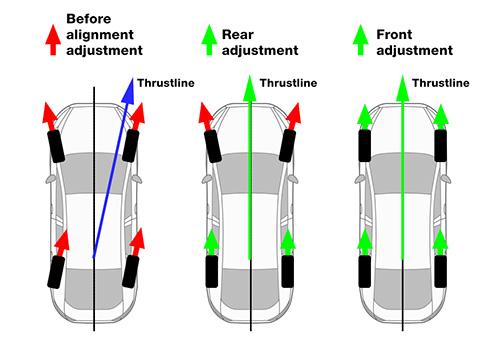
Thrust alignment is a type of wheel alignment that ensures the rear wheels follow the direction of the front wheels. It focuses on the relationship between the rear axle and the vehicle’s centerline. This alignment helps keep the vehicle driving straight and reduces tire wear.
It is essential when the rear wheels are not aligned correctly, causing the vehicle to pull or drift. Thrust alignment corrects the rear axle angle to match the front axle’s direction. This keeps the car stable and improves handling on the road.
Key Features
Thrust alignment measures the angle of the rear wheels relative to the vehicle’s centerline. It checks if the rear wheels are pointing straight or angled inward or outward. The goal is to adjust the rear wheels so they align with the front wheels’ thrust line.
This alignment prevents uneven tire wear and improves vehicle stability. It helps avoid steering problems and reduces the risk of drifting. Thrust alignment is often needed after accidents or suspension repairs.
Ideal Vehicle Types
Thrust alignment works best for rear-wheel-drive cars and trucks. It suits vehicles with a solid rear axle or independent rear suspension. Larger vehicles like SUVs and pickup trucks benefit from thrust alignment.
Vehicles with frequent heavy loads or rough road use also need thrust alignment. It keeps their rear wheels tracking properly behind the front wheels. This results in safer driving and longer tire life.
Credit: belmont-autocenter.com
Four-wheel Alignment
Four-wheel alignment is a precise process that adjusts all wheels on a vehicle. It ensures the front and rear wheels work together perfectly. This alignment type is crucial for cars with independent rear suspensions or all-wheel drive.
It helps keep the vehicle stable and safe on the road. Mechanics measure and correct the angles of all four wheels. This process improves how the car drives and how the tires wear over time.
Comprehensive Adjustment
Four-wheel alignment fixes camber, caster, and toe angles on all wheels. It balances the wheels to match manufacturer settings. This adjustment corrects any uneven wear on tires. It also ensures that all wheels point in the right direction. The process uses advanced tools to measure each wheel’s position carefully.
This method is more detailed than two-wheel alignment. It covers both front and rear wheels. The rear wheels’ position greatly affects how the car handles. Proper adjustment makes sure the vehicle drives straight without pulling.
Benefits For Handling
Four-wheel alignment improves vehicle control and steering response. It reduces steering effort, making driving easier and safer. The vehicle stays stable during turns and on rough roads. Drivers notice less vibration and smoother rides. Proper alignment also extends tire life by preventing uneven wear.
With all wheels aligned, the car follows the road accurately. This means safer driving in all weather conditions. It also helps save money on fuel and tire replacements over time. Overall, four-wheel alignment enhances comfort and safety on every trip.
Common Alignment Angles
Common alignment angles control how your car’s wheels sit and move. These angles affect tire wear, handling, and safety. Understanding them helps you keep your vehicle running smoothly and safely.
Camber
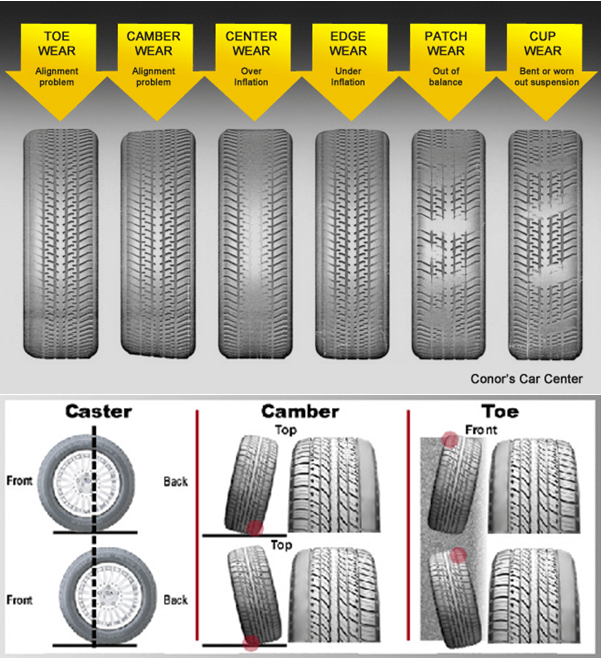
Camber is the tilt of the wheel from top to bottom. If the top leans inward, it is negative camber. If it leans outward, it is positive camber. Proper camber improves cornering and tire grip.
Toe
Toe refers to how much the wheels point inward or outward. Toe-in means the front of the wheels face each other. Toe-out means they point away. Correct toe settings reduce tire wear and improve steering.
Caster
Caster is the angle of the steering axis from front to back. A positive caster tilts the steering backward. It helps with straight-line stability and steering feel. Negative caster can cause poor handling and instability.

Credit: tyreright.com.au
Diy Vs Professional Alignment
Choosing between DIY and professional wheel alignment depends on your skills and tools. Both methods have pros and cons. Understanding the differences helps you decide what suits your needs best.
Tools Needed
DIY alignment requires basic tools like a tape measure and a wrench. You might need a camber gauge or alignment rack for better accuracy. These tools cost money and require learning to use them properly.
Professional shops have advanced machines and sensors. They measure angles precisely and adjust your wheels quickly. This equipment ensures alignment meets factory standards.
Risks And Rewards
DIY alignment saves money but risks errors. Small mistakes can cause uneven tire wear or poor handling. Without proper tools, measurements might be off.
Professional alignment costs more but offers peace of mind. Experts find and fix problems fast. Your car drives smoother and tires last longer.
Maintaining Perfect Tire Alignment
Maintaining perfect tire alignment is essential for safe driving and vehicle performance. Proper alignment keeps your tires straight and balanced. This helps your car move smoothly and reduces wear and tear. Regular care can save money on tire replacements and improve fuel efficiency.
Regular Checks
Check your tire alignment often. Rough roads and bumps can misalign wheels. Signs include uneven tire wear or your car pulling to one side. A quick visit to a service center helps keep alignment correct. Regular checks prevent bigger problems later.
Impact On Tire Life
Good alignment extends tire life. Misalignment causes uneven tire wear. Tires wear faster on one edge, needing early replacement. Proper alignment spreads wear evenly across tires. This saves money and keeps your ride safe.
Conclusion
Understanding the types of wheel alignments helps keep your car safe. Proper alignment improves tire life and fuel efficiency. Regular checks prevent uneven tire wear and steering issues. Choose the right alignment based on your car’s needs. Routine alignment saves money on repairs later.
Keep your vehicle running smoothly and safely. Simple steps for better driving comfort and control. Stay aware, and your wheels will guide you well.