
If you want to boost your car’s performance and enjoy a smoother drive, understanding the types of cold air intakes is key. You might have heard the term but aren’t sure which one fits your ride best.
Choosing the right cold air intake can improve your engine’s power, fuel efficiency, and even the sound of your car. This guide will walk you through the different types available, so you can make the best choice for your vehicle and driving style.
Ready to unlock your car’s full potential? Keep reading to find out how.
Benefits Of Cold Air Intakes
Cold air intakes offer several benefits that improve your car’s overall performance. They help your engine get cooler, denser air. Cooler air means more oxygen, which helps the engine burn fuel better. This simple change can make a noticeable difference in how your car runs and feels.
Improved Engine Performance
Cold air intakes let more air flow into the engine. More air means the engine can produce more power. This leads to smoother acceleration and higher speed potential. The engine runs more efficiently, which can make driving more fun.
Enhanced Fuel Efficiency
With better air intake, the engine burns fuel more completely. This means the car uses less fuel for the same distance. You can save money on gas and reduce your trips to the pump. A cold air intake helps your car run cleaner and smarter.
Better Throttle Response
The engine reacts faster to the gas pedal. This means quicker starts and smoother changes in speed. You feel more control over your car’s movements. A cold air intake reduces lag and makes driving more responsive.

Credit: gexhaust.com
Short Ram Intakes
Short Ram Intakes are a popular choice for car enthusiasts who want a simple upgrade. They replace the factory air intake with a shorter, straight pipe and a high-flow air filter. This design reduces airflow resistance and can improve engine sound and throttle response. Short Ram Intakes sit inside the engine bay and draw air from under the hood.
Design And Features
Short Ram Intakes have a short, wide tube made from metal or plastic. The tube connects directly to the throttle body. A large, conical air filter attaches to the other end. This filter allows more air into the engine than a stock filter. The intake usually includes heat shields or insulation to reduce hot air intake. The design is simple and easy to install on many cars.
Performance Impact
Short Ram Intakes improve airflow to the engine. This can increase horsepower and torque slightly. Drivers often notice better throttle response. Engine sound becomes louder and sportier. However, these intakes can draw warmer air from the engine bay. Warm air is less dense, which may reduce some power in hot conditions. Still, the performance boost is noticeable in cooler weather.
Ideal Applications
Short Ram Intakes work best in cars with plenty of space under the hood. They suit street cars and daily drivers. These intakes fit well in turbocharged or naturally aspirated engines. They are a good choice for mild performance upgrades. Not recommended for racing or extreme power builds. Ideal for drivers wanting simple improvements and a better engine sound.
Cold Air Intakes
Cold air intakes are popular upgrades for many car owners. They replace the factory air intake system. Their main goal is to bring cooler air into the engine. Cooler air is denser and has more oxygen. This helps improve the engine’s performance and efficiency.
How They Work
Cold air intakes pull air from outside the engine bay. This air is usually cooler than inside air. The intake uses a smooth tube to reduce air resistance. A special filter cleans the air before it reaches the engine. Cooler, clean air helps the engine burn fuel better. This creates more power and better throttle response.
Advantages Over Stock Intakes
Cold air intakes offer several benefits over stock intakes. They provide more airflow, which boosts engine power. They reduce the engine’s effort to pull air in. This can improve fuel economy slightly. The filters in cold air intakes are often reusable. They also produce a deeper, sportier sound. Many drivers enjoy this added engine noise.
Common Brands
Several brands are known for making quality cold air intakes. K&N is famous for its durable filters and good airflow. AEM offers intakes that focus on performance gains. Spectre is popular for budget-friendly options. Injen provides well-designed systems for many car models. These brands offer a range of choices for different needs and budgets.
Ram Air Intakes
Ram air intakes improve engine performance by using the car’s forward motion. They capture outside air and force it into the engine. This process increases air pressure, leading to better combustion. Drivers notice more power, especially at high speeds.
Principle Of Operation
Ram air intakes work by channeling air through a scoop or vent. The faster the car moves, the more air is pushed into the intake. This pressurized air enters the engine, replacing the normal air intake. Higher pressure means more oxygen for the engine to burn fuel.
Benefits At High Speeds
At high speeds, ram air intakes boost engine power noticeably. The increased air pressure helps the engine breathe better. This leads to improved acceleration and efficiency. The system works best on highways or race tracks.
Installation Considerations
Installing a ram air intake requires space at the front of the vehicle. The scoop must face forward to catch air properly. It is important to ensure a secure fit to avoid leaks. Some models may need custom modifications for installation.
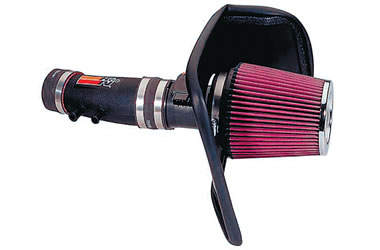
Heat Shielded Intakes
Heat shielded intakes are a popular type of cold air intake for cars. They help keep the air entering the engine cooler. Cooler air improves engine performance and efficiency. These intakes include a barrier that protects the air filter from hot engine heat. This design helps the engine get fresh, cold air even in hot conditions.
Role Of Heat Shields
Heat shields block heat from the engine bay. They create a barrier around the air filter. This stops hot air from mixing with the intake air. The shield keeps the air intake cooler and cleaner. It also protects the intake parts from heat damage.
Effect On Air Temperature
Heat shields lower the temperature of air entering the engine. Cooler air is denser, with more oxygen. More oxygen means better combustion inside the engine. This leads to improved power and fuel efficiency. Without a heat shield, hot air can reduce engine performance.
Best Use Cases
Heat shielded intakes work well in hot weather areas. They are good for cars with tightly packed engine bays. These intakes suit drivers who want better performance without big changes. Also, they fit well for daily drivers and light racing use. Heat shielded intakes are a simple way to boost engine air quality.
Credit: www.onallcylinders.com
Materials Used In Intakes
The materials used in car cold air intakes play a key role in their performance and durability. Different materials affect the weight, heat resistance, and airflow. Choosing the right material can improve your car’s engine efficiency and lifespan. Below are common materials used in cold air intakes and how they compare.
Plastic Vs Aluminum
Plastic intakes are lightweight and cost-effective. They resist corrosion well but may warp under high heat. Aluminum intakes are stronger and handle heat better. They also help cool the air before it reaches the engine. On the downside, aluminum can be heavier and pricier than plastic.
Carbon Fiber Options
Carbon fiber intakes offer high strength with very low weight. They resist heat and reduce engine bay temperatures. These intakes often have a sleek, modern look. Carbon fiber is more expensive but improves airflow and durability significantly.
Impact On Durability And Performance
Material choice affects how long the intake lasts and how well it works. Aluminum and carbon fiber usually last longer than plastic. They keep air cooler, which helps engine power. Plastic intakes may degrade faster but still provide good airflow for daily use.
Choosing The Right Intake
Choosing the right cold air intake can improve your car’s power and efficiency. The right intake fits your vehicle and meets your driving needs. Selecting the best option requires understanding key factors like vehicle type, cost, and installation.
Matching Intake To Vehicle Type
Different vehicles need different intake systems. Some intakes suit trucks better, others fit sports cars. Check your car’s make and model before buying. Performance gains depend on a good match. Choose an intake designed for your engine size and style. This helps the engine breathe better and work efficiently.
Balancing Cost And Performance
Cold air intakes come in many price ranges. High-end models offer better airflow and durability. Budget options still provide good improvements. Decide how much you want to spend. Compare features and benefits of each option. Pick one that offers the best value for your money.
Installation Tips
Many intakes are easy to install with basic tools. Read the instructions carefully before starting. Disconnect the battery to avoid electrical issues. Remove the old intake system step-by-step. Fit the new intake securely and check all connections. Test the engine to ensure proper function. If unsure, seek help from a professional mechanic.
Maintenance Of Cold Air Intakes
Maintaining your car’s cold air intake is key to keeping it working well. Dirt and dust can block airflow and reduce performance. Regular care helps the system last longer and keeps your engine healthy. Simple steps can make a big difference.
Cleaning Filters
Clean filters prevent dirt from entering the engine. Remove the filter carefully before cleaning. Use a gentle cleaner made for air filters. Rinse with water and let it dry fully. Avoid harsh chemicals that can damage the filter. Clean filters improve airflow and engine power.
Inspecting For Damage
Check the intake system for cracks or tears. Look at the filter, tubing, and clamps. Small holes can let dirt inside the engine. Replace damaged parts quickly to avoid bigger problems. Regular checks catch issues early and save money.
Longevity Tips
Keep your cold air intake dry and clean. Avoid driving through deep water or dusty roads. Use high-quality filters designed for your car model. Follow the cleaning schedule recommended by the manufacturer. Good care ensures your intake lasts for years.

Credit: www.specialtyperformanceparts.com
Conclusion
Choosing the right cold air intake can boost your car’s performance. Each type offers different benefits for power and efficiency. Some intakes focus on cooler air, while others improve airflow speed. Think about your needs and car model before deciding.
Proper installation matters for the best results. A good cold air intake can improve fuel economy and engine sound. Keep maintenance simple for long-lasting performance. Explore options and pick what fits your driving style. Enjoy a smoother, stronger ride with the right air intake system.