Have you ever wondered what happens behind the scenes when garbage disappears from your street? The answer lies in the different types of garbage trucks working hard to keep your neighborhood clean.
Understanding these trucks can change the way you see waste collection and even help you appreciate the effort it takes to manage trash. You’ll discover the main types of garbage trucks and how each one plays a vital role in handling your waste efficiently.
Keep reading—you might be surprised by what you learn!
Credit: bigtruckrental.com
Front Loaders
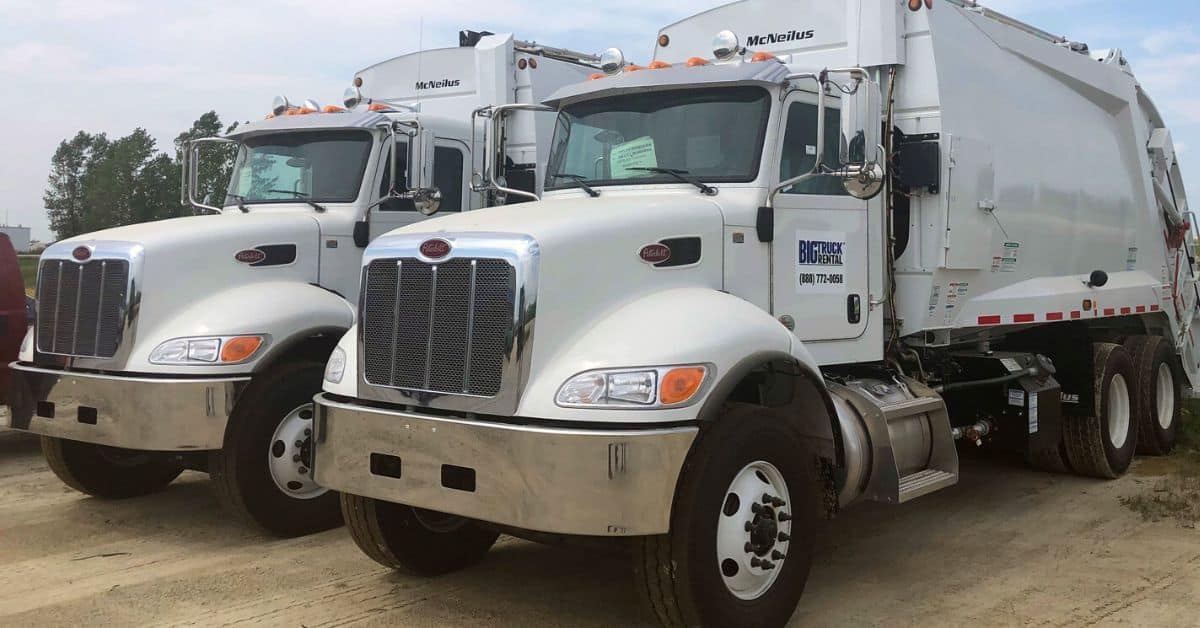
Front loader garbage trucks are a common sight in many cities. They have a unique design that makes trash collection faster and easier. These trucks pick up large containers from the front, lifting and emptying them into the truck’s main body. This method helps save time and reduces the need for manual labor.
Design And Features
Front loaders have two large forks on the front. These forks slide under containers, lifting them above the truck. The container is then tipped to dump waste inside. The truck has a large storage area to hold a lot of garbage. Operators control the forks using hydraulic systems from inside the cab. This design allows one person to collect trash quickly.
Common Uses
These trucks mainly serve commercial and industrial areas. They pick up waste from businesses, factories, and apartment complexes. Front loaders handle heavy and large containers easily. They work well on fixed routes with big dumpsters. Many cities use front loaders for regular trash collection in busy areas.
Advantages
Front loaders speed up the trash collection process. They reduce the need for workers to lift heavy bins. This lowers the risk of injuries on the job. The truck’s large capacity means fewer trips to dump sites. Their strong hydraulic arms can handle tough containers. Front loaders are also durable and require less maintenance.
Rear Loaders
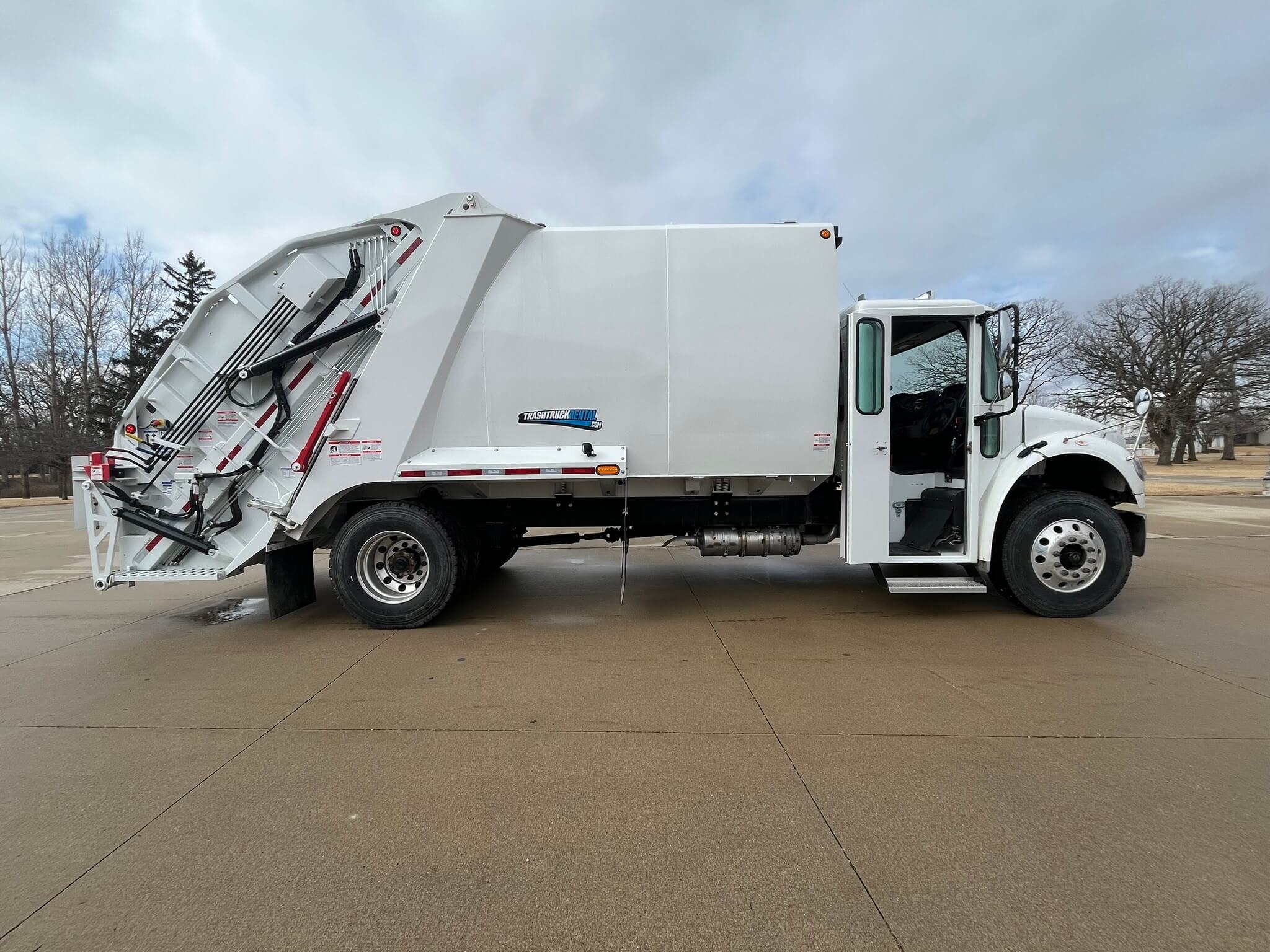
Rear loader garbage trucks are one of the most common types used for waste collection. They have a simple design that helps collect trash efficiently. Workers load garbage into the back of the truck. This design works well in many settings.
Operational Mechanism
Rear loaders have a large opening at the back. Workers lift trash bins and empty them into this opening. A hydraulic system compacts the waste inside the truck. This process reduces the volume of trash. It allows the truck to carry more waste at once. The rear door closes tightly to keep trash inside during travel.
Typical Applications
Rear loaders are often used in residential areas. They fit narrow streets and tight spaces well. These trucks also handle mixed waste types easily. They are common in small towns and cities. They work best where manual loading is possible and quick stops are needed.
Benefits
Rear loaders are simple to operate and maintain. They offer flexibility for many collection routes. Their design supports manual and semi-automated loading. The compacting system saves space and reduces trips to landfills. These trucks provide reliable service with low operating costs.
Side Loaders
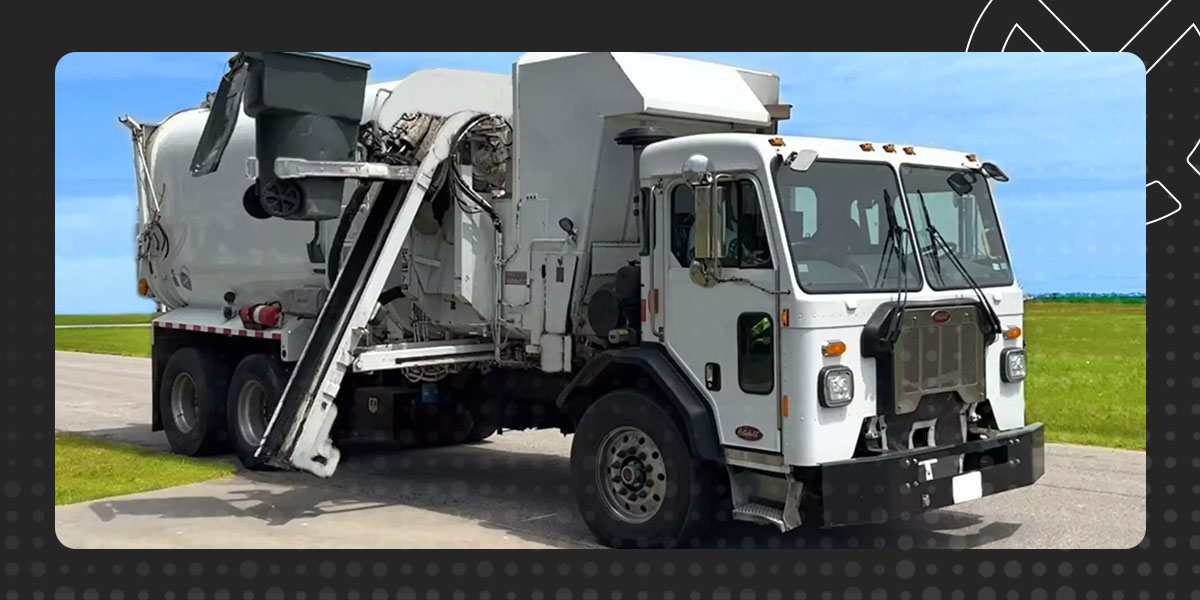
Side loader garbage trucks are common in many cities. They collect waste from the side of the road using an arm that reaches out. This design helps drivers pick up trash without leaving the truck. It saves time and effort during collection.
Automated Systems
Side loaders often use automated arms. The arm grabs bins quickly and lifts them into the truck. This system reduces the need for workers to handle heavy bins. Automation also lowers the risk of injuries.
Efficiency In Collection
These trucks collect waste faster than manual trucks. They can pick up bins without stopping for long. Drivers can cover more area in less time. This efficiency helps cities keep streets clean.
Ideal Environments
Side loaders work best in residential areas. They need space beside the road for the arm to reach bins. These trucks suit neighborhoods with standard-sized bins. They are less useful on narrow streets or alleys.
Roll-off Trucks
Roll-off trucks are a common type of garbage truck. They carry large containers that can be rolled on and off the truck. These trucks work well for big cleanups or construction waste. The containers they carry come in many shapes and sizes. These trucks make waste collection easier and faster.
Container Types
Roll-off trucks use containers called dumpsters. They come in many sizes, usually from 10 to 40 cubic yards. Some containers have open tops, good for bulky waste. Others have lids to keep trash inside. Some containers are low to the ground for easy loading. Each type fits different kinds of waste.
Usage Scenarios
Roll-off trucks are perfect for construction sites. They hold debris like wood, metal, and concrete. These trucks also work for big cleanups, like home renovations. They help businesses remove large amounts of trash. Roll-off trucks serve places with lots of waste to haul away.
Load Capacity
These trucks can carry heavy loads. Most roll-off containers hold 10,000 to 20,000 pounds. The exact weight depends on the container size. Drivers must follow weight limits for safety. High load capacity means fewer trips to the dump. This saves time and money during cleanup.
Compactor Trucks
Compactor trucks are a common type of garbage truck. They carry out two main tasks: collecting trash and compressing it. These trucks make waste collection more efficient. They reduce the space that trash takes up. This allows more waste to fit inside the truck. Compactor trucks help keep streets cleaner and reduce the number of trips to dump sites.
Compaction Process
The compaction process uses a large plate or blade inside the truck. This plate pushes the trash to pack it tightly. The driver activates the compactor after loading the waste. The compacting force crushes the garbage to take up less space. This helps the truck hold more waste before emptying. The process also prevents loose trash from falling out during travel.
Waste Volume Reduction
Compactor trucks reduce waste volume by pressing trash together. This can shrink the size of garbage by up to half. Smaller waste volume means fewer trips to landfills. It lowers fuel use and saves time. More efficient waste collection reduces traffic and noise. Fewer trucks on the road also reduce pollution. This helps cities manage waste better and cleaner.
Environmental Impact
Compactor trucks have a positive effect on the environment. They reduce the number of trips to disposal sites. Less travel means less fuel burned and fewer emissions. Compacting waste also helps prevent litter and spills. It keeps trash contained and safer for workers. Overall, these trucks support cleaner, healthier communities. They play a key role in modern waste management.
Specialized Garbage Trucks
Specialized garbage trucks serve specific types of waste. They help manage materials safely and efficiently. These trucks are designed for unique waste collection needs. Their features support better recycling, hazardous material handling, and organic waste processing.
Recycling Trucks
Recycling trucks collect paper, plastic, glass, and metals. They have separate compartments for different materials. This separation helps improve recycling quality. The trucks use compactors to reduce the volume of recyclables. They keep waste clean and ready for processing plants.
Hazardous Waste Trucks
Hazardous waste trucks handle dangerous materials like chemicals and batteries. They have special containers to prevent leaks and spills. These trucks follow strict safety rules. Drivers wear protective gear during collection. The trucks ensure harmful waste does not contaminate the environment.
Organic Waste Trucks
Organic waste trucks collect food scraps and garden waste. They keep the waste moist to prevent odor. These trucks often use sealed containers to stop leaks. The collected waste goes to composting facilities. This process turns waste into useful soil nutrients.
Electric And Hybrid Models
Electric and hybrid garbage trucks are gaining popularity worldwide. These vehicles use cleaner energy sources than traditional diesel trucks. They help reduce pollution and noise in cities. Many local governments invest in them to improve air quality and lower carbon emissions.
Electric trucks run fully on batteries, while hybrid trucks combine batteries with fuel engines. Both types aim to make waste collection greener and quieter. Their technology is evolving fast, offering better performance and longer range.
Technology Overview
Electric garbage trucks use large batteries to power electric motors. They need charging stations to recharge between shifts. Hybrid models use a mix of electric motors and fuel engines. The fuel engine can recharge batteries or power the truck directly. This setup extends driving range and reduces fuel use. Both trucks have advanced control systems for smooth operation.
Benefits For Cities
Electric and hybrid garbage trucks reduce harmful emissions. This improves air quality and public health. They also operate quietly, cutting noise pollution. Lower fuel consumption saves money for city budgets. These trucks support green city plans and meet stricter environmental rules. Maintenance costs can be lower due to fewer moving parts in electric motors.
Challenges
Electric garbage trucks need reliable charging infrastructure. Charging can take several hours, limiting usage time. High upfront costs slow down adoption by many cities. Battery life and replacement costs remain concerns. Hybrid trucks still use some fossil fuels, so emissions are not zero. Technology improvements and government support are crucial to overcome these challenges.
Credit: trashtruckrental.com
Choosing The Right Garbage Truck
Choosing the right garbage truck is key for efficient waste management. Each type serves different purposes and suits different work environments. Picking the right truck saves time, effort, and money. It also helps keep operations smooth and safe.
Factors To Consider
Think about the type of waste to collect. Some trucks handle bulky waste, others manage liquids or recyclables. Consider the size of the routes. Smaller trucks work well in tight city streets. Larger trucks fit better in open areas with big loads. Also, check the truck’s capacity. Match it to the amount of waste your business handles daily.
Cost Implications
Garbage trucks vary in price. New trucks cost more but last longer. Used trucks are cheaper but may need repairs. Fuel type affects running costs. Electric trucks cost less to run but have higher upfront prices. Balance initial cost with long-term expenses. Choose a truck that fits your budget and work needs.
Maintenance Needs
Regular maintenance keeps trucks working well. Some types need more frequent service than others. Check availability of parts and skilled mechanics. Easy-to-maintain trucks reduce downtime and repair costs. Plan for routine checks and timely repairs. This keeps your fleet reliable and safe on the road.
Credit: www.mtechcompany.com
Conclusion
Garbage trucks come in many types, each with a special job. Some carry heavy loads, while others handle recyclables or yard waste. Knowing their differences helps communities stay clean and safe. These trucks work hard every day to manage waste properly.
Understanding their roles shows how important they are in waste management. Clean streets and healthy neighborhoods depend on these machines. Choosing the right truck helps keep the environment green. Waste collection is a big task, and these trucks make it easier.
They play a key part in keeping cities tidy and healthy.