
When it comes to your vehicle, the right rims can make all the difference. Not only do they boost your car’s look, but they also affect performance and safety.
But with so many types of rims out there, how do you know which one suits your style and needs? You’ll discover the key types of rims, what makes each unique, and how to pick the perfect set for your ride.
Keep reading—you’re about to learn what can take your vehicle from ordinary to outstanding.
Popular Rim Materials
Rims come in different materials. Each type has its own benefits and uses. Choosing the right rim material can improve your vehicle’s look and performance. Below are some popular rim materials found in many cars today.
Steel Rims
Steel rims are strong and affordable. They handle rough roads well. These rims weigh more than others. They are often used for winter tires or heavy-duty vehicles. Steel rims are easy to repair and last long.
Aluminum Rims
Aluminum rims are light and stylish. They help improve fuel efficiency. These rims resist rust and corrosion. Aluminum rims come in many designs and sizes. They offer better handling and a smoother ride.
Carbon Fiber Rims
Carbon fiber rims are very light and strong. They are mostly used in sports and luxury cars. These rims improve speed and acceleration. Carbon fiber rims cost more than others. They also provide better braking performance.
Magnesium Rims
Magnesium rims are lightweight and strong. They are popular in racing cars. These rims help reduce the car’s weight. Magnesium rims improve cornering and control. They need special care to avoid corrosion.

Credit: www.cjponyparts.com
Common Rim Designs
Rims come in many styles that suit different tastes and needs. Each design offers unique looks and benefits. Choosing the right rim can change the entire appearance of your vehicle. Here are some popular rim designs you will often see on the road.
Multi-spoke Rims
Multi-spoke rims have many thin spokes spreading from the center to the edge. They create a clean and detailed look. This design helps distribute weight evenly. It often improves the rim’s strength and durability. Multi-spoke rims fit well with both sporty and classic cars.
Mesh Rims
Mesh rims feature a web-like pattern of crisscrossed spokes. They give a stylish and intricate appearance. These rims balance beauty and function. The mesh design allows good airflow to cool the brakes. It’s a popular choice for performance and luxury vehicles.
Split-spoke Rims
Split-spoke rims have spokes that split into two near the edge. This design adds depth and visual interest. It creates a dynamic and modern look. Split spokes reduce weight while keeping strength. Many drivers like this style for a sleek and sporty feel.
Deep Dish Rims
Deep dish rims have a wide lip around the edge. The center sits deep inside the rim. This style gives a bold and aggressive stance. Deep dish rims often make the tires appear wider. They are common on muscle cars and custom rides.
Choosing Rims For Performance
Choosing the right rims can greatly improve your vehicle’s performance. Rims affect speed, handling, and safety. Picking rims that fit your driving style matters a lot. Understanding different rim types helps you make a smart choice.
Lightweight Options
Lightweight rims reduce the overall weight of the car. Less weight means the engine works less hard. This improves acceleration and fuel efficiency. Many lightweight rims use aluminum or magnesium alloys. These materials provide strength without adding much weight.
Strength And Durability
Strong rims resist damage from rough roads or impacts. Durable rims last longer and keep your vehicle safe. Steel rims offer high durability but are heavier. Forged aluminum rims combine strength with lower weight. Choose rims that match your road conditions and driving habits.
Impact On Handling
Rims influence how your vehicle handles turns and stops. Wider rims can improve grip and stability. Proper rim size keeps tires fitted well for better control. Balanced rims reduce vibrations and improve ride comfort. Good handling increases safety and driving pleasure.
Rims For Style And Customization
Rims play a big role in making your car look unique. They add style and allow for customization. Choosing the right rims can change the whole look of your vehicle. Many people pick rims not just for function, but to express their personality. This section explores popular options for style and customization.
Finish Types And Colors
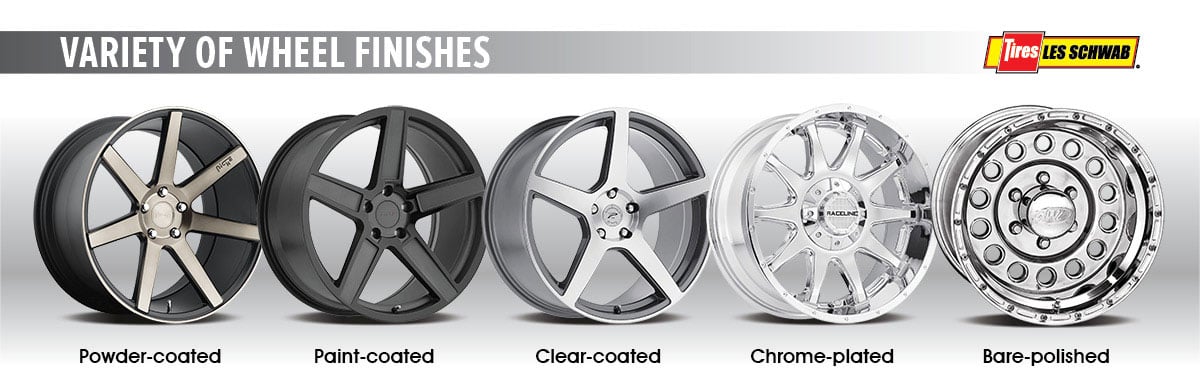
Rims come in many finishes. Glossy finishes shine bright and catch the eye. Matte finishes offer a smooth, subtle look. Satin finishes blend shine and dullness. Colors range from classic silver and black to bold red and blue. Two-tone rims mix colors for a fresh style. The finish and color affect the car’s overall mood.
Custom Rim Shapes
Rims are not limited to round or simple designs. Custom shapes add flair to your ride. Spokes can be thin, thick, curved, or straight. Some rims have intricate patterns like stars or webs. Unique shapes can make your car stand out in traffic. The shape also affects the rim’s strength and weight.
Matching Rims To Vehicle Type
Different vehicles suit different rims. Sports cars often use lightweight, sleek rims for speed. Trucks need strong rims that handle rough roads. SUVs benefit from bold, rugged designs. Luxury cars pair well with elegant, polished rims. Choosing rims that match your vehicle type improves both style and performance.
Maintenance Tips For Rims
Rims need care to stay strong and look good. Proper maintenance can extend their life. Clean rims often to avoid dirt build-up. Protect them from scratches and dents. Fix small damages early to prevent bigger problems. These steps keep rims safe and shiny.
Cleaning Techniques
Use mild soap and water for regular cleaning. Avoid harsh chemicals that damage the finish. Soft brushes help remove dirt from tight spots. Rinse thoroughly to remove all soap. Dry rims with a clean cloth to stop water spots.
Protecting From Damage
Avoid hitting curbs or potholes to prevent dents. Use rim protectors for extra safety. Park carefully to reduce risks of scratches. Store rims in a dry, safe place when not in use. Regular checks catch damage early.
Repairing Scratches And Bends
Light scratches can be fixed with special rim polish. Deeper scratches may need professional repair. Small bends affect driving and need quick attention. Use a rim repair kit for minor fixes. Consult experts for severe damage to ensure safety.
Credit: www.lesschwab.com
Rim Sizes And Fitment
Choosing the right rim size and fitment is key for your vehicle’s performance and look. Proper fitment ensures safety, smooth driving, and better handling. Each car needs rims that match its size and design.
Understanding rim dimensions helps you pick the best option for your wheels. Fitment includes several factors like diameter, width, bolt patterns, offset, and backspacing. Knowing these details keeps your rims secure and aligned.
Diameter And Width
Rim diameter is the distance across the rim, measured in inches. Common sizes range from 14 to 22 inches. The right diameter matches your tire size and vehicle needs.
Rim width is the distance between the inner edges of the rim. It affects tire fit and handling. Wider rims support wider tires for better grip and style.
Both diameter and width must fit your car’s specifications. Too big or small rims can cause problems like rubbing or poor performance.
Bolt Patterns
Bolt pattern means the number and arrangement of holes for lug nuts. It must match your vehicle’s hub exactly. Common patterns include 4, 5, or 6 bolts.
The bolt circle diameter (BCD) measures the distance across bolts. It ensures the rim fits perfectly on the wheel hub. Wrong bolt patterns can lead to unsafe rides.
Offset And Backspacing
Offset is the distance between the rim’s mounting surface and its centerline. It can be positive, negative, or zero. Proper offset maintains the wheel’s position under the fender.
Backspacing measures the distance from the mounting surface to the back edge of the rim. It affects clearance for brakes and suspension parts.
Both offset and backspacing must suit your car to avoid rubbing or handling issues.

Credit: www.tirebuyer.com
Conclusion
Choosing the right rim type affects your car’s look and performance. Each rim style offers unique benefits and suits different needs. Consider your driving habits and budget before deciding. Rims can improve handling, fuel efficiency, and overall safety. Take time to explore options and ask questions.
Your car deserves the best fit for both style and function. Remember, simple choices often bring the best results. Keep your wheels turning smoothly and looking sharp.