
Have you ever faced the challenge of driving on a steep mountain road and wondered what type of mountain driving you were dealing with? Understanding the different types of mountain driving can make a huge difference in how safe and confident you feel behind the wheel.
Whether you’re navigating sharp curves, steep climbs, or narrow paths, knowing what to expect helps you prepare better and avoid common mistakes. You’ll discover the key types of mountain driving and simple tips to handle each one like a pro.
Keep reading—your next mountain drive will never feel the same.
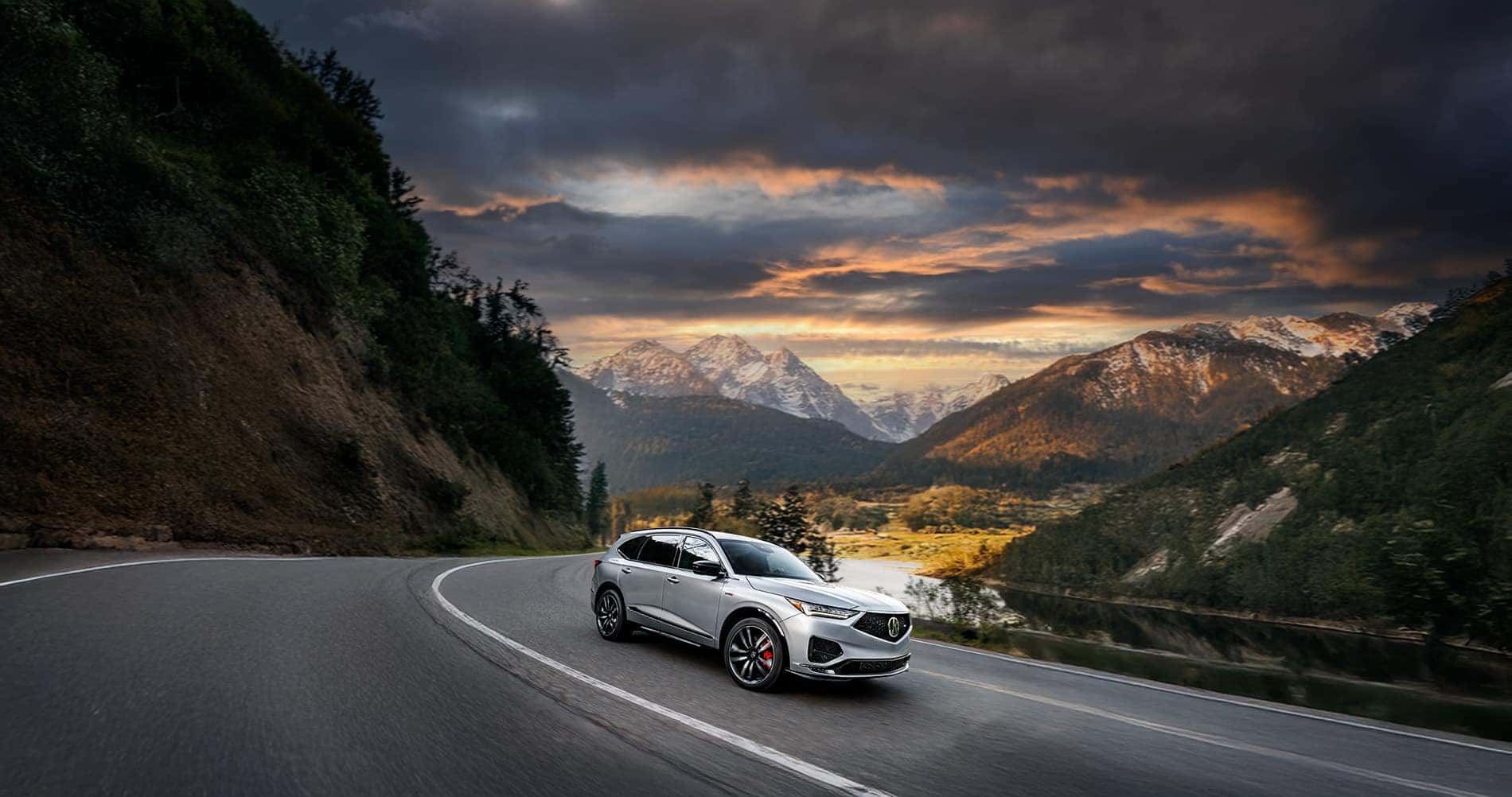
Credit: www.fisheracura.com
Mountain Road Types
Mountain roads vary widely in type and difficulty. Each type offers a unique driving experience. Knowing the differences helps drivers prepare and stay safe.
Road types in mountains include paved highways, gravel paths, and off-road trails. These roads test your vehicle and skills in different ways.
Paved Highways
Paved highways are common in mountainous areas. They have smooth surfaces made of asphalt or concrete. These roads are easier to drive on and usually wide enough for two lanes.
Steep slopes and sharp curves are typical features. Drivers must watch speed and brake carefully. Weather can affect traction, especially in rain or snow.
Gravel Paths
Gravel paths are less smooth and often narrower. Loose stones make traction tricky and increase tire wear. These roads appear in less developed mountain regions.
Drivers should reduce speed and avoid sudden turns. Gravel paths require more attention to steering and braking. They offer a rustic and adventurous experience.
Off-road Trails
Off-road trails are the toughest type of mountain roads. These paths are unpaved and often rough with rocks, mud, and ruts. Vehicles with four-wheel drive are best suited here.
Drivers must be skilled and prepared for obstacles. Off-road trails lead to remote areas with stunning views. They provide a true challenge for mountain driving enthusiasts.

Credit: www.fisheracura.com
Challenges Of Mountain Driving
Mountain driving tests your skills and patience. It demands careful attention and steady control. The challenges here differ from regular road driving. Understanding these difficulties helps keep you safe and confident.
Steep Inclines And Declines
Climbing steep hills requires more engine power and lower gears. Your vehicle may slow down if the engine struggles. Descending slopes calls for careful brake use. Overusing brakes can cause them to overheat and fail. Maintaining a slow, steady speed prevents accidents and saves fuel.
Narrow And Winding Roads
Mountain roads are often narrow and twist sharply. Passing other vehicles can be tricky and risky. Slow speeds and sharp turns demand full focus. Watch for blind spots and sudden turns. Use your horn to alert others on tight bends.
Weather Conditions
Weather changes fast in mountains. Rain, fog, or snow reduce visibility and road grip. Wet or icy roads increase the chance of slipping. Check weather reports before driving. Carry chains or snow tires during winter months.
Vehicle Preparation
Driving in the mountains demands extra care for your vehicle. Proper preparation helps keep you safe on steep roads and sharp turns. Checking key parts of your car ensures it performs well in tough conditions. This section covers essential vehicle checks before mountain driving.
Tire Checks And Maintenance
Tires are your car’s contact with the road. Check for enough tread depth to prevent slipping. Look for any cracks or bulges on the tire surface. Make sure tire pressure matches the manufacturer’s recommendation. Uneven tire pressure can reduce control on mountain roads.
Brake System Inspection
Brakes work harder on mountain routes. Inspect brake pads for wear and replace if thin. Check brake fluid level and top it up if low. Listen for unusual noises when braking. Proper brake function is critical for safe downhill driving.
Fluid Levels And Cooling
Coolant prevents the engine from overheating on long climbs. Check coolant level and refill if needed. Inspect oil and transmission fluid for proper levels. Clean fluids help your vehicle run smoothly in mountain conditions.

Credit: www.geologyin.com
Driving Techniques
Driving in the mountains is different from regular roads. The steep slopes and sharp curves need special care. Using the right techniques keeps you safe and your vehicle steady. Below are key driving methods for mountain roads.
Using Lower Gears
Shift to lower gears to control speed without heavy braking. This helps the engine slow the car down on steep declines. It also gives more power when climbing uphill. Lower gears reduce the risk of brake overheating.
Controlled Braking
Apply brakes gently and in short bursts. Avoid pressing the brake pedal hard for a long time. This prevents the brakes from getting too hot and losing their strength. Use engine braking together with your foot brake for better control.
Handling Sharp Turns
Slow down before entering tight curves. Steer smoothly and avoid sudden moves. Keep your car close to the road’s inside edge but stay in your lane. Look ahead to anticipate the next curve and adjust your speed early.
Safety Gear And Equipment
Driving in the mountains requires special safety gear and equipment. The terrain is rough and weather can change fast. Being ready with the right tools can save lives and prevent accidents. Safety gear helps you stay prepared for any situation on mountain roads.
Emergency Kits
Every driver should carry an emergency kit. It must include first aid supplies, flashlight, and extra batteries. Tools like a multi-tool, jumper cables, and a tire repair kit are important. Pack water, snacks, and blankets too. These items support you if you get stuck or face a breakdown.
Communication Devices
Strong communication tools are essential in mountains. Mobile phones may not always work well. Satellite phones or two-way radios provide reliable contact. They help you call for help or check in with others. Always keep devices fully charged and carry portable chargers.
Proper Clothing
Wear clothes that protect you from cold and wind. Layered clothing is best for changing temperatures. Waterproof jackets and sturdy boots improve comfort and safety. Gloves and hats keep extremities warm. Proper clothing helps you stay safe during unexpected weather shifts.
Environmental Considerations
Driving in the mountains offers stunning views and fresh air. Protecting this natural beauty is very important. Every driver must think about the environment. Small actions make a big difference. Respecting nature helps keep mountain roads safe and clean for everyone.
Wildlife Awareness
Animals live close to mountain roads. They can cross suddenly. Slow down and watch carefully. Avoid loud noises that scare animals. Keep a safe distance if you see wildlife. Do not feed or touch animals. This keeps both drivers and animals safe.
Leave No Trace Practices
Carry out everything you bring in. Do not leave trash on the road or trails. Use designated rest areas for breaks. Avoid damaging plants or rocks near the road. Stay on marked paths to protect the land. Leave the mountains as beautiful as you found them.
Weather Monitoring
Mountain weather changes quickly. Check the forecast before and during your trip. Watch for fog, rain, or snow that can affect driving. Be ready to stop or turn back if conditions worsen. Safe driving depends on knowing the weather well.
Conclusion
Mountain driving comes in many forms, each with its own challenges. Steep climbs test your engine and brakes. Narrow roads demand focus and careful steering. Weather can change fast, affecting road safety. Knowing these types helps you prepare better. Stay alert and drive with caution every time.
Enjoy the journey but respect the mountain roads. Safe driving makes mountain trips more enjoyable and stress-free. Always check your vehicle before heading up. Mountain driving skills improve with experience and patience.