
When it comes to keeping your vehicle running smoothly, the fuel pump plays a crucial role. But did you know there are different types of fuel pumps, each designed to meet specific needs?
Understanding these can help you make smarter choices about maintenance and repairs. If you want to know which fuel pump powers your ride and why it matters to your car’s performance, keep reading. This guide will break down the main types of fuel pumps in simple terms, so you can feel confident the next time you’re under the hood.
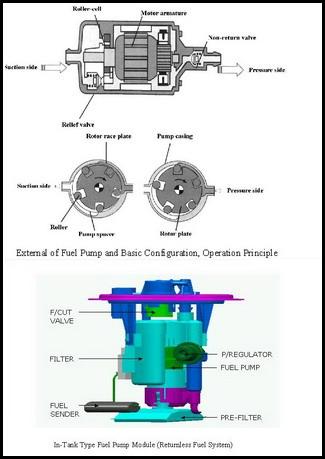
Credit: www.micro-tronik.com
Fuel Pump Basics
Understanding fuel pump basics helps you know how your car runs smoothly. The fuel pump moves fuel from the tank to the engine. It keeps the fuel pressure steady for proper engine function. Without a good fuel pump, your engine may stall or lose power.
Role In Engine Performance
The fuel pump supplies fuel at the right pressure and amount. It ensures the engine gets fuel to burn efficiently. Good fuel flow means better engine starts and smooth running. Low or inconsistent fuel pressure can cause poor engine performance. The pump affects fuel economy and engine power directly.
Common Fuel Pump Designs
There are two main types of fuel pumps: mechanical and electric. Mechanical pumps use engine motion to push fuel. They are common in older cars and simpler engines. Electric fuel pumps run on battery power. They offer steady pressure and are found in most modern vehicles. Some fuel pumps sit inside the fuel tank, while others mount outside it. Each design suits different engine needs and vehicle types.
Mechanical Fuel Pumps
Mechanical fuel pumps have been part of car engines for decades. They move fuel from the tank to the engine using simple mechanical action. These pumps use the engine’s own movement to work, making them reliable and straightforward. Many older vehicles still use mechanical fuel pumps because they are easy to maintain and understand.
How They Work
Mechanical fuel pumps connect to the engine’s camshaft or crankshaft. When the engine runs, it moves a lever inside the pump. This lever pushes a diaphragm up and down. The diaphragm creates suction that pulls fuel from the tank. Then, it pushes fuel toward the engine’s carburetor or fuel injection system. This process repeats with every engine cycle, keeping the fuel flow steady.
Advantages And Limitations
Mechanical fuel pumps are simple and cost less than electric pumps. They do not need extra power to run. They work well at low to moderate engine speeds. Yet, they have limits. Mechanical pumps cannot handle very high fuel pressure. They also struggle with fuel injection systems needing precise fuel flow. Over time, the diaphragm can wear out and cause leaks.
Typical Applications
Many older cars and trucks use mechanical fuel pumps. They fit well with carbureted engines. Small engines like lawn mowers and motorcycles also use these pumps. Classic car restorations often keep mechanical pumps for authenticity. Some industrial machines use them because of their simple design. Overall, mechanical fuel pumps serve well in less complex fuel systems.
Electric Fuel Pumps
Electric fuel pumps play a key role in modern vehicles. They push fuel from the tank to the engine with steady pressure. This ensures smooth engine performance and better fuel efficiency. These pumps are common in many cars today.
Working Principle
Electric fuel pumps use an electric motor to move fuel. The motor powers a small impeller or diaphragm inside the pump. This action creates pressure that pushes fuel through the fuel lines. The pump keeps fuel flow constant, even at high engine speeds.
Types Of Electric Pumps
There are mainly two types of electric fuel pumps. The first is the in-tank pump, which sits inside the fuel tank. It is quiet and cools itself with the fuel. The second is the external pump, mounted outside the tank. It is easier to replace but can be noisier.
Benefits Over Mechanical Pumps
Electric pumps deliver fuel more consistently than mechanical ones. They work well at different engine speeds and conditions. These pumps also allow better control over fuel pressure. They help improve engine efficiency and reduce emissions. Electric pumps are more reliable and require less maintenance.
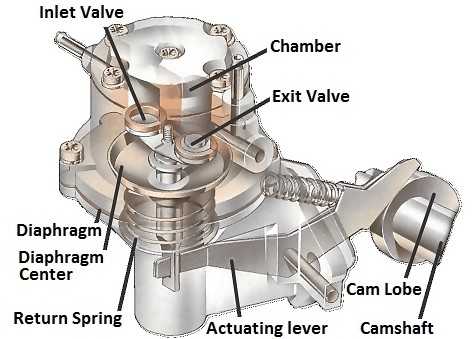
Credit: www.linquip.com
In-tank Fuel Pumps
In-tank fuel pumps are common in many modern vehicles. They sit inside the fuel tank, pushing fuel directly to the engine. This design helps keep the fuel cool and the pump protected. It also ensures steady fuel flow, which improves engine performance. Understanding how these pumps work can help you maintain your vehicle better.
Design Features
In-tank fuel pumps are usually electric and compact. They include a motor, an impeller, and a filter. The motor powers the impeller, which moves fuel through the system. The filter cleans the fuel before it reaches the engine. The entire unit is sealed to prevent leaks and protect against dirt.
Installation Considerations
Installing an in-tank fuel pump requires removing the fuel tank. This task needs care and proper tools. The pump must fit the tank’s opening precisely. Seals and gaskets need replacement to avoid leaks. Wiring connections must be secure to ensure proper function.
Performance Factors
Fuel pressure is a key factor in pump performance. A good pump maintains consistent pressure to the engine. The pump’s flow rate affects how much fuel reaches the engine. Electrical supply also matters; low voltage can reduce pump efficiency. Keeping the fuel clean helps the pump last longer.
External Fuel Pumps
External fuel pumps are a type of fuel pump mounted outside the fuel tank. They push fuel from the tank to the engine through visible lines. This design makes them easier to access and replace if needed.
These pumps are common in older cars and some performance vehicles. They offer specific benefits but also come with some drawbacks. Understanding these helps in choosing the right pump for your needs.
When To Use
External fuel pumps suit vehicles with easy access to the fuel system. They work well in custom or modified cars where fuel flow needs adjustment. Use them if the original internal pump fails or lacks power. They also fit well in racing cars requiring higher fuel pressure.
Pros And Cons
External pumps are easy to inspect and replace. They often cost less than internal pumps. Installation is simpler because they don’t require opening the fuel tank. On the downside, they can be louder than internal pumps. Exposure to heat and dirt may reduce their lifespan. They can also take up space in the engine bay.
Maintenance Tips
Check external pumps regularly for leaks or damage. Clean around the pump to avoid dirt entering the fuel system. Replace the fuel filter often to protect the pump and engine. Listen for unusual noises that may signal wear. Ensure all connections are tight and secure. Regular maintenance extends the pump’s working life and keeps the engine running smoothly.
High-performance Fuel Pumps
High-performance fuel pumps play a key role in powerful engines. They deliver fuel at higher rates than standard pumps. This ensures the engine gets enough fuel to run smoothly. These pumps are built to handle increased fuel flow and pressure. They suit cars with engine upgrades or racing setups. High-performance fuel pumps help improve engine power and responsiveness.
Boosting Fuel Delivery
These pumps push more fuel into the engine quickly. This supports higher engine speeds and loads. Better fuel delivery means more power and better performance. High-performance pumps maintain steady pressure to avoid fuel drops. This helps keep the engine running without hesitation or stalls.
Suitability For Modified Engines
Modified engines need more fuel than stock engines. High-performance pumps meet these demands easily. They work well with turbochargers, superchargers, and larger injectors. These pumps prevent fuel starvation during intense driving. They suit street and race cars with engine upgrades.
Common Brands
Several brands are known for reliable high-performance fuel pumps. Walbro offers popular models for street and race use. Bosch makes durable pumps used in many performance cars. DeatschWerks is another trusted name with high-flow options. Choosing a well-known brand ensures quality and durability.
Choosing The Right Fuel Pump
Choosing the right fuel pump matters for your vehicle’s health and performance. Picking the wrong type can cause issues like poor fuel flow or engine trouble. This guide helps you decide the best fuel pump for your specific needs. Consider your vehicle, fuel type, and budget carefully before making a choice.
Assessing Vehicle Needs
Start by checking your vehicle’s fuel system requirements. Different engines need different fuel flow rates. Performance cars often require high-pressure pumps. Older vehicles may work well with standard pumps. Match the pump to your car’s make and model for smooth operation.
Fuel Type Compatibility
Fuel pumps must suit the type of fuel you use. Gasoline and diesel engines have different pump designs. Using the wrong pump can cause damage or leaks. Verify if the pump supports ethanol blends or biofuels. Choose a pump made for your fuel type only.
Budget And Longevity
Set a budget but think about long-term value. Cheaper pumps may save money now but fail sooner. Higher-quality pumps last longer and reduce repairs. Look for pumps with good warranties and proven reliability. Spending a bit more upfront can save costs later.
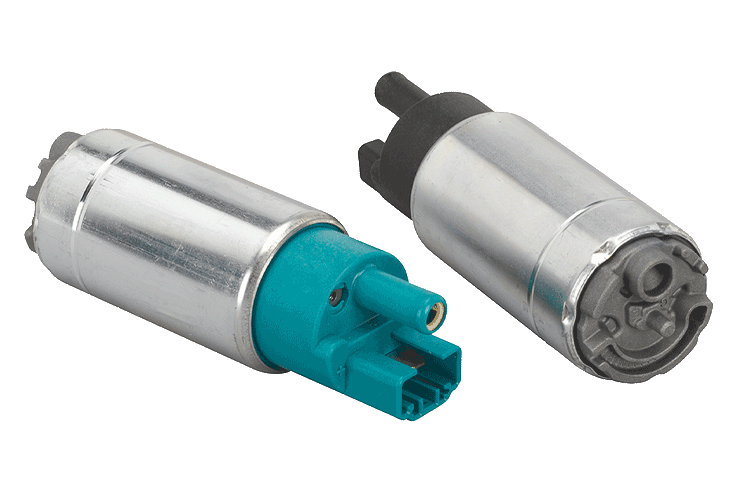
Credit: www.linquip.com
Installation And Safety
Installing a fuel pump requires care and attention. Safety matters a lot during the process. A wrong step can cause damage or injury. Understanding how to install fuel pumps safely helps protect you and your vehicle.
Using the right tools and following safety rules reduces risks. Knowing when to call a professional also saves time and money. Simple troubleshooting tips can help fix small problems quickly.
Professional Vs Diy Installation
Hiring a professional ensures the job is done right. They have the skills and tools needed. Professionals follow safety standards and avoid common mistakes. This reduces the chance of fuel leaks or engine damage.
DIY installation saves money but needs caution. You must read the manual carefully. Use proper tools and work in a well-ventilated area. Avoid sparks and open flames near the fuel pump.
Safety Precautions
Wear safety goggles and gloves during installation. Keep a fire extinguisher nearby. Disconnect the vehicle battery before starting work. Avoid smoking or using electronic devices near fuel.
Work in a clean, dry space to prevent slips. Check for fuel leaks after installation. Dispose of old fuel and parts safely to protect the environment.
Troubleshooting Tips
Check the fuel pump fuse if the pump won’t start. Listen for a humming sound when you turn the key. Inspect fuel lines for cracks or blockages. Replace clogged filters to improve fuel flow.
Test the fuel pressure with a gauge. Clean or replace faulty electrical connections. These steps solve common fuel pump problems fast.
Conclusion
Fuel pumps play a key role in vehicle performance and safety. Different types serve different engines and needs. Choosing the right pump helps your engine run smoothly. Regular maintenance keeps the pump working well. Understanding fuel pumps makes car care easier.
Keep these basics in mind for better vehicle health. Simple knowledge leads to smarter decisions on fuel pumps.