
When it comes to keeping your car spotless, the cloth you choose makes all the difference. You might think any rag will do, but using the wrong type can scratch your paint or leave streaks behind.
Imagine finishing your cleaning, only to find spots and smudges ruining your hard work. That’s frustrating, right? You’ll discover the main types of car cleaning cloths and how each one can help you get the shine and protection your car deserves.
Stick with me, and you’ll never pick the wrong cloth again.
Microfiber Cloths
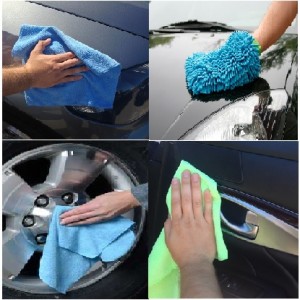
Microfiber cloths are popular tools for car cleaning. They are made of tiny fibers that trap dirt and dust well. These cloths are soft and safe for car surfaces. They help clean without scratching paint or glass. Many car owners prefer microfiber for its gentle yet effective cleaning power.
Benefits For Car Surfaces
Microfiber cloths remove dust and grime gently. They do not leave scratches on paint or glass. Their fibers pick up dirt and hold it inside. This prevents dirt from rubbing back onto the surface. Microfiber also absorbs water quickly. It helps dry cars faster without streaks. These cloths keep car surfaces looking clean and shiny.
Different Weaves And Uses
Microfiber cloths come in various weaves. Terry weave is thick and good for drying. Waffle weave holds more water and dries better. Plush weave is soft and perfect for polishing. Each weave suits different cleaning tasks. Choose a cloth based on the job to get best results.
Care And Maintenance Tips
Wash microfiber cloths separately from other fabrics. Use mild detergent without fabric softener. Avoid bleach as it damages fibers. Air dry or use low heat in dryer. Do not iron microfiber cloths. Proper care keeps them effective longer and prevents damage.
Credit: detailxperts.com
Cotton Cloths
Cotton cloths have long been a popular choice for car cleaning. They are soft, absorbent, and easy to find. Many car owners prefer cotton for wiping dust and drying surfaces. Cotton cloths come in different types, such as terry cloth or flannel, each with unique textures. These cloths work well for light cleaning jobs and polishing.
Advantages And Limitations
Cotton cloths absorb water quickly, making drying fast. They are gentle on car paint and reduce scratches. Cotton is affordable and reusable after washing. The cloths are easy to handle and comfortable to use.
On the downside, cotton can hold dirt inside the fibers. This can cause tiny scratches if not cleaned properly. Cotton cloths dry slowly compared to microfiber. They may leave lint on the car surface. Over time, cotton loses softness and effectiveness.
Best Practices For Car Cleaning
Use clean cotton cloths to avoid dirt buildup. Wash cloths after each use with mild detergent. Avoid fabric softeners, which reduce absorbency. Fold the cloth to create multiple clean surfaces. Use separate cloths for different car parts, like windows and body.
Gently wipe the car with light pressure. Avoid scrubbing hard to protect the paint. Dry the car in the shade to prevent water spots. Store cloths in a dry place to keep them fresh. Replace cotton cloths when they become worn out.
Chamois Leather
Chamois leather is a special cloth made from soft, absorbent leather. It feels smooth and gentle on car surfaces. This cloth is popular for drying cars because it soaks up water quickly without scratching the paint. Chamois leather keeps your car looking clean and shiny after washing.
Ideal Uses For Drying
Chamois leather works best for drying wet cars. It absorbs water fast, leaving no streaks or spots. Use it after rinsing your car to remove water from windows and body. It is gentle on paint and glass, so it does not cause damage. Also, chamois leather is good for drying mirrors and chrome parts.
How To Maintain Softness
Keep chamois leather soft by cleaning it properly. Rinse it with clean water after each use. Do not use soap or detergent, as they can harden the leather. Wring out water gently and let it air dry. Store it in a cool, dry place to avoid stiffness. Soft chamois leather works better and lasts longer.
Credit: www.team-bhp.com
Terry Cloth Towels
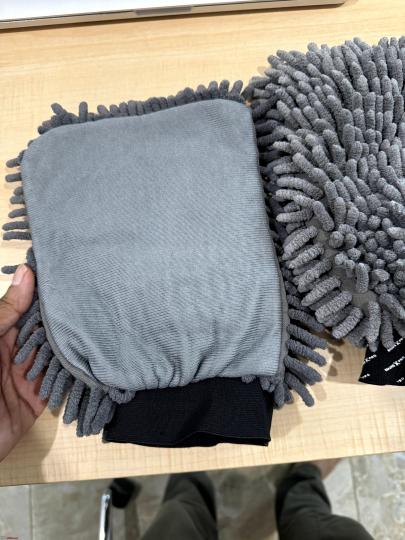
Terry cloth towels are a popular choice for car cleaning. They have many loops on the surface. These loops help trap dust and dirt easily. Terry cloth is soft but strong. It works well on many car surfaces without scratching.
Absorbency And Cleaning Power
Terry cloth towels hold a lot of water. This makes drying cars faster and easier. The loops soak up spills quickly. They also pick up dirt and grime well. The texture helps lift away particles without rubbing hard. This reduces the risk of damage to paint or glass.
When To Choose Terry Cloth
Use terry cloth towels for drying wet surfaces. They work great after washing your car. These towels also help clean mud and dust from tires. Avoid using them on very delicate parts. They may leave lint behind on some surfaces. Terry cloth is best for general cleaning and drying tasks.
Synthetic Wipes
Synthetic wipes are popular tools in car cleaning. They are made from man-made fibers like polyester and nylon. These wipes are soft, strong, and absorbent, making them a good choice for many cleaning tasks. They work well on car surfaces without causing scratches or damage. Their texture helps trap dust, dirt, and grime effectively.
Types And Applications
There are several types of synthetic wipes. Microfiber wipes are the most common. They have very fine fibers that clean deeply. Synthetic terry cloths are thicker and good for drying cars. Some wipes come pre-moistened with cleaning solutions. These are handy for quick touch-ups on the go.
Synthetic wipes clean car windows, dashboards, and paint. They remove dust, fingerprints, and light stains. They also dry wet surfaces quickly. Many car owners use them for detailing and regular maintenance.
Pros And Cons For Car Care
Synthetic wipes are gentle on car paint and glass. They absorb water well, leaving surfaces streak-free. These wipes dry fast and last through many washes. They are lightweight and easy to carry in a car kit.
On the downside, synthetic wipes can hold dirt inside fibers if not cleaned properly. Some low-quality wipes may scratch delicate surfaces. They may also lose effectiveness after many uses. Proper washing and care extend their lifespan and performance.

Credit: www.amazon.com
Specialty Cloths
Specialty cloths are designed for specific car cleaning tasks. They help achieve better results and protect your car’s surfaces. Using the right cloth makes cleaning easier and more effective.
Glass Cleaning Cloths
Glass cleaning cloths are soft and lint-free. They remove dirt, dust, and smudges without scratching the glass. These cloths leave a streak-free shine on windows and mirrors. Microfiber is a common material for these cloths. It traps dirt well and dries quickly. Use them dry or slightly damp for best results.
Polishing And Waxing Cloths
Polishing and waxing cloths are gentle on car paint. They spread wax or polish evenly without scratching. These cloths help bring out the car’s shine and protect the paint. Usually, they are made of soft microfiber or cotton. Use clean cloths to avoid rubbing dirt into the paint. Buff the surface with light pressure for a smooth finish.
Choosing The Right Cloth
Choosing the right cloth is key to effective car cleaning. Each cloth type fits a specific job. Picking the wrong one can cause damage or leave dirt behind. Understanding what cloth works best helps keep your car looking great.
Matching Cloth To Cleaning Task
Different cloths serve different purposes. Microfiber cloths are soft and absorbent. They are great for wiping dust and drying surfaces. Terry cloth towels hold more water and work well for washing. Suede cloths are gentle and ideal for delicate areas. Use the right cloth for each task to clean better and faster.
Avoiding Surface Damage
Some cloths can scratch paint or glass. Avoid rough fabrics like cotton or old towels on delicate surfaces. Microfiber is safe because it traps dirt inside its fibers. Always use a clean cloth to prevent rubbing grit into the paint. Changing cloths often helps avoid damage during cleaning.
Cleaning And Storage Tips
Proper cleaning and storage keep car cleaning cloths effective and long-lasting. Dirt and grime build-up can damage cloth fibers and scratch your car’s surface. Regular care preserves the cloth’s softness and absorbency. Follow simple steps to clean and store cloths well.
Washing Techniques
Wash cloths separately from other laundry. Use warm water for best results. Avoid fabric softeners and bleach. These chemicals reduce absorbency and damage fibers. Use a mild detergent designed for delicate fabrics. Hand wash or machine wash on a gentle cycle. Rinse cloths thoroughly to remove all soap. Never wash cloths with rough or abrasive items.
Proper Drying And Storage
Air dry cloths flat or hang them in a clean area. Avoid direct sunlight to prevent fiber damage. Do not use a dryer, as high heat can shrink or weaken cloths. Store cloths in a dry, dust-free container. Fold them neatly to avoid wrinkles and creases. Keep cloths separate from oily or dirty materials. Proper drying and storage keep cloths fresh and ready for use.
Conclusion
Choosing the right car cleaning cloth makes a big difference. Each type serves a special purpose. Microfiber works well for most surfaces. Cotton is gentle and good for light cleaning. Terry cloth absorbs water quickly. Using the correct cloth keeps your car shiny and safe.
Clean your cloths often to avoid scratches. Small steps lead to a cleaner, well-kept car. Now, you can pick the best cloth for your needs. Keep your car looking fresh with the right tools. Simple care brings great results.