
Are you planning to sell, buy, or gift a car? Understanding the different types of car ownership transfers can save you time, money, and stress.
Whether you’re handing over the keys to a family member or finalizing a sale, knowing how ownership changes legally happen is crucial. You’ll discover the main ways car ownership can be transferred and what each means for you. Keep reading to make sure your next transfer goes smoothly and without surprises.
Private Party Transfers
Private party transfers happen when a car changes hands directly between two people. This type of transfer does not involve a dealer or business. Buyers and sellers handle the paperwork themselves. Understanding the process helps avoid mistakes and delays. Each step matters for a smooth transfer.
Bill Of Sale Essentials
A bill of sale is a key document in private party transfers. It proves the vehicle changed ownership. The bill must include buyer and seller names. It should list the car’s make, model, year, and VIN. The sale price and date need to be clear. Both parties must sign the document. Keep a copy for your records.
Title Transfer Process
The title transfer shows legal ownership of the car. The seller signs the title over to the buyer. The buyer submits the signed title to the state’s motor vehicle office. This step makes the buyer the new owner. Some states require a notarized signature on the title. Check the title for liens or issues before buying.
State-specific Requirements
Each state has different rules for private party transfers. Some states need a smog or safety inspection. Others require specific forms along with the title. Fees for the transfer vary by state. Some states ask for a release of liability form from the seller. Research your state’s DMV website for exact details. Following state rules avoids fines and problems.

Credit: www.jotform.com
Dealer Transfers
Dealer transfers occur when you buy or sell a car through a licensed dealership. The dealer handles most of the transfer process. This method is often faster and simpler than private sales.
Dealers follow specific rules to complete ownership transfers. They take care of the legal and administrative steps. This helps avoid delays and errors in the transfer.
Dealer Responsibilities
Dealers must ensure the car’s title is clear. They verify the vehicle’s history and legal status. The dealer also collects necessary documents from both buyer and seller. They submit transfer forms to the motor vehicle department. Dealers guarantee the transfer complies with state laws.
Paperwork And Fees
Dealers handle all paperwork related to the transfer. This includes the title, bill of sale, and transfer application. They calculate and collect fees such as sales tax and registration charges. The dealer pays these fees to the proper authorities. This reduces stress for the buyer and seller.
Temporary Tags And Registration
Dealers often provide temporary tags after the sale. These tags allow you to drive the car legally before permanent registration. The dealer files for permanent registration on your behalf. Temporary tags usually last 30 days or less. This gives enough time to complete the full registration process.
Inheritance Transfers
Inheritance transfers happen when a car passes from a deceased owner to their heir. This process involves specific steps to legally change the car’s ownership. Understanding these steps helps heirs manage the transfer smoothly and avoid legal issues.
Legal Documentation Needed
The main documents include the death certificate and the vehicle title. The will or probate documents also play a key role. An affidavit of inheritance might be required to prove ownership rights. All paperwork must be accurate to avoid delays.
Probate Process Impact
The probate process confirms the will and distributes assets legally. It can delay the transfer of car ownership. Some states allow transfers without probate for low-value vehicles. Knowing local rules helps heirs prepare properly.
Tax Implications
Inheritance transfers may involve taxes based on the car’s value. Estate or inheritance taxes might apply depending on the state. Some transfers are exempt from taxes if the car stays within the family. Checking tax rules prevents unexpected costs.
Gift Transfers
Giving a car as a gift is a common way to transfer ownership. It often happens between family members or close friends. The process is simpler than a regular sale but still requires some paperwork. Gift transfers can save money on taxes and fees in many places.
Understanding the rules and steps helps make the transfer smooth. It also protects both the giver and receiver from future problems. Below are key points about gift affidavit use, fee exemptions, and title transfer steps.
Gift Affidavit Use
A gift affidavit is a legal form. It shows the car is a gift, not a sale. This document helps prove no money changed hands. Many states require this affidavit to avoid taxes.
The giver fills out the affidavit and signs it. The receiver keeps a copy for their records. This form must be submitted when transferring the title.
Exemptions From Fees
Gift transfers often qualify for fee exemptions. Taxes like sales tax may not apply. Some states waive transfer fees for family members. Common exempt recipients include spouses, parents, and children.
Exemptions vary by state and local laws. Checking with the motor vehicle department saves money. Always ask which fees are waived before starting the process.
Title Transfer Steps
Start by completing the gift affidavit. Both giver and receiver must sign the car title. Submit the signed title and affidavit to the motor vehicle office.
Provide proof of identity and residency. Pay any required administrative fees not covered by exemptions. Finally, the office issues a new title in the receiver’s name.
Following these steps carefully avoids delays and penalties. Keep copies of all documents for future reference.
Lienholder Transfers
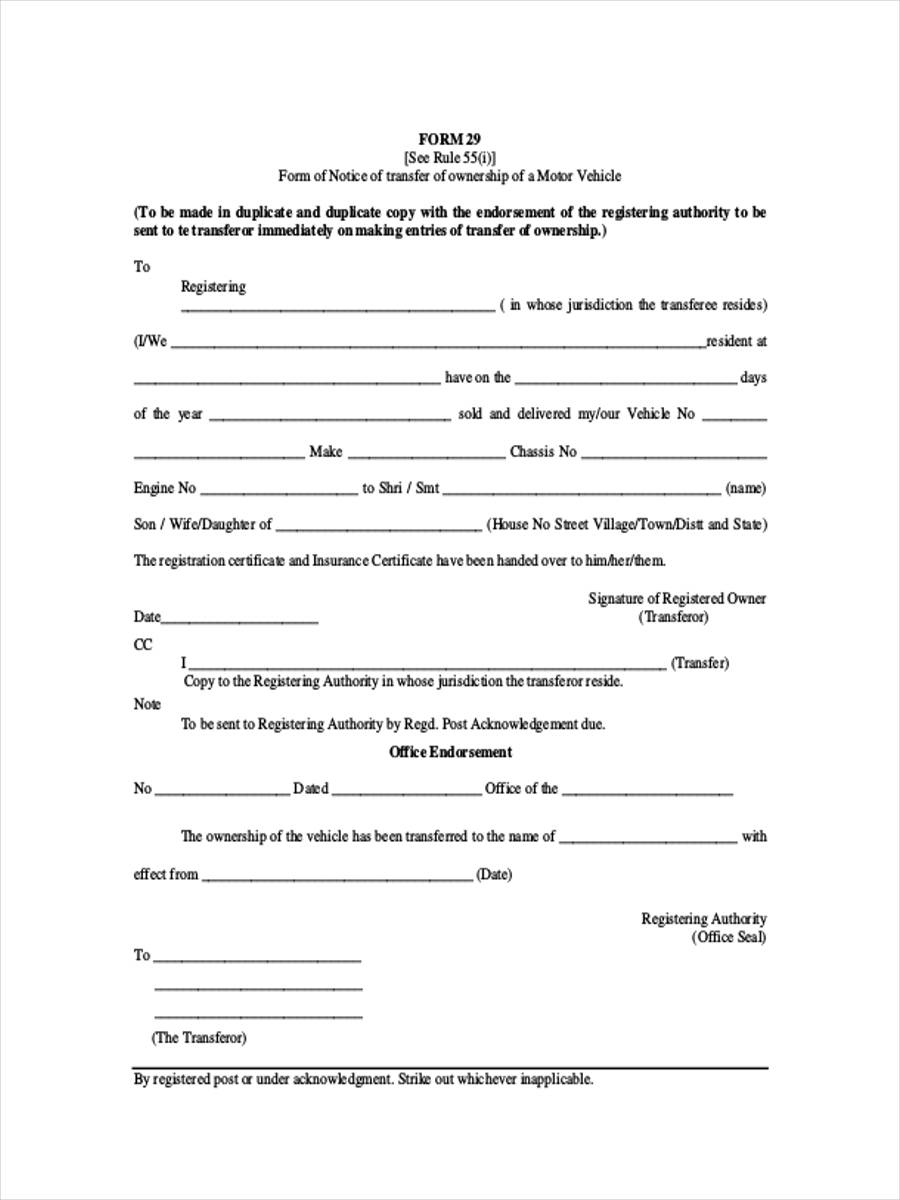
When a car has a loan, the ownership transfer involves the lienholder. The lienholder is the lender holding the loan on the vehicle. They have a legal claim on the car until the loan is paid off. This makes the transfer process different from a simple sale.
The lienholder must approve the transfer. The loan must be settled or arrangements made to move ownership. Knowing these steps helps avoid delays and legal problems during the transfer.
Paying Off The Loan
Paying off the loan clears the lien on the vehicle. Once the loan is fully paid, the lienholder releases their claim. This allows the owner to transfer the car’s title freely. Many lenders require a final payment before signing off.
Sometimes, a payoff statement is needed. This document shows the remaining balance on the loan. It helps both buyer and seller understand what must be paid. Clearing the loan is the key to smooth ownership transfer.
Lien Release Certificate
The lien release certificate proves the lien is removed. The lienholder issues this after the loan is paid in full. It is an official document needed for title transfer. Without it, the new owner cannot register the vehicle in their name.
This certificate protects the buyer. It confirms no money is owed on the car. The seller must provide the lien release to complete the sale. Always ask for this document when transferring a vehicle with a loan history.
Title Transfer Challenges
Transferring a title with a lien can be tricky. Delays happen if the lienholder does not respond quickly. Sometimes, paperwork errors cause problems in the transfer process. Both buyer and seller must be patient and follow up closely.
Another challenge is paying off the loan before transfer. The seller may need to coordinate with the lender and buyer. Clear communication helps avoid misunderstandings. Being prepared for these challenges makes the process easier.
Credit: www.sampleforms.com
Business Vehicle Transfers
Transferring vehicle ownership in a business setting involves specific rules and steps. Business vehicle transfers differ from personal ones. These transfers need careful handling to comply with corporate policies and laws.
Understanding the process helps avoid legal problems and extra costs. It also ensures smooth fleet management and proper documentation. Below are key points about business vehicle transfers.
Corporate Ownership Rules
Businesses must follow strict guidelines for vehicle ownership. The vehicle title should list the company as the owner. This helps protect company assets and limits personal liability.
Some states require additional paperwork or registration steps. Businesses often need to show proof of corporate status. This may include business licenses or tax identification numbers.
Proper record-keeping is important. It helps track assets and supports tax reporting. Corporations sometimes place vehicles under a specific department or division.
Fleet Transfer Procedures
Fleets often transfer vehicles between locations or departments. A clear process is needed to track these transfers. Usually, businesses use transfer forms or internal memos.
Each vehicle must have updated title and registration documents. The transfer should be recorded in company records. This prevents confusion and helps with maintenance scheduling.
Some businesses use software to manage fleet transfers. This speeds up the process and reduces errors. It also ensures compliance with legal requirements.
Tax And Insurance Considerations
Business vehicle transfers can affect taxes and insurance policies. Transferring ownership may change tax liabilities. Some states charge fees or taxes on vehicle transfers.
Insurance policies need updating after a transfer. The new owner, often the business entity, must be listed on the policy. This avoids coverage gaps and legal issues.
Proper handling of tax and insurance details protects the business. It also saves money by avoiding fines or penalties. Consulting with professionals is advisable for complex transfers.
Temporary Ownership Transfers
Temporary ownership transfers allow a person to use a vehicle without fully owning it. This can happen for a short time. It is useful for borrowing, lending, or using a car during a trip. These transfers do not give full ownership rights but allow legal use of the vehicle.
Power Of Attorney Use
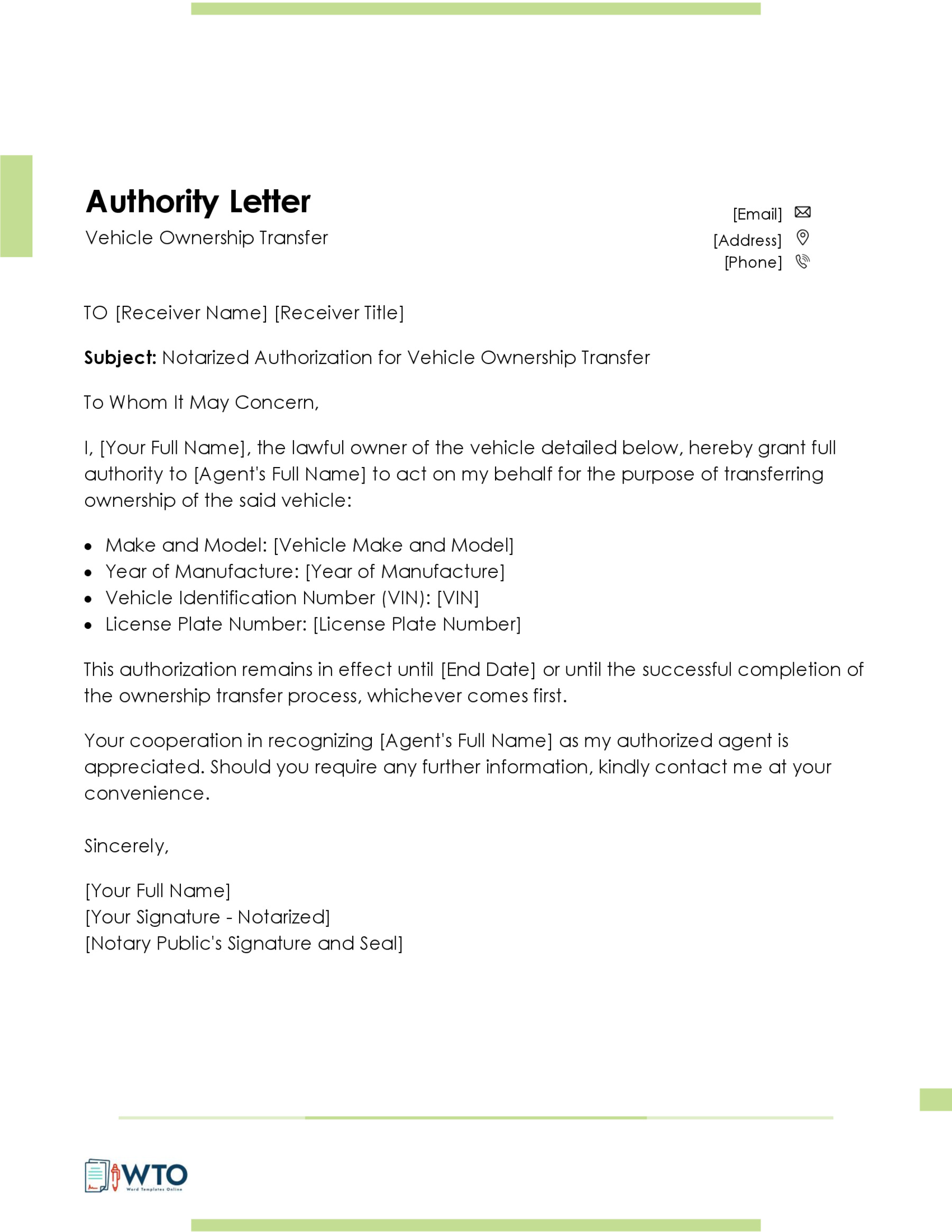
Power of attorney lets one person act for another. It allows someone to handle vehicle matters. This includes signing documents or managing registration. The owner gives limited permission for specific tasks. This method is fast and avoids full ownership transfer.
Short-term Registration Options
Short-term registration lets a car be legally driven for a few days or weeks. It suits rentals or temporary use. The owner or user must apply for this registration. It usually costs less than full registration. This keeps the vehicle legal during the temporary period.
Risks And Precautions
Temporary transfers carry some risks. The user may cause damage or get fines. The owner might face liability for accidents. Clear agreements help protect both parties. Always check insurance coverage before transfer. Keep records of all documents and permissions.
Common Transfer Mistakes
Transferring car ownership can be tricky. Many people make simple mistakes. These errors cause delays and extra costs. Knowing common transfer mistakes helps you avoid problems.
Incomplete Paperwork
Missing or wrong documents stop the transfer process. Both buyer and seller must sign all papers. The title must be clear and filled out correctly. Check every form carefully before submission. Incomplete paperwork leads to rejection at the DMV.
Missed Deadlines
Each state sets a time limit for ownership transfer. Missing this deadline brings fines or penalties. Start the process immediately after buying or selling. Keep track of all important dates. Timely action saves money and hassle.
Ignoring State Laws
Each state has unique rules for car ownership transfer. Some require inspections or emissions tests. Others need specific forms or fees. Research your state’s laws before starting. Ignoring these rules can void your transfer.
Credit: www.wordtemplatesonline.net
Conclusion
Understanding different types of car ownership transfers helps you choose the right process. Each transfer type has specific steps and requirements. Knowing these details saves time and avoids mistakes. Always check local rules before starting the transfer. Keep all documents safe and complete every step carefully.
This way, you protect your rights and the car’s history. Car ownership transfers can seem complex, but clear knowledge makes it easier. Stay informed and handle transfers with confidence.