
Have you ever wondered how self-driving cars really work? Or what kinds of autonomous vehicles are already changing the way we travel?
Understanding the different types of autonomous vehicles can help you see the future of transportation more clearly. Whether you’re curious about cars that drive themselves, delivery robots on the sidewalk, or even flying taxis, this guide will break it all down for you.
Keep reading to discover the exciting world of autonomous vehicles and find out how they might impact your daily life sooner than you think.
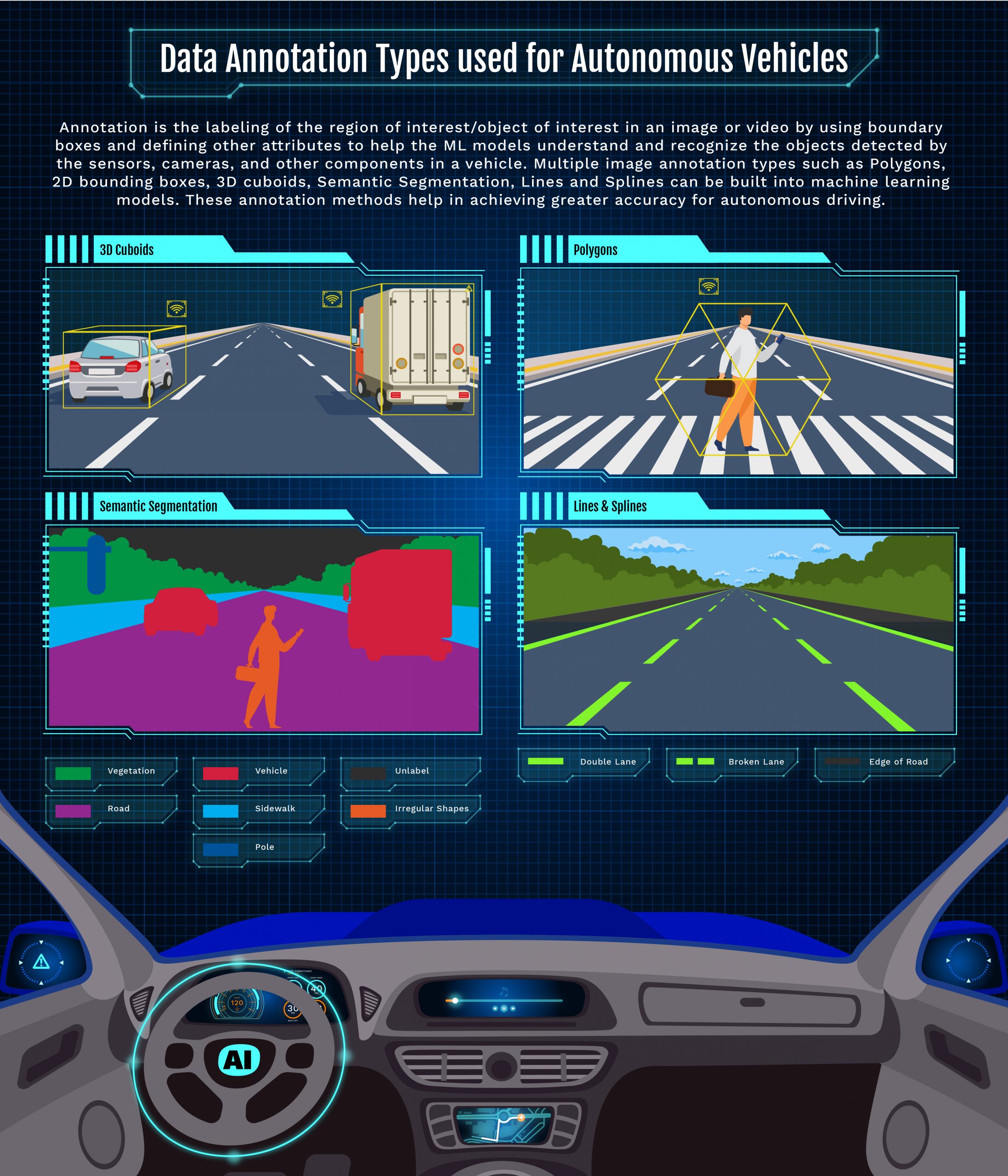
Credit: www.einfochips.com
Categories Of Autonomous Vehicles
Autonomous vehicles come in many types, each designed for different uses and levels of control. These vehicles use sensors, cameras, and software to operate without human drivers. Understanding the categories helps to see how technology is shaping transport.
Fully Autonomous Cars
Fully autonomous cars drive without any human help. They can navigate roads, avoid obstacles, and follow traffic rules alone. These cars aim to make travel safer and easier.
Semi-autonomous Cars
Semi-autonomous cars need some driver involvement. They assist with steering, braking, or acceleration. Drivers must stay alert and ready to take control at any time.
Autonomous Trucks
Autonomous trucks transport goods without a driver inside. They help reduce delivery times and cut costs. These trucks can run for long hours on highways.
Self-driving Buses
Self-driving buses carry passengers on fixed routes. They improve public transport efficiency and reduce human errors. These buses often run in cities or controlled areas.
Autonomous Drones
Autonomous drones fly without pilots. They deliver small packages or perform inspections. These drones save time and reach hard places quickly.
Robotic Delivery Vehicles
Robotic delivery vehicles move on sidewalks or roads to bring packages. They are small and designed for short distances. These vehicles help with last-mile deliveries in busy areas.
Key Technologies Behind Autonomy
Autonomous vehicles rely on many key technologies to operate safely and efficiently. These technologies help cars understand their surroundings and make smart decisions. Each piece plays a vital role in vehicle autonomy.
Sensors And Cameras
Sensors and cameras act as the vehicle’s eyes and ears. They detect nearby objects, road signs, and lane markings. Cameras capture images that help the vehicle recognize traffic lights and pedestrians. Sensors measure distance and speed of objects around the car.
Artificial Intelligence
Artificial intelligence (AI) processes data from sensors and cameras. AI interprets this data to understand the driving environment. It helps the vehicle decide how to react to road conditions and obstacles. AI enables real-time decision-making for safe driving.
Machine Learning
Machine learning teaches the vehicle to learn from experience. It improves driving skills by analyzing past data. This technology helps the vehicle adapt to new situations. Machine learning makes autonomous systems smarter over time.
Lidar And Radar Systems
Lidar uses laser beams to create detailed 3D maps of the surroundings. Radar uses radio waves to detect objects and measure their speed. Both systems work together to provide accurate distance and shape information. They help the vehicle detect obstacles in bad weather or low light.
Connectivity And V2x Communication
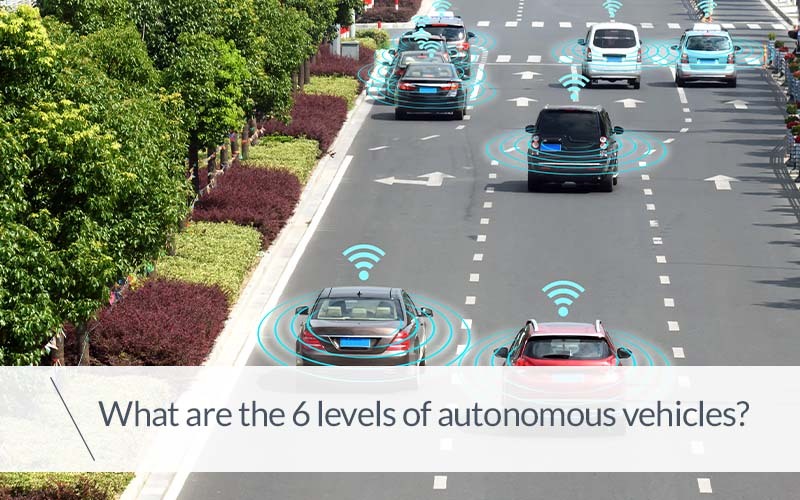
Connectivity links vehicles to each other and to road infrastructure. V2X communication shares information about traffic, hazards, and road conditions. This technology improves safety by warning vehicles of potential dangers. It also helps in coordinating smooth traffic flow.
Innovations Shaping Autonomous Vehicles
Autonomous vehicles are changing fast. New ideas and technology shape how they work. These innovations make self-driving cars safer, smarter, and more eco-friendly. They also improve the ride for passengers. Let’s explore key innovations driving this change.
Enhanced Navigation Systems
Navigation systems in autonomous vehicles use sensors and cameras. These tools help cars understand their surroundings clearly. GPS and mapping software guide vehicles on the best routes. Real-time data helps avoid traffic and roadblocks. The result is smooth and accurate driving.
Advanced Safety Features
Safety is a top priority for autonomous vehicles. Cars use radar and lidar to detect obstacles and pedestrians. Emergency braking systems react quickly to avoid accidents. Software constantly monitors vehicle performance and road conditions. These features reduce crashes and keep passengers safe.
Energy-efficient Designs
Autonomous vehicles use energy-saving technology to reduce fuel use. Electric motors replace traditional engines in many models. Lightweight materials lower the vehicle’s weight for better efficiency. Smart energy management systems optimize power consumption. These designs help protect the environment.
Integration With Smart Cities
Self-driving cars communicate with city infrastructure for smoother travel. Traffic lights and road signs send data to vehicles in real time. This connection helps cars adjust speed and avoid congestion. Integration supports better traffic flow and reduces pollution.
Passenger Experience Improvements
Autonomous vehicles focus on passenger comfort and convenience. Interiors offer more space and ergonomic seating. Voice controls and touchscreens provide easy access to features. Advanced climate control creates a pleasant environment. Passengers enjoy a relaxed and enjoyable ride.

Credit: ackodrive.com
Benefits Of Autonomous Vehicles
Autonomous vehicles offer many benefits that can change how we travel. They bring improvements to safety, traffic flow, and the environment. These vehicles also help more people get around and support the economy. Understanding these benefits shows why autonomous vehicles matter for the future.
Improved Road Safety
Self-driving cars reduce accidents caused by human error. They do not get tired or distracted. Sensors and cameras help them detect obstacles quickly. This leads to fewer crashes and safer roads for everyone.
Reduced Traffic Congestion
Autonomous vehicles can communicate with each other. They choose the best routes and keep steady speeds. This smooths traffic flow and lowers traffic jams. Less congestion means shorter travel times and less stress for drivers.
Environmental Impact
These vehicles use energy more efficiently than regular cars. They can reduce harmful emissions by driving smoothly. Some autonomous cars are electric, which helps cut pollution. Cleaner air benefits all communities.
Increased Accessibility
People who cannot drive, like the elderly or disabled, gain freedom. Autonomous vehicles provide easy and safe travel options. They open new chances for work, school, and social life. More independence improves quality of life.
Economic Advantages
Self-driving cars lower costs in many ways. They reduce accidents and insurance claims. Efficient traffic saves fuel and time for businesses. New jobs appear in technology and vehicle services. The economy grows with these changes.
Challenges And Future Prospects
Autonomous vehicles offer many promises but face big challenges. These challenges affect their growth and safety. Understanding them helps us see future directions clearly.
Regulatory Hurdles
Governments create rules for safe vehicle use. These rules vary by country and state. This slows down the deployment of autonomous cars. Clear, unified laws are still missing in many places.
Safety standards and testing requirements must improve. Regulators need to balance innovation with public safety.
Ethical Considerations
Autonomous vehicles face tough moral questions. How should a car react in emergencies? Who is responsible in an accident? These questions need answers before wide adoption.
Ethical guidelines must be developed and accepted globally. Public trust depends on solving these concerns.
Technological Limitations
Current technology cannot handle all driving scenarios perfectly. Weather, road conditions, and complex traffic confuse systems. Sensors and software need better accuracy and speed.
Battery life and data processing also limit performance. Continuous innovation is necessary to overcome these barriers.
Public Acceptance
Many people doubt the safety of driverless cars. Fear of accidents and job loss affects opinions. Trust grows slowly as more vehicles prove their reliability.
Education and positive experiences will increase acceptance. Society must adapt to new technology step by step.
Emerging Trends
New trends shape the future of autonomous vehicles. Advances in artificial intelligence improve decision-making. Vehicle-to-vehicle communication enhances safety on roads.
Shared autonomous fleets and electric vehicles are gaining popularity. These trends point toward smarter, cleaner transportation.
Credit: www.faistgroup.com
Conclusion
Autonomous vehicles come in many types, each with unique features. They change how we travel and how goods move. Some cars drive themselves fully, while others need some help. Drones and robots also use this technology for deliveries and work.
This technology keeps growing fast and affects daily life. People must learn about these vehicles to stay safe. The future of transport looks different and exciting. Understanding these types helps us prepare for what is next.