
When it comes to selling your car, understanding its resale value can make a big difference in how much money you get back. But did you know there are different types of car resale values that affect your car’s worth?
Knowing these can help you make smarter decisions and get the best deal possible. You’ll discover the key types of car resale values and how they impact your car’s price. Keep reading to unlock the secrets that could save you hundreds or even thousands of dollars when it’s time to sell.
Factors Influencing Car Resale Value
The resale value of a car depends on many key factors. These elements affect how much money you can get when selling your vehicle. Understanding these factors helps you make better choices about buying and maintaining your car.
Each factor plays a role in determining the final price. Some factors are easy to control, while others depend on market trends. Let’s explore the main influences on car resale value.
Mileage Impact
Mileage shows how much a car has been used. Lower mileage usually means less wear and tear. Cars with fewer miles often sell for higher prices. High mileage can reduce a car’s value quickly. Buyers see high mileage as a sign of potential problems.
Vehicle Condition
The car’s physical and mechanical state is very important. Well-maintained cars keep their value better. Damage like dents, scratches, or rust lowers the resale price. Regular service and clean interiors boost buyer confidence. A good condition car attracts more offers.
Brand Reputation
Some car brands are known for reliability and durability. These brands keep their value longer than others. Buyers trust popular brands and pay more for them. Less-known brands may lose value faster. Brand reputation affects how easy it is to sell your car.
Market Demand
Demand changes with trends, fuel prices, and new models. Popular car types sell faster and at better prices. SUVs and electric cars often have strong demand. Cars that are less popular may take longer to sell. Market demand influences how much buyers are willing to pay.
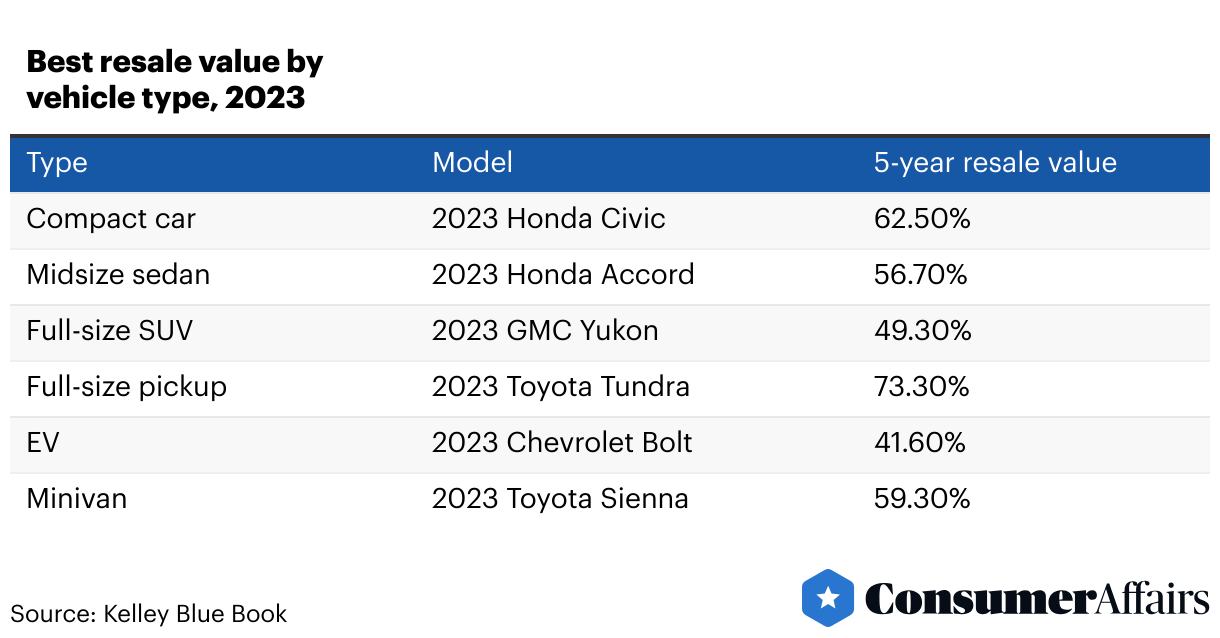
Credit: www.consumeraffairs.com
Common Types Of Car Resale Values
Car resale values come in different types. Each type shows a different price for the same car. Understanding these helps in selling or trading a car smartly. It also helps buyers know what to expect.
Here are the most common types of car resale values you should know.
Trade-in Value
Trade-in value is the amount a dealer offers for your car. It is usually lower than other values. Dealers offer this to resell the car and cover their costs. This value is quick and easy if you want a new car.
Private Party Value
Private party value is the price if you sell the car directly to another person. This value is often higher than trade-in value. It reflects what buyers pay without dealer fees. Selling privately takes more time but can bring more money.
Dealer Retail Value
Dealer retail value is the price dealers ask when selling a used car. It is higher than trade-in and private party values. This price includes dealer costs and profit. Buyers pay this when buying from a dealer.
Auction Value
Auction value is the price a car gets at a public auction. It can vary widely based on demand and condition. Sellers may get less or more than expected. Auctions are fast but less predictable than private sales.
How To Calculate Resale Value
Calculating the resale value of a car helps you understand its worth before selling. It depends on many factors like age, condition, and market demand. Knowing the resale value guides you to make smart choices and set fair prices.
Several methods exist to find a car’s resale value. Each method gives different insights and accuracy levels. Choosing the right approach depends on your needs and resources.
Using Online Tools
Online tools offer quick estimates of a car’s resale value. You enter details like make, model, year, and mileage. The tool compares similar cars and shows an average price.
These tools are free and easy to use. They provide a starting point for price expectations. Keep in mind, results can vary between websites.
Professional Appraisal
A professional appraisal gives a detailed value report. Experts check the car’s condition inside and out. They consider repairs, upgrades, and wear to adjust the price.
This method is more accurate but may cost money. Dealers and independent appraisers offer this service. Use it when you want a precise and trusted value.
Comparing Market Prices
Look at prices of similar cars currently for sale. Check local listings, dealerships, and online marketplaces. Note prices of cars with similar features and mileage.
This method shows real market trends and competition. It helps set a realistic price based on demand. Always compare many listings to get a clear picture.
Credit: www.chegg.com
Strategies To Maximize Resale Profit
Maximizing the profit from selling a car depends on smart strategies. Small efforts can increase your car’s value. These strategies help attract buyers and get better offers. Focus on maintenance, appearance, timing, and marketing. Each factor plays a key role in resale value.
Regular Maintenance
Keep your car in good shape with regular checks. Change oil and filters on time. Fix small problems before they grow. A well-maintained car runs better and looks cared for. Service records show buyers you took care of the car.
Cosmetic Upgrades
Clean the car inside and out before selling. Wash and wax the exterior to shine. Fix dents and scratches to improve looks. Replace worn floor mats and seat covers. A neat car feels newer and worth more money.
Timing The Sale
Sell your car at the right time to get a better price. Seasonal demand affects car prices. Convertibles sell better in summer. Four-wheel drives sell well in winter. Avoid selling right after buying or during low demand.
Effective Marketing
Take clear, bright photos of your car. Show all angles and details. Write an honest description with key features. Share the ad on popular websites and social media. Good marketing helps reach more buyers fast.
Impact Of Vehicle Type On Resale
The type of vehicle greatly affects its resale value. Buyers prefer certain types over others based on needs and trends. This demand shift changes the prices used cars can fetch. Understanding these differences helps sellers get better offers. Different vehicles hold value differently over time.
Sedans Vs Suvs
Sedans often have lower resale values than SUVs. SUVs offer more space and comfort, attracting families. They handle rough roads better, increasing their appeal. Sedans use less fuel but may lose value faster. SUV demand remains strong, keeping prices higher.
Electric Vs Gasoline Cars
Electric cars have rising resale values but vary by model. Battery life and technology updates affect their worth. Gasoline cars have stable resale but face future demand drops. Fuel prices influence gasoline car resale values. Electric cars attract buyers focused on eco-friendliness.
Luxury Vs Economy Models
Luxury cars lose value faster due to high maintenance costs. Economy models keep value better and attract budget buyers. Luxury buyers expect newer features and condition. Economy cars appeal to a larger market with lower prices. Resale depends on brand reputation and model popularity.
Legal And Documentation Tips
Legal and documentation details affect your car’s resale value a lot. Clear and complete papers build trust with buyers. They also help avoid problems during the sale. Keep these tips in mind to protect your sale process and get a fair price.
Maintaining Service Records
Keep all service and repair receipts. These records show the car was well cared for. A well-documented service history can increase resale value. It proves the car runs smoothly and has no hidden issues. Organize these papers by date for easy access.
Handling Title And Registration
The car title proves ownership and must be clear. Make sure the title has no liens or errors. Update the registration before selling the car. A valid registration shows the car is legal to drive. Hand over these documents promptly to the buyer.
Disclosure Requirements
Disclose any accidents or damage honestly. Hiding problems can cause legal trouble later. Some states require specific disclosures by law. Follow your local rules for full transparency. Honest disclosure builds buyer confidence and smooths the sale.

Credit: www.kbb.com
Conclusion
Understanding different types of car resale values helps you make smart choices. Some cars keep value longer because of brand or condition. Others lose value fast due to age or mileage. Knowing these facts guides you when buying or selling a car.
It saves money and avoids surprises later. Always check resale trends before deciding on a vehicle. This simple step makes a big difference in the long run. Choose wisely and stay informed to get the best deal.