
Are you feeling uncomfortable in your home or office because of the heat? Choosing the right cooling system can make a huge difference in your comfort and energy bills.
But with so many types of cooling systems available, how do you know which one suits your needs best? You’ll discover the main types of cooling systems, how they work, and which one might be perfect for your space. Keep reading to find out how you can stay cool and save money at the same time!
Air Conditioning Systems
Air conditioning systems help cool indoor spaces by removing heat and humidity. They come in different types to fit various needs and budgets. Understanding each type can help choose the right cooling system for your home or office.
Central Air Conditioners
Central air conditioners cool entire buildings through a network of ducts. They use a compressor and refrigerant to cool air. The cooled air travels through ducts and vents to every room. These systems are quiet and efficient for large spaces. Installation requires professional help and a duct system.
Window Units
Window air conditioners fit into a window frame. They cool a single room by pulling in warm air and releasing cool air. These units are easy to install and affordable. They work best for small spaces or rooms without ductwork. Window units can be noisy but offer quick cooling.
Portable Air Conditioners
Portable air conditioners are movable and do not need permanent installation. They cool one room and use a hose to vent hot air outside. These units are flexible and good for renters or temporary use. Portable ACs are less efficient than central systems but easy to set up.
Ductless Mini-splits
Ductless mini-splits cool individual rooms without ducts. They have an outdoor compressor and one or more indoor air handlers. Each indoor unit controls the temperature in its room. Mini-splits are energy-efficient and quieter than window units. They suit homes without ductwork and offer easy zoning.
Credit: hyte.com
Evaporative Cooling Systems
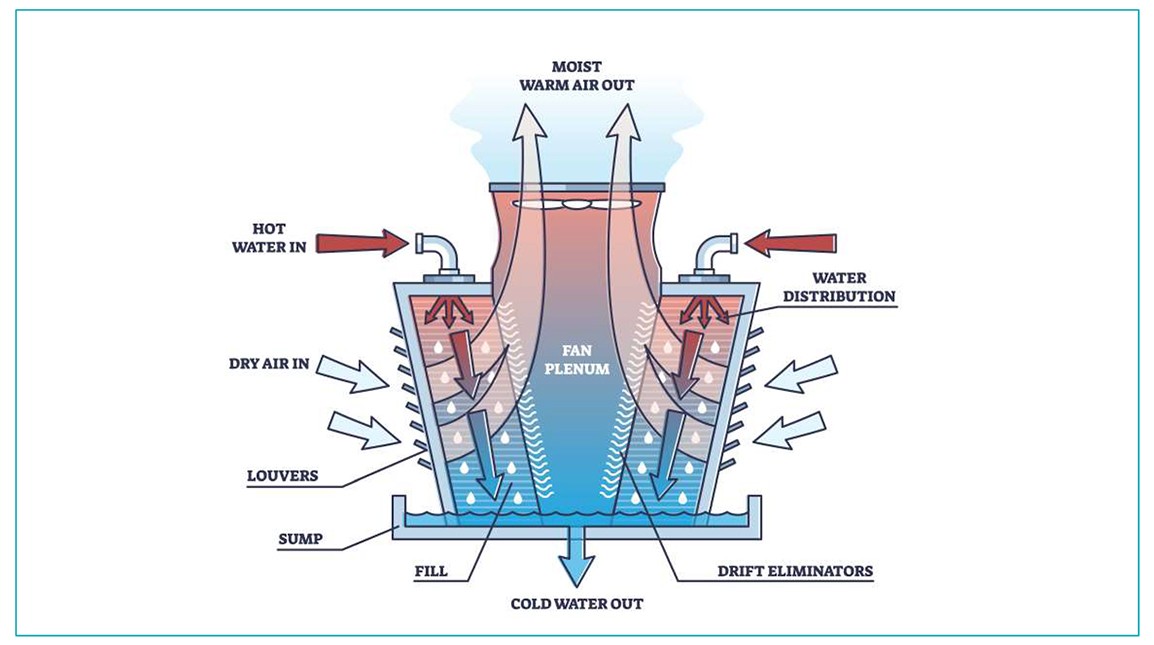
Evaporative cooling systems use water to cool the air naturally. They work by evaporating water into the air, which lowers the temperature. These systems use less energy than traditional air conditioners. They are ideal for dry and hot climates. Evaporative cooling also adds moisture to the air, making the environment more comfortable.
Swamp Coolers
Swamp coolers are a popular type of evaporative cooling system. They pull warm air through wet pads. The water evaporates and cools the air. This cooled air is then blown into the room or building. Swamp coolers are cost-effective and easy to maintain. They work best in places with low humidity. They do not use harmful chemicals, making them eco-friendly.
Misting Fans
Misting fans combine fans and water mist to cool the air. The fans blow a fine mist of water. As the water evaporates, it cools the surrounding air. These fans are portable and great for outdoor use. Misting fans help lower body temperature quickly. They use little water and energy. These fans are perfect for patios, gardens, and outdoor events.
Natural Cooling Methods
Natural cooling methods help lower indoor temperatures without using electricity. These techniques use the environment’s natural energy to keep spaces cool. They are eco-friendly and save money on energy bills. Simple ideas can make a big difference in comfort.
Ventilation Techniques
Ventilation allows fresh air to flow through buildings. It removes hot air and brings in cooler air. Cross ventilation uses windows or vents on opposite walls. This creates a breeze that cools rooms naturally. Stack ventilation lets warm air rise and escape through vents at the top. Cooler air enters from lower openings. These methods improve air quality and reduce heat inside.
Shading And Insulation
Shading blocks direct sunlight from entering buildings. Trees, awnings, and curtains can provide shade. Reflective paints on roofs and walls reduce heat absorption. Insulation keeps heat out during summer and retains warmth in winter. Proper insulation in walls, roofs, and floors helps maintain steady indoor temperatures. This reduces the need for air conditioning.
Green Roofing
Green roofs are covered with plants and soil. They absorb sunlight and cool the air through evaporation. Plants reduce heat buildup on roofs and lower indoor temperatures. Green roofs also improve air quality and reduce rainwater runoff. They create a natural barrier against heat and noise. This eco-friendly method enhances building comfort and sustainability.
Refrigeration-based Cooling
Refrigeration-based cooling systems use a cycle to remove heat from spaces or materials. They work by circulating a refrigerant that absorbs heat and releases it outside. These systems are common in homes, offices, and industries. They provide efficient and reliable cooling in many environments.
Absorption Chillers
Absorption chillers use heat instead of electricity to cool spaces. They rely on a refrigerant and an absorbent to create a cooling effect. These chillers are often powered by natural gas, steam, or hot water. They are quieter and have fewer moving parts than traditional chillers. Absorption chillers are popular in large buildings and industrial processes.
Thermoelectric Coolers
Thermoelectric coolers use electricity to create a temperature difference. They work based on the Peltier effect, where current moves heat from one side to another. These coolers are compact and have no moving parts. They are ideal for small cooling needs like electronics or portable coolers. Thermoelectric coolers offer precise temperature control and low maintenance.
Advanced And Smart Cooling
Advanced and smart cooling systems bring new ways to keep spaces comfortable. These systems use technology to save energy and improve control. They adapt to your needs and habits, making cooling more efficient and less costly.
Smart Thermostats
Smart thermostats learn your daily routines. They adjust the temperature automatically. This helps reduce energy waste. You can control them from your phone. This adds convenience and saves money on bills.
Zoned Cooling Systems
Zoned cooling divides your home into sections. Each zone has its own temperature control. You cool only the rooms you use. This prevents energy loss in empty areas. It also creates a comfortable environment everywhere.
Energy-efficient Technologies
Modern cooling systems use energy-efficient parts. These include variable speed compressors and fans. They run only as much as needed. This reduces electricity use and lowers costs. Many systems also use eco-friendly refrigerants to protect the planet.
Credit: www.ipieca.org
Choosing The Right Cooling System
Choosing the right cooling system is important for comfort and savings. Different homes and places need different cooling solutions. Understanding key factors helps make the best choice. This section covers important points to consider before buying or installing a cooling system.
Climate Considerations
The local climate affects cooling needs significantly. Hot and dry areas benefit from evaporative coolers. Humid regions often require air conditioners to remove moisture. Mild climates might only need fans or portable coolers. Choose a system that matches your area’s weather for best results.
Energy Consumption
Cooling systems use different amounts of energy. Some use more power but cool faster. Others use less energy but may take longer. Look for energy-efficient models to lower electricity bills. Check Energy Star ratings or similar certifications. Saving energy helps both the environment and your wallet.
Installation And Maintenance Costs
Initial cost varies widely among cooling systems. Some need professional installation, which adds to cost. Others are easy to install by yourself. Maintenance also differs; some systems need regular cleaning or filter changes. Consider both upfront and ongoing costs before deciding.

Credit: www.theengineeringchoice.com
Conclusion
Choosing the right cooling system depends on your space and needs. Each type offers unique benefits and costs. Consider energy use, maintenance, and comfort before deciding. Simple systems suit small areas well. Complex systems work better for large buildings. Understanding these options helps you stay cool and save money.
Keep your environment comfortable all year round. Cooling systems make life easier and more pleasant.