
Have you ever wondered how different types of terrain can change your driving experience? Whether you’re cruising down a smooth highway or navigating rocky trails, the ground beneath your wheels plays a huge role in how your vehicle performs.
Knowing the types of terrain you might encounter—and how to handle each—can keep you safe and confident behind the wheel. You’ll discover the key terrain types and get simple tips to master driving on every surface. Ready to take control of your ride?
Let’s dive in.
Common Terrain Types
Driving means facing different types of terrain. Each terrain affects how vehicles move and what skills drivers need. Knowing common terrain types helps you prepare better for any road or path ahead.
Some terrains are smooth and easy, while others are rough and tricky. Understanding these surfaces keeps you safe and improves your driving experience.
Paved Roads
Paved roads are the most common driving surfaces. They are made of asphalt or concrete. These roads offer a smooth and stable ride. Tires grip well, making control easier. They are found in cities and towns. Traffic signs and signals guide drivers here.
Gravel Paths
Gravel paths are made of loose stones. They are often found in rural areas or parks. Driving on gravel needs slower speeds. Loose stones can cause slipping or skidding. Vehicles may kick up dust, reducing visibility. Good tires help maintain traction on these paths.
Mud Tracks
Mud tracks appear after rain or near water bodies. The ground becomes soft and slippery. Vehicles can get stuck if the mud is deep. Slow and steady driving is best. Four-wheel drive helps in muddy conditions. Avoid sudden turns or stops on mud.
Sand Dunes
Sand dunes are common in deserts or beaches. Sand shifts under tires, making driving hard. Air pressure in tires is often reduced here. Vehicles need power to avoid getting stuck. Driving on sand requires careful steering and speed control.
Rocky Trails
Rocky trails have uneven surfaces with stones and boulders. They demand careful navigation and slow driving. Tires and suspension take a lot of strain. Drivers must watch for sharp rocks that can cause damage. Off-road vehicles are best suited for rocky trails.
Techniques For Each Terrain
Driving on different terrains needs specific skills. Each surface feels different under the wheels. Knowing how to handle each type helps keep control and safety. Here are simple techniques for common terrains.
Driving On Asphalt
Asphalt offers good traction and smooth driving. Keep a steady speed and avoid sudden turns. Check tire pressure often for better grip. Use brakes gently to prevent skidding. Stay alert for wet or oily patches.
Handling Loose Gravel
Gravel can cause slipping and sliding. Drive slowly to keep control. Avoid sharp turns or hard braking. Use a low gear to maintain steady power. Keep a safe distance from other vehicles.
Navigating Mud
Mud makes tires sink and slip. Use a low gear and steady speed. Avoid spinning wheels, which can dig deeper. Drive in the tire tracks if possible. If stuck, gently rock the vehicle back and forth.
Conquering Sand
Sand can trap your vehicle easily. Lower tire pressure to increase surface area. Drive smoothly without sudden stops or turns. Keep momentum going without rushing. Watch for soft patches and avoid sharp angles.
Tackling Rocks
Rocky terrain needs careful driving. Move slowly and pick a clear path. Use low gear and steady throttle control. Avoid hitting large rocks with the tires. Watch for loose stones that can shift under wheels.
Vehicle Modifications
Driving on different terrains demands specific vehicle changes. These changes help your vehicle perform better and stay safe. Adjustments improve control, comfort, and protection. They prepare your vehicle for rough roads, mud, sand, or rocks.
Tires For Different Terrains
Tires affect how your vehicle grips the ground. Mud tires have deep treads to push out dirt and mud. Sand tires are wider to float on soft surfaces. All-terrain tires work well on both roads and off-road paths. Choosing the right tire boosts traction and reduces slipping.
Suspension Adjustments
Suspension changes improve how your vehicle handles bumps and uneven ground. A stronger suspension lifts the vehicle higher. This helps avoid damage from rocks or rough terrain. Softer shocks absorb impacts, making rides smoother. Proper suspension keeps tires on the ground for better control.
Underbody Protection
Protecting the vehicle’s underbody stops damage from stones and debris. Skid plates shield important parts like the engine and fuel tank. Metal guards cover the underside to prevent dents and scratches. This protection allows safe driving over rough or rocky terrain without harm.
Recovery Gear Essentials
Getting stuck is common in tough terrain. Recovery gear helps you get free quickly. A winch pulls the vehicle out of mud or sand. Tow straps connect your vehicle to others for help. A shovel and traction mats assist in tricky situations. Carrying these tools prepares you for any challenge.

Credit: topliftpros.com
Safety Tips
Driving on different types of terrain requires special safety measures. Knowing these tips helps protect you and your passengers. Safety is the top priority on any road or trail. Follow simple steps to stay prepared and avoid dangers.
Pre-drive Vehicle Checks
Check your tires for proper pressure and good tread. Make sure brakes work well and fluids are full. Test lights and signals before leaving. Inspect the undercarriage for damage or loose parts. A well-maintained vehicle handles terrain better and keeps you safe.
Weather Considerations
Check the weather forecast before driving. Rain, snow, or fog can make terrain slippery and hard to see. Slow down and increase following distance in bad weather. Use headlights to improve visibility. Avoid driving on unstable ground during storms or heavy rain.
Emergency Preparedness
Carry an emergency kit with water, food, and a first aid kit. Have basic tools and a spare tire ready. Keep a charged phone and portable charger with you. Know your location and share your route with someone. Being ready helps you handle unexpected problems fast.
Off-road Communication
Use a two-way radio or walkie-talkie if traveling with others. Stay in contact to share updates and warnings. Agree on signals or codes before you start. Communication keeps the group safe and organized. It helps avoid getting lost or separated on rough terrain.
Popular Off-road Destinations
Off-road driving offers a thrilling way to explore nature’s raw beauty. It tests your vehicle and skills across different landscapes. Popular off-road destinations provide unique challenges and stunning views. Each type of terrain demands special care and preparation.
These destinations attract adventurers seeking excitement and new experiences. Here are some top places to drive off the beaten path.
Desert Trails
Desert trails are dry and sandy. Driving here means dealing with loose sand and heat. Many desert routes have wide open spaces and rolling dunes. The landscape is often barren but breathtaking. Vehicles need strong tires and good cooling systems. Popular deserts include the Mojave and Sahara.
Mountain Routes
Mountain routes climb steep hills and rocky paths. Drivers face sharp turns and uneven ground. These trails offer amazing views of valleys and peaks. The air can be cooler and thinner at high altitudes. Vehicles with good brakes and low gears work best. The Rockies and Alps are famous mountain driving spots.
Forest Paths
Forest paths wind through dense trees and soft soil. Mud and roots can make driving tricky here. The shade keeps temperatures lower but limits visibility. These trails often lead to streams and wildlife. Vehicles with four-wheel drive handle the rough terrain well. The Black Forest and Amazon offer great forest drives.
Coastal Drives
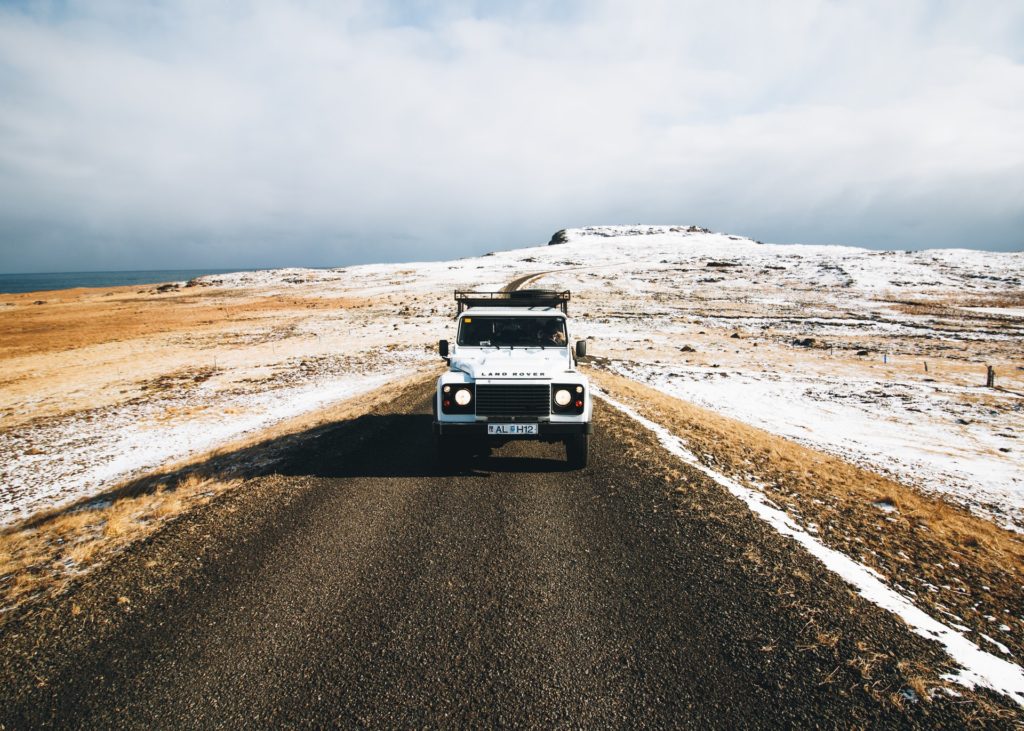
Coastal drives combine sand, rocks, and water views. The terrain can be slippery and uneven near the shore. Salt air can affect vehicles, so maintenance is key. These routes often follow beaches or cliffs. Drivers enjoy ocean breezes and wildlife sightings. The Pacific Coast and Great Ocean Road are popular coastal routes.
Credit: greenslips4earth.com.au

Credit: www.utires.com
Conclusion
Driving on different terrains needs skill and care. Each terrain has its own challenges and rules. Knowing how to handle rough, sandy, or slippery roads keeps you safe. Practice makes driving on tough surfaces easier and more confident. Always check your vehicle’s condition before heading out.
Stay alert and adjust your speed as needed. Enjoy the ride but respect the road. Understanding terrain types helps you drive smarter every time.